Vanke Jiugong Mixed-Use Development by SPARK Architects

0051_Vanke_Jiugong

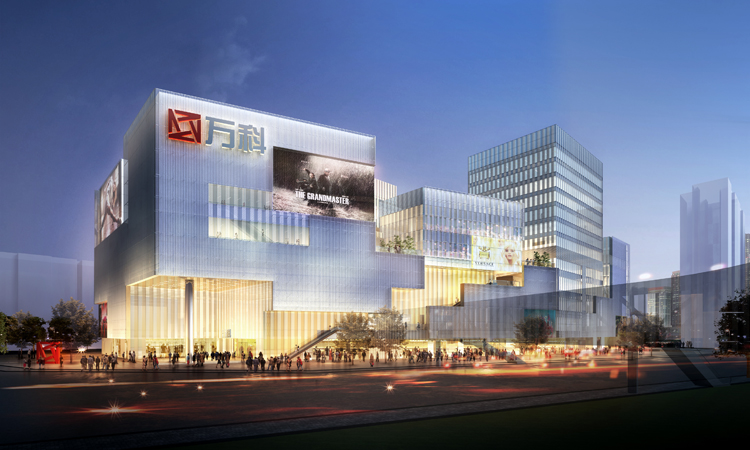
SPARK Architects have shared with us their award-winning design for a new mixed-use development in Beijing. Designed for Vanke in the city’s growing southern suburbs, the project is a mix of retail, leisure, entertainment and office programs.

Currently under construction, Vanke Jiugong is a continuation of SPARK’s investigations into the breaking up of the architectural mass of the shopping mall, and the forging of connections between ‘interiorized’ space and the city. The 127,000 sqm development will incorporate a mall, a cinema, three live-work towers, and a separate retail pavilion, with a pedestrian bridge connection to an adjacent train station. Continue reading

China In Africa: An Interview With Go West Project

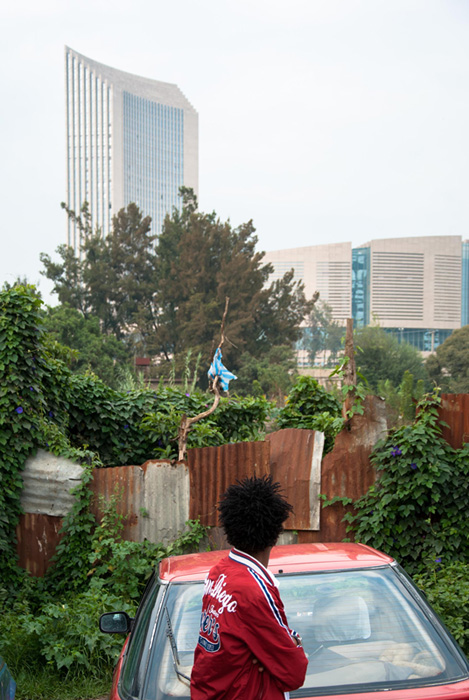
African Union Building A local looks up at the new African Union Headquarters in Addis Ababa, Ethiopia. The complex was funded entirely by Chinese money. Photo Credit: Go West Proejct

In 2009, China surpassed the U.S. to become Africa’s single largest trading partner. Yet the burgeoning relationship between China and Africa is no ordinary trading arrangement. Rather than colonizing the continent as Western powers did in the past century, China is trading infrastructure development and urbanization expertise for access to Africa’s vast natural resources. This re-balancing of trade has yet to be studied in depth as it is probably too early to tell what the impact of China’s involvement in Africa will have on the broader world’s economy.

What we can observe is the immediate impact China is having on Africa’s urban development. Luckily we have Dutch researchers Michiel Hulshof and Daan Roggeveen of the emerging cities think-tank Go West Project to explain to us what is happening on the ground.

I first met Hulshof (a journalist) and Roggeveen (an architect) at the 2011 Chengdu Biennale where they presented their research on China’s developing western metropolises (hence the name of their think-tank). Their research culminated in the book How the City Moved to Mr. Sun – China’s New Megacities (2011), which looks beyond the so-called 1st Tier cities of Beijing and Shanghai to tell the story of urbanization in the country’s heartland.

Now Hulshof and Roggeveen are looking even further, beyond China’s borders, to study what the Chinese urbanization experiment means for Africa’s cities. They were kind enough to take the time to answer some questions for us about their initial research: Continue reading

Urban Creative Culture, Air Quality and the Tragedy of Beijing

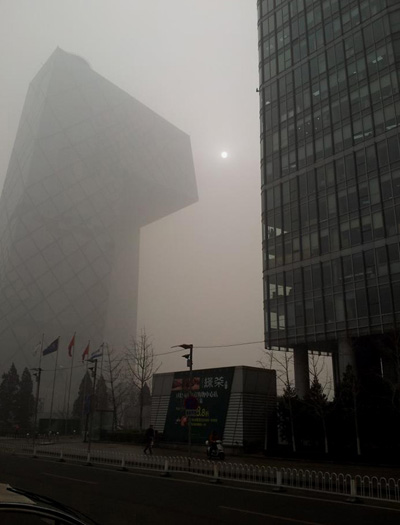
Beijing_Pollution

Like many foreign travelers and working expats who arrive to China, Beijing was my first port of entry into the country. Leaving Capital Airport I was struck by the massive scale of the city, overwhelmed by the repetitive concrete towers standing like regimented rows of soldiers in the skyline. Beijing’s urban form is undoubtedly inspired by the Soviet-era tendency towards grandiose urban planning schemes, but as I would come to learn the story on the ground painted a different, much more vibrant picture of urban life.

Beijing is not a city that one can fully appreciate in the matter of just a few days visiting the famous historical sites. In the space between gigantic attractions like The Forbidden City, Temple of Heaven, and Summer Palace, a modern grassroots culture thrives. Underground rock clubs, artist studios and independent coffee shops coexist in what’s left of old hutong neighborhoods as well as reclaimed industrial spaces on the periphery of the city center.

The notion of a burgeoning arts scene would seem to run counter to what many outside China still think of the city: that is, the seat of an oppressive Communist government devoted to quashing all personal freedoms. Although Chairman Mao’s portrait still looks ominously over Tiananmen Square, the perception of Beijing as a cultural desert couldn’t be further from the truth. Continue reading

Chinese Developers on the Defensive After Accusations of Tax Evasion

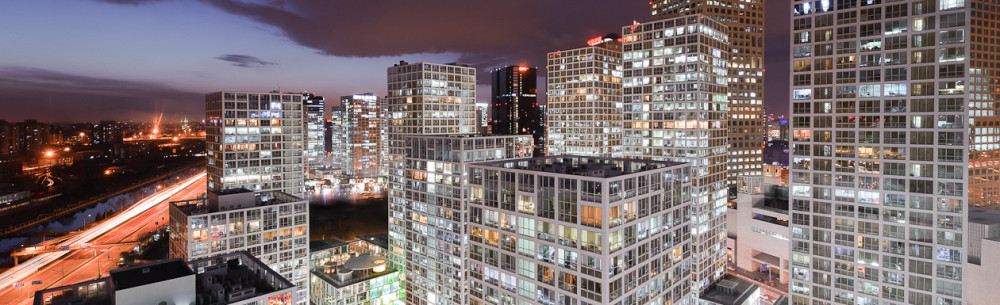
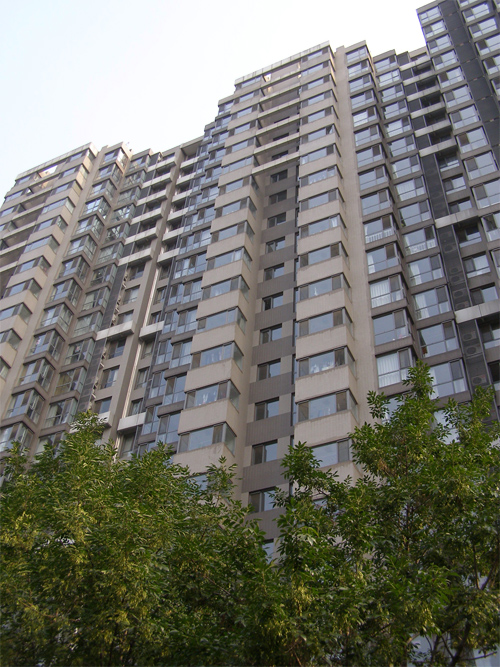
Beijing Residential Tower

As China’s state media increases its accusations of tax evasion, real estate developers are going on the defensive.

Last week, property tycoon Ren Zhiqian, Chairman of Beijing-based developer Hua Yuan Real Estate Group, posted  a message on Weibo (China’s version of Twitter) calling China state broadcaster CCTV “the dumbest pig on earth“.  This was in response to a program recently aired by CCTV accusing Vanke, another very large property developer, of owing more than 4.4 billion yuan (~$727 million USD) in unpaid taxes. The unpaid tax in question is the ‘land appreciation tax’ (LAT).

As a tax levied on the gains from the transfer of land development rights of state-owned land to real estate developers, the idea of the LAT is simple enough in theory but more complicated in practice. As explained in this South China Morning Post article from November:

“Land appreciation tax is collected by local governments, who have much leeway on deciding the actual tax rate. When a developer gets a pre-sale licence, it needs to pay a certain amount of land appreciation tax based on the asking price of the project. When the project is sold out, the exact amount of the tax will be calculated, deducting the cost of land, construction, marketing and other expenditures from the sales revenues, and multiplying the result by progressive tax rates.” Continue reading

Interview With Ole Bouman, Curator of the 2013 Shenzhen Bi-City Biennale of Urbanism/Architecture

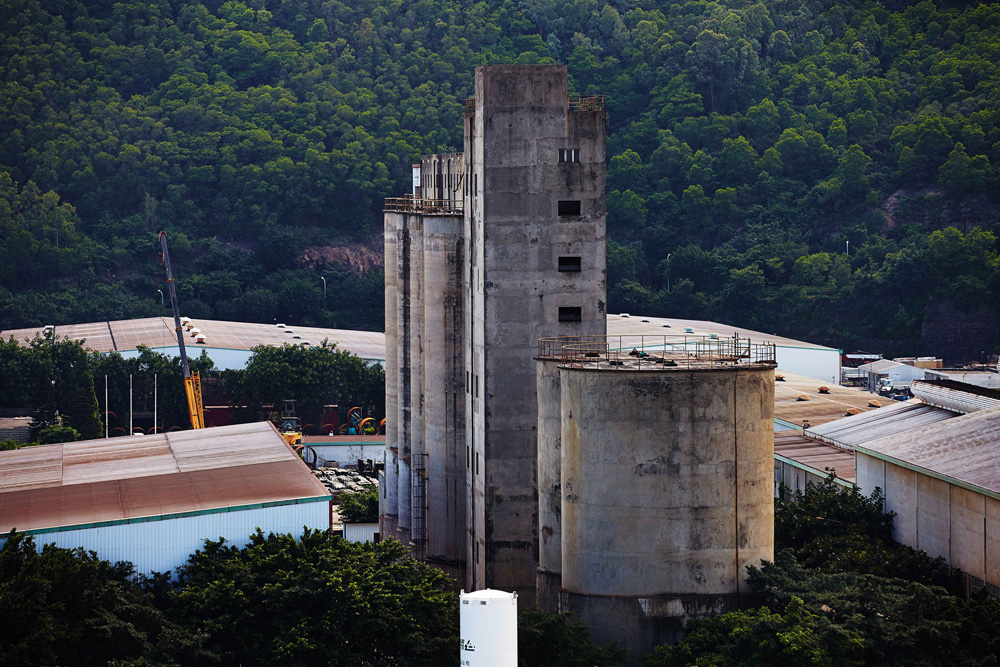
Value Factory 161The “Value Factory”: Site of the 2013 Bi-City Biennale of Urbansim/Architecture

The 2013 Bi-City Biennale of Urbanism/Architecture is now underway in Shenzhen and Hong Kong. Open until the end of February 2014, the event is the world’s only biennale exhibition based exclusively on the themes of urbanism and urbanization. Now in it’s 5th edition, the Bi-City Biennale takes place across one of the world’s most dynamic economic regions, exploring not only the dichotomy between Hong Kong and Shenzhen, but the larger issues facing urbanization in China (something this blog is always very excited about discussing).

The Creative Director for this year’s Bi-City Biennale is Dutch Curator Ole Bouman. Mr. Bouman answered a few questions about the Biennale for the CUD Blog discussing some of the relevant issues surrounding this year’s event: Continue reading