Solving Problems Across City Borders: Opportunities and Challenges to Regional Planning in China

CoverPhoto v2

Photo by Thomas Depenbusch / Photo edited by Author via CC BY


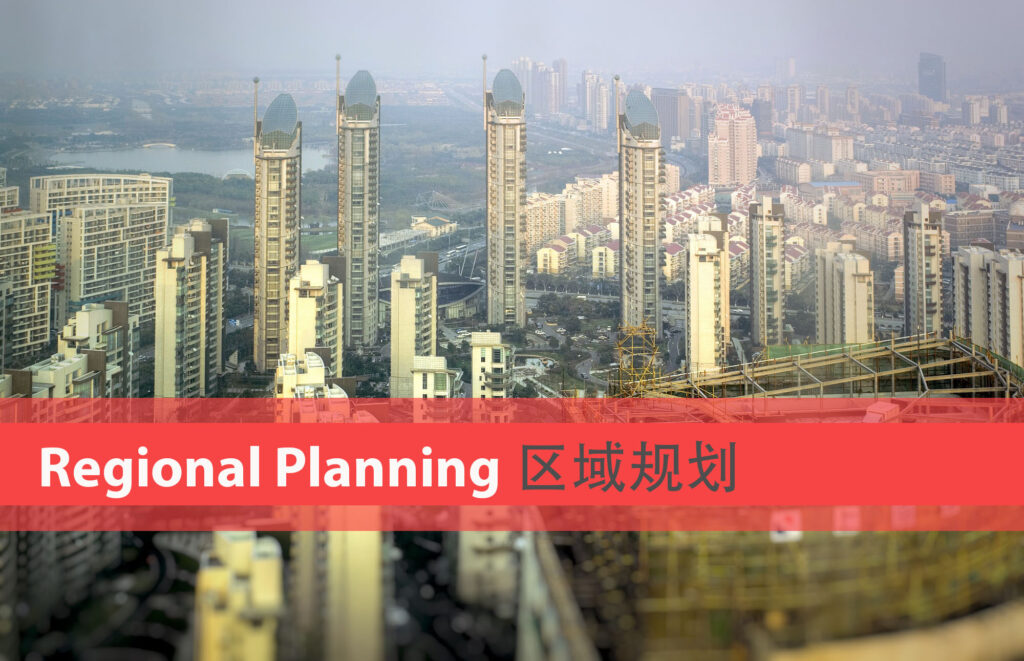
China is known for having a strong central government. In many ways, this perception is very true. Unlike countries like the United States which clearly delineate federal and local (state) powers, all governmental authority in China flows from the central government. Over the past several decades, however, the central government has gradually delegated power down to local governments. Local governments now have significant decision-making authority when developing policies.

Though decentralization has spurred economic growth, it has also brought challenges. In particular, there has been a rise in local protectionism, with local government officials focusing on growth in their own municipalities at the expense of surrounding areas.

The Chinese government increasingly needs to balance the priorities of central and local governments. Furthermore, many problems, including environmental protection, are just handled better on a regional rather than city level. As such, there has been significant growth in the rise of regional plans over the past decade. Continue reading
Are Chinese Subway Systems the New American Interstate?

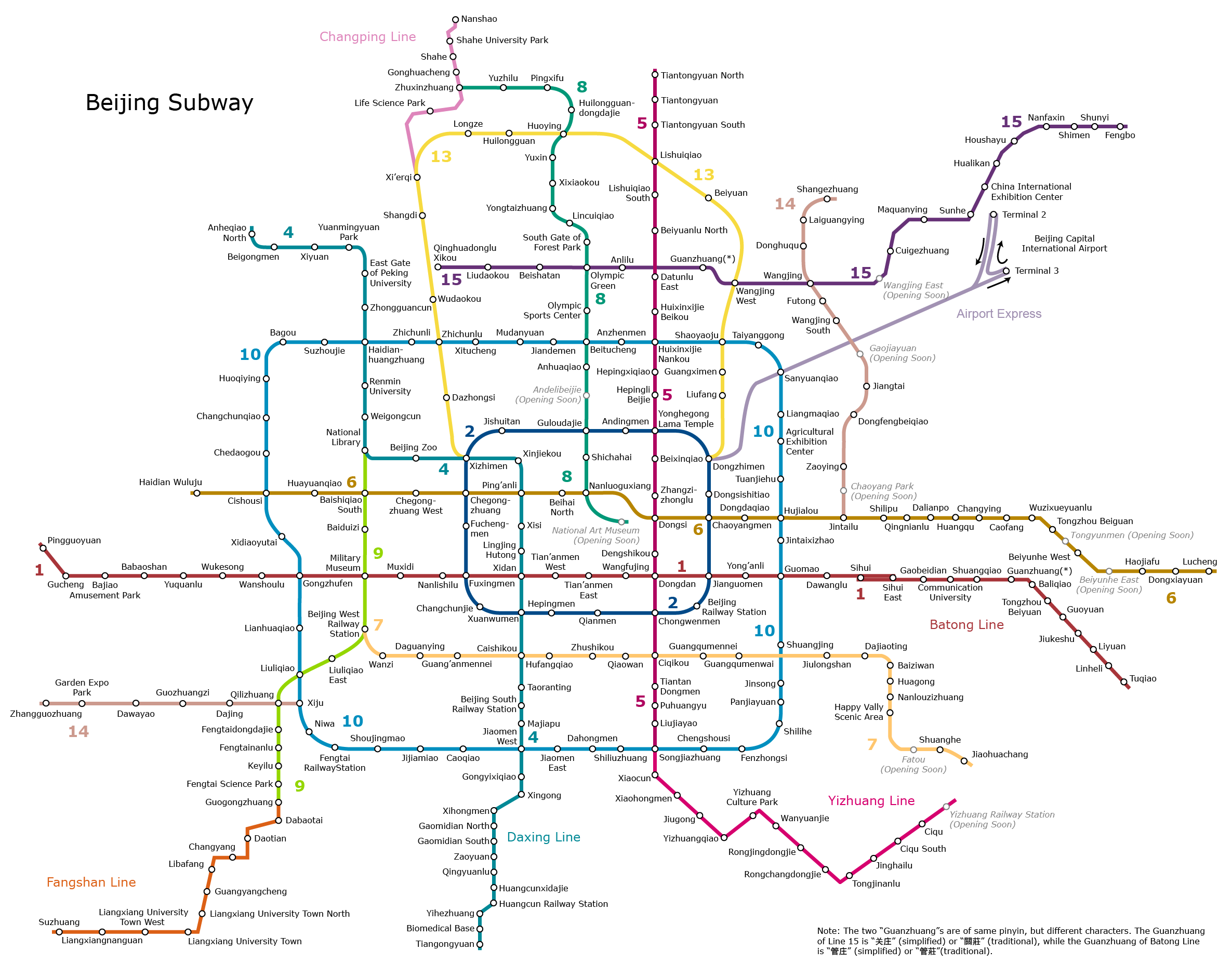
Beijing-Subway_enBeijing Subway Map

It is virtually impossible not to marvel at China’s new subway systems after spending some time in a city like Beijing or Shanghai. The relatively new subway systems allow for convenient and affordable (albeit crowded) way to travel around these cities. These infrastructure investments will certainly leave a lasting impact on Chinese cities for years to come, but what will this legacy be? Continue reading

Hong Kong Protests & The Role of the City

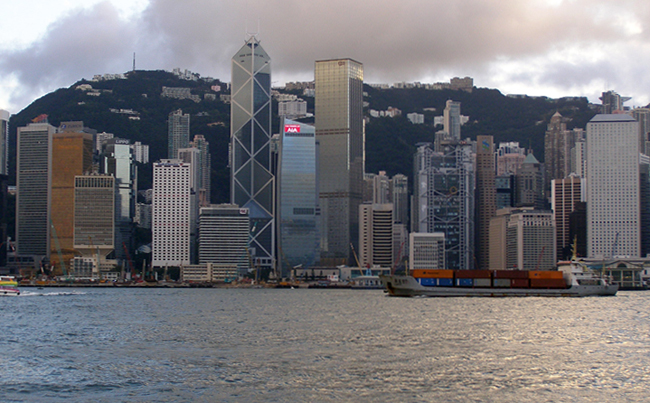
View over Victoria Harbor towards Central- the center of the pro-democracy protests

Hong Kong is an unlikely setting for massive political protests. The city, known for its open global trading culture, is a paragon of economic freedom. Yet many would argue that the economic freedom enjoyed by Hong Kong’s citizens has not kept pace with the level of political freedom.

Case in point: at the time of this writing, pro-democracy protests in Hong Kong have taken over the city; spilling over from the city’s central business district of Central into the neighborhoods of Causeway Bay and to Mong Kok across the harbor in Kowloon. Prompting this unprecedented massive protest was the Chinese Central Government’s decision last month to allow only committee-approved candidates to run for Chief Executive (Hong Kong’s highest political office) in what was supposed to be the city’s first public vote in 2017. Continue reading

China Regional Urbanization Trends: 2014 Edition

OLYMPUS DIGITAL CAMERAThe Economist Intelligence Unit (EIU) shared with us their new study on “China’s Urban Dreams 2014” – an update on the country’s urbanization program. With all the uncertainty about China’s property sector in the news recently, this in depth analysis gives some clarity to the often murky topic of Chinese development.

While Western media tends to paint China with one large brushstroke when discussing the country’s property sector, the reality is that real estate markets vary greatly from region to region. China, like the U.S., is a large, diverse country with many different cities and regions with varying strengths and weaknesses. If there is one takeaway from the EIU study, it’s that not all regions are created equally, and going forward, there are bound to be winners and losers. Continue reading

Urban Creative Culture, Air Quality and the Tragedy of Beijing

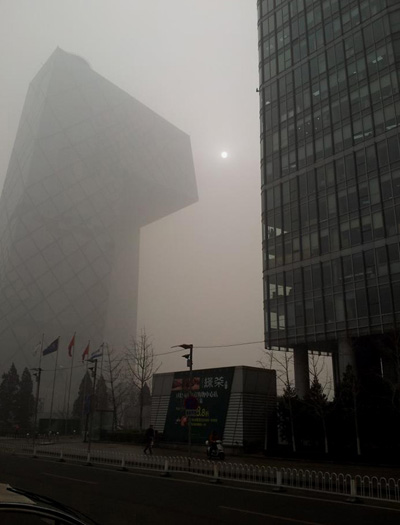
Beijing_Pollution

Like many foreign travelers and working expats who arrive to China, Beijing was my first port of entry into the country. Leaving Capital Airport I was struck by the massive scale of the city, overwhelmed by the repetitive concrete towers standing like regimented rows of soldiers in the skyline. Beijing’s urban form is undoubtedly inspired by the Soviet-era tendency towards grandiose urban planning schemes, but as I would come to learn the story on the ground painted a different, much more vibrant picture of urban life.

Beijing is not a city that one can fully appreciate in the matter of just a few days visiting the famous historical sites. In the space between gigantic attractions like The Forbidden City, Temple of Heaven, and Summer Palace, a modern grassroots culture thrives. Underground rock clubs, artist studios and independent coffee shops coexist in what’s left of old hutong neighborhoods as well as reclaimed industrial spaces on the periphery of the city center.

The notion of a burgeoning arts scene would seem to run counter to what many outside China still think of the city: that is, the seat of an oppressive Communist government devoted to quashing all personal freedoms. Although Chairman Mao’s portrait still looks ominously over Tiananmen Square, the perception of Beijing as a cultural desert couldn’t be further from the truth. Continue reading