Hong Kong Protests & The Role of the City

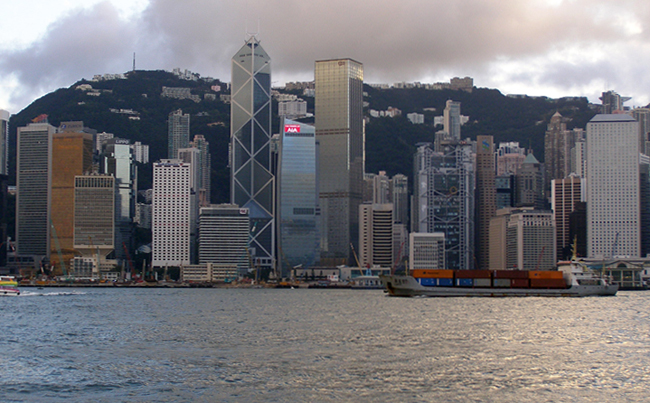
View over Victoria Harbor towards Central- the center of the pro-democracy protests

Hong Kong is an unlikely setting for massive political protests. The city, known for its open global trading culture, is a paragon of economic freedom. Yet many would argue that the economic freedom enjoyed by Hong Kong’s citizens has not kept pace with the level of political freedom.

Case in point: at the time of this writing, pro-democracy protests in Hong Kong have taken over the city; spilling over from the city’s central business district of Central into the neighborhoods of Causeway Bay and to Mong Kok across the harbor in Kowloon. Prompting this unprecedented massive protest was the Chinese Central Government’s decision last month to allow only committee-approved candidates to run for Chief Executive (Hong Kong’s highest political office) in what was supposed to be the city’s first public vote in 2017. Continue reading
Interview With Ole Bouman, Curator of the 2013 Shenzhen Bi-City Biennale of Urbanism/Architecture

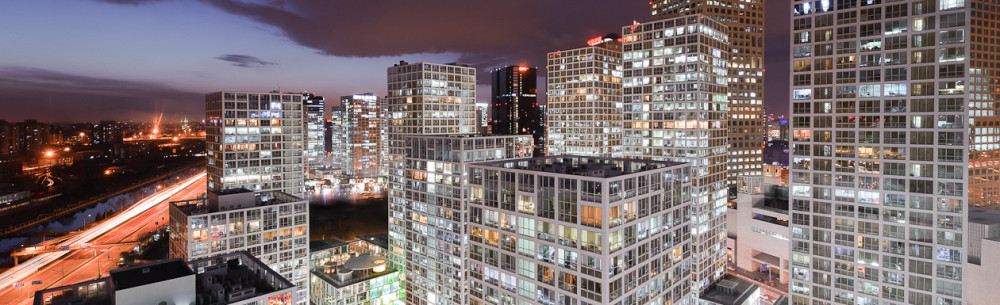
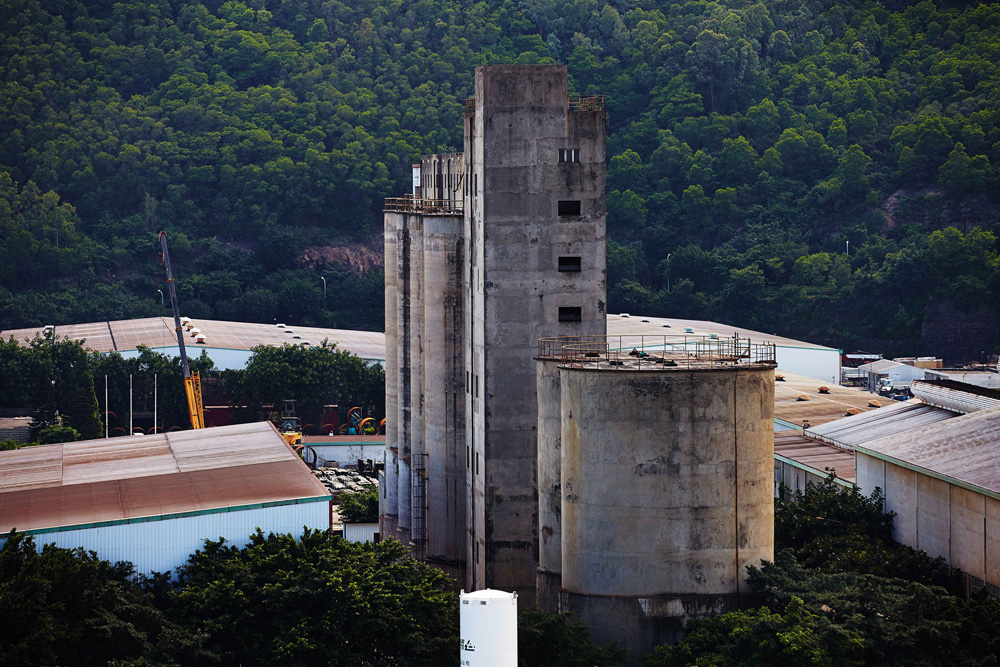
Value Factory 161The “Value Factory”: Site of the 2013 Bi-City Biennale of Urbansim/Architecture

The 2013 Bi-City Biennale of Urbanism/Architecture is now underway in Shenzhen and Hong Kong. Open until the end of February 2014, the event is the world’s only biennale exhibition based exclusively on the themes of urbanism and urbanization. Now in it’s 5th edition, the Bi-City Biennale takes place across one of the world’s most dynamic economic regions, exploring not only the dichotomy between Hong Kong and Shenzhen, but the larger issues facing urbanization in China (something this blog is always very excited about discussing).

The Creative Director for this year’s Bi-City Biennale is Dutch Curator Ole Bouman. Mr. Bouman answered a few questions about the Biennale for the CUD Blog discussing some of the relevant issues surrounding this year’s event: Continue reading

Illuminating Hong Kong’s Bank of China Tower

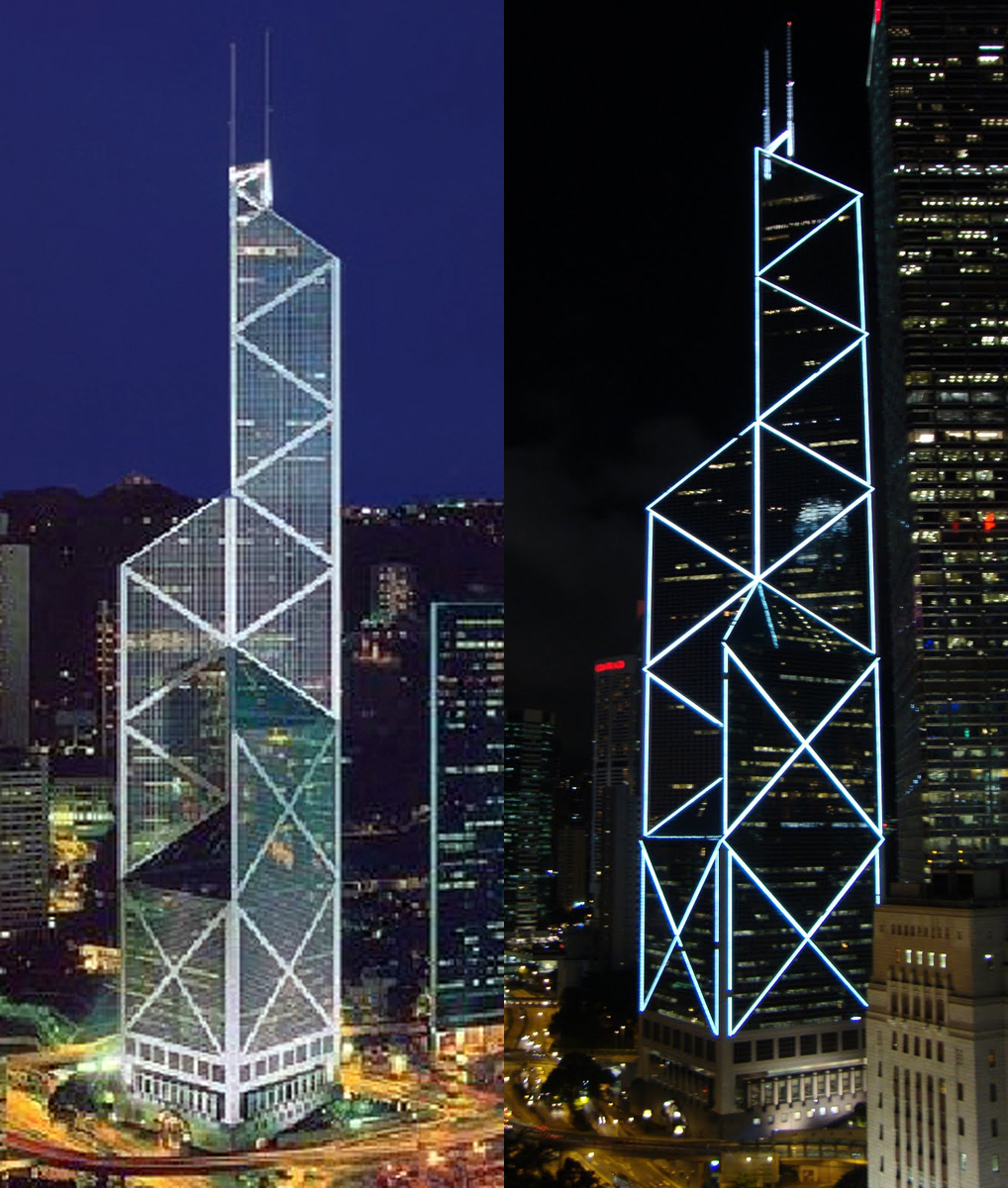
BankOfChina_LightingHong Kong’s Bank of China building with its original nighttime lighting scheme (left) compared to its current one (right)

The following post was written by John Yuan, a Chinese-American architect who worked on the design of the Bank of China building in Hong Kong during his tenure as an employee of I.M. Pei’s architectural practice:

Since first returning to visit Hong Kong around the time of the handover to China in 1997, I noticed that Bank of China Tower appeared strikingly different at night during subsequent visits over the next decade. I never imagined that the exterior lighting scheme for the tower would ever be altered from the original design done by Fisher Marantz, the lighting consultant to I.M. Pei’s office on the project.

Even from the beginning of the design process, illuminating the tower at night posed great challenges. The tower stands over 300 meters tall and has an exterior covered mostly in reflective glass- characteristics which both posed difficulties for the nighttime lighting design. Continue reading

MTR Island Line Extension Set to Change Hong Kong’s Western District

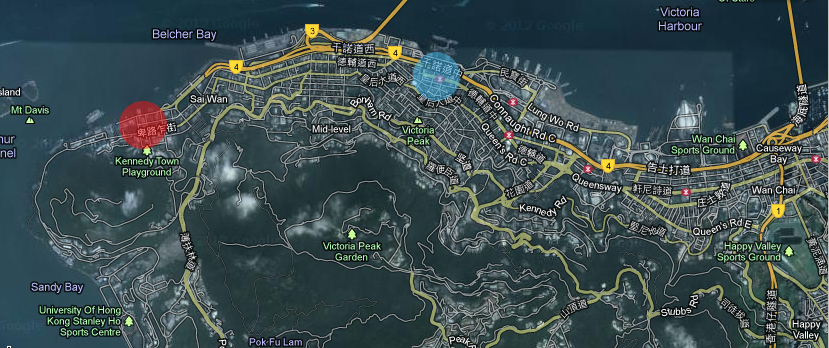
Blue Dot = Current Western Extent of MTR Hong Kong Island Line (Sheung Wan)       Red Dot = Terminus of Island Line Western Extension To Open in 2014 (Kennedy Town)

Infrastructure development continues in Hong Kong as the city’s Metro Transit Railway (MTR) extends its underground Island Line into the city’s Western District. Beginning construction in 2009, the western extension of the Island Line (dubbed the ‘West Island Line’) is set to open in 2014. The Island Line currently ends at Sheung Wan, one stop west of Central (Hong Kong’s central business district), but the extension will add three new stops, including Sai Ying Pun, Hong Kong University, and terminating at Kennedy Town. Continue reading

9/11, China and the Enduring Symbolic Power of the Skyscraper

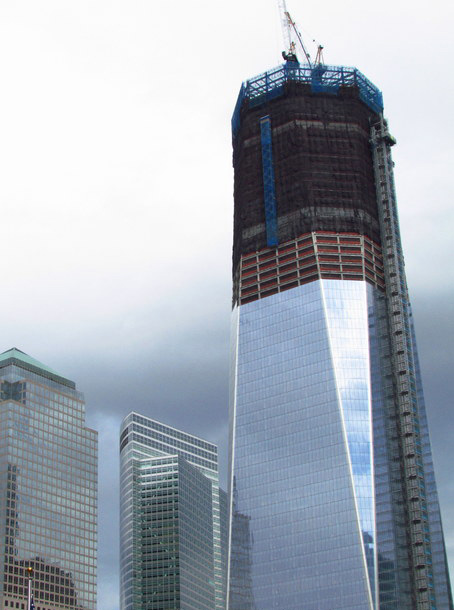
1 World Trade Center Rising in Lower Manhattan

Now that it has been about a month since the 10 year anniversary of the 9/11 attacks in the U.S., I have had some time to reflect on the enduring significance of the skyscraper. With One World Trade Center finally starting to form a new image in the Manhattan skyline, we see that in spite of protestations to building such a tower on sacred ground, construction crews move ahead to realize what will perhaps be the city’s most ambitious project in years. Some question why it has taken so long to get to this point while others still see the entire rebuilding effort as an affront to the memory of tragedy. Continue reading