Urban Fantasies in China: Architectural Visualization

The following piece appears in the new issue of the architecture journal CLOG:RENDERING

Urban Fantasies in China: Architectural Visualization

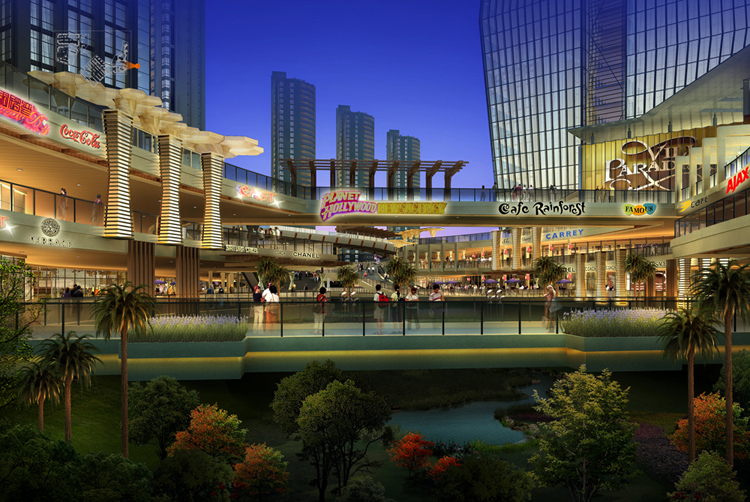
Architectural visualization specialists are the overlooked laborers involved in the vast China urban development program. They differ from architects in that they do not have design training beyond very specific knowledge of software programs such as 3D Studio Max© or the Adobe Creative Suite©. While some Chinese architecture firms employ in-house visualization specialists, most rendering work is outsourced to gigantic three-dimensional modeling studios.

Stepping into one of these studios is much like walking into a factory (one office can employ upwards of one thousand people), but instead of workers assembling widgets along conveyer belts, rows of workers hunch over their desktop computers for hours on end, producing images to be used in presentations to high-level officials or real estate marketing brochures. Just as in a factory, workers are assigned to one specific task: three-dimensional modeling, rendering (material and camera view selection) or post-production work in Adobe© Photoshop© – there is no overlap in roles. Continue reading
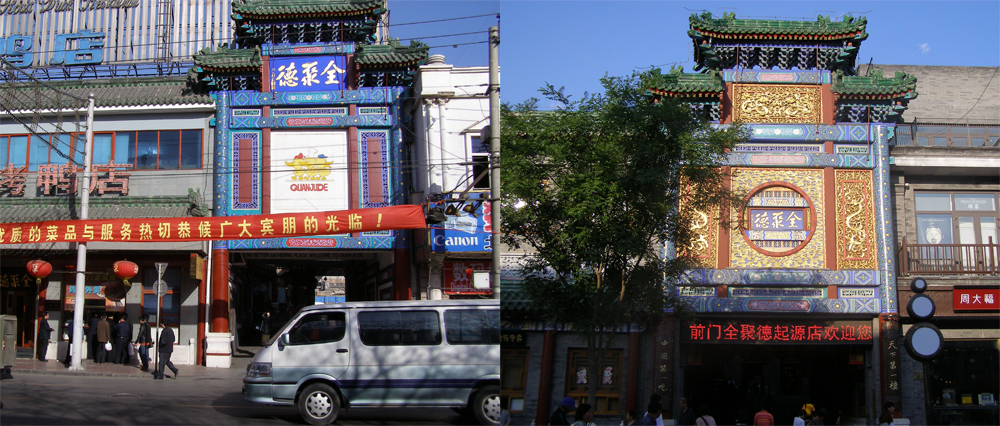
An Experience in Contrasts: Redevelopment in Beijing’s Historic Qianmen Neighborhood

Before and After Photos of ‘Quanjude’, a famous Peking Duck Establishment in Qianmen Since 1864

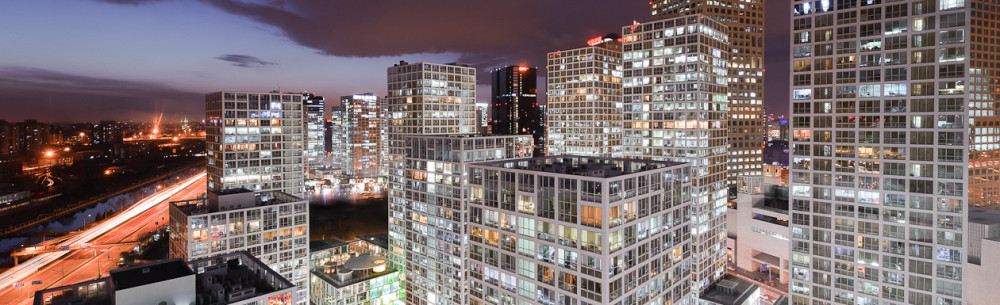
It is a familiar narrative across China’s cities: historic districts routinely razed to make way for new developments comprised of high-rise residential communities and retail mixed-use complexes designed to reflect China’s 21st Century image.

Yet in some of China’s more high-profile historic neighborhoods, redevelopment is conceived to capture the spirit what was once previously on site by rebuilding in traditional Chinese architectural styles. ‘Tourist Streets’, as these kinds of developments are referred to by developers and government officials, are a hot project type in China- nearly every city wants one. They range from accurate recreations of China’s past to cheap pastiche. Continue reading

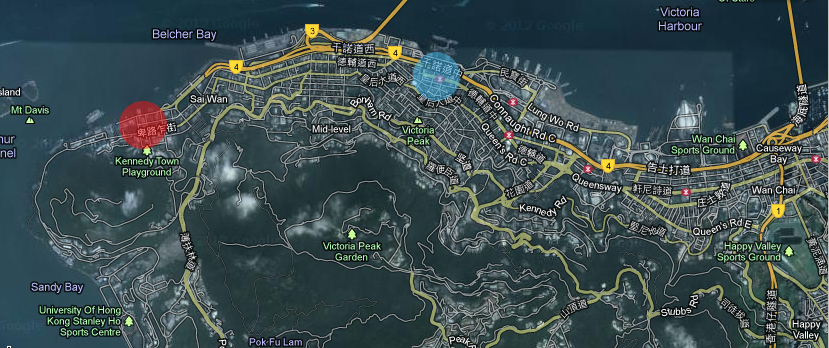
MTR Island Line Extension Set to Change Hong Kong’s Western District

Blue Dot = Current Western Extent of MTR Hong Kong Island Line (Sheung Wan)       Red Dot = Terminus of Island Line Western Extension To Open in 2014 (Kennedy Town)

Infrastructure development continues in Hong Kong as the city’s Metro Transit Railway (MTR) extends its underground Island Line into the city’s Western District. Beginning construction in 2009, the western extension of the Island Line (dubbed the ‘West Island Line’) is set to open in 2014. The Island Line currently ends at Sheung Wan, one stop west of Central (Hong Kong’s central business district), but the extension will add three new stops, including Sai Ying Pun, Hong Kong University, and terminating at Kennedy Town. Continue reading

Organic Farming in China: Chengdu’s Anlong Village

With the ongoing spate of food safety scandals, Chinese consumers are rightly weary of the source and quality of their food. Unfortunately, food quality regulatory bodies in China remain unreliable and direct access to fresh food sources is limited for an increasingly urbanized populace. This is one of the great contradictions of China’s urban development: a country which for most of its history was majority agriculturally based is on the fast track to be one of the most urbanized nations in the world.

Status conscious Chinese urbanites would rather not associate with anything related to farming, as it evokes the recent memory of rural peasant life. For many upwardly mobile city dwellers, international restaurant chains like KFC, McDonalds and Pizza Hut are considered the best options for upper-class ‘healthy’ dining (that is, food with high caloric content).

The urban growth of China is a boon to these chains as more American consumers shun them in favor of a more organic, natural diet. The shift in American consumer preferences is reflected in the success of supermarket chain Whole Foods, local farmers markets, and the growing popularity of the Slow Food movement.

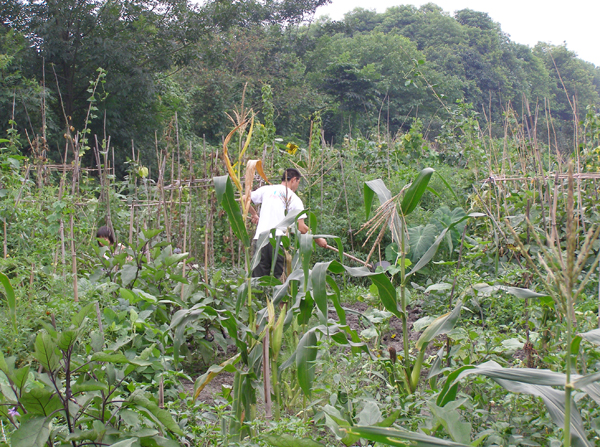
Given China’s new-found love affair with processed food and growing ambivalence about the role of agriculture, I was confident there was probably not much interest in organic farming. That was until I visited Anlong Village- a wholly organic, zero waste farm 50 km northwest of central Chengdu. With a full-time population of 3,000 residents, Anlong Village is sponsored by the Chengdu Urban Rivers Association (CURA), a local non-profit NGO. Continue reading