Tetris and the Challenge of Curbing Chinese Sprawl

Chinese SprawlWhile Chinese cities are growing at an unprecedented pace, much of this growth isn’t what most city planners would consider “smart” — that is, growth that is efficient, equitable, and environmentally sustainable. Instead, most Chinese cities are experiencing high levels of sprawl. This has led both Chinese and international pundits to focus on the issue of Chinese sprawl, with some even asking why Chinese cities haven’t learned lessons from American cities. Is sprawl a sign that Chinese leaders don’t know what they’re doing?

In theory, sprawl can be limited by good planning. In practice, sprawl is an exceedingly challenging phenomenon to stop. Though there are numerous complex reasons for the growth of Chinese sprawl, there are three systemic factors driving Chinese cities’ expansive growth: unprecedented Chinese growth, local government budget dependence on land sales, and the importance of GDP growth in the Chinese political promotion system. Continue reading
Are Chinese Subway Systems the New American Interstate?

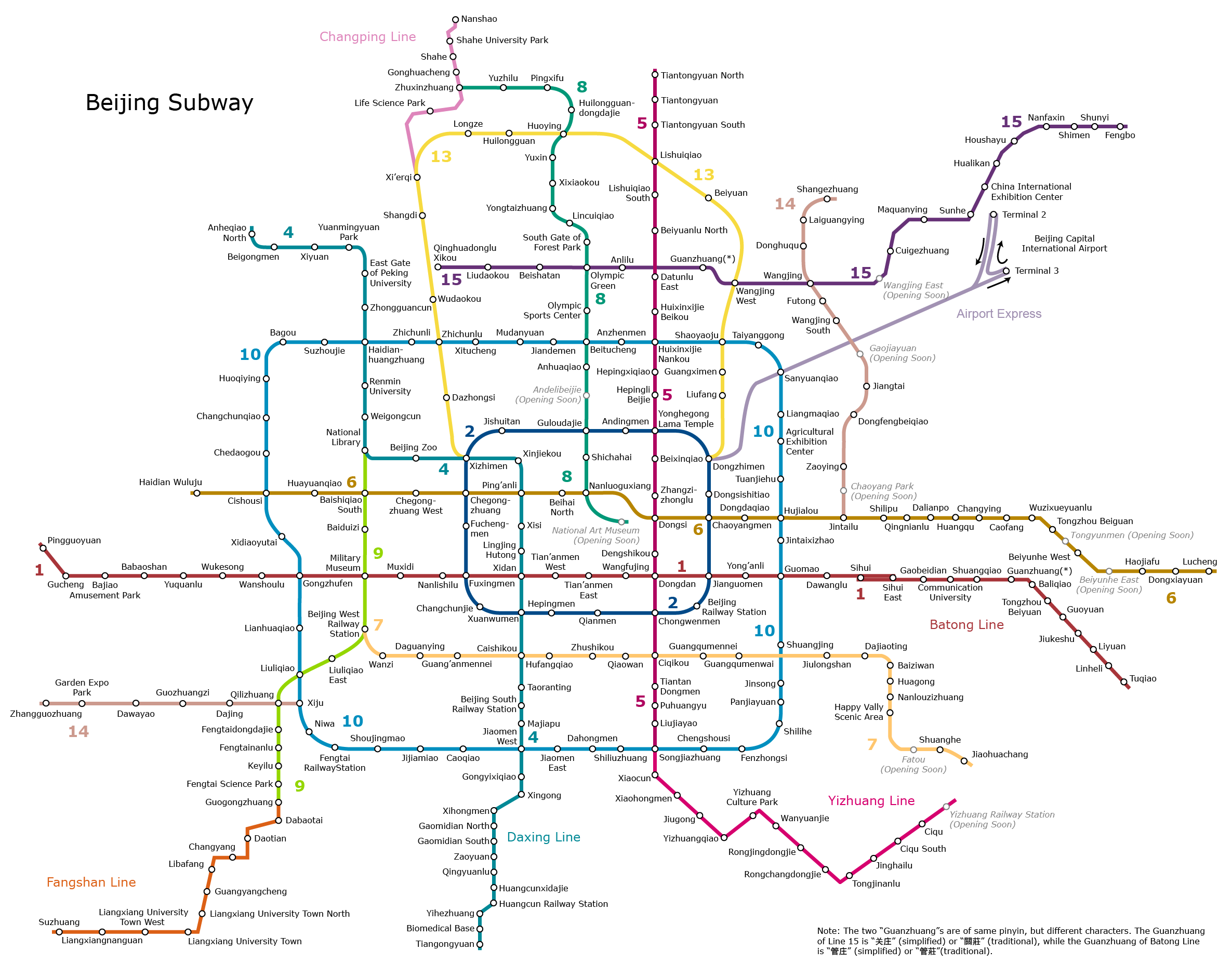
Beijing-Subway_enBeijing Subway Map

It is virtually impossible not to marvel at China’s new subway systems after spending some time in a city like Beijing or Shanghai. The relatively new subway systems allow for convenient and affordable (albeit crowded) way to travel around these cities. These infrastructure investments will certainly leave a lasting impact on Chinese cities for years to come, but what will this legacy be? Continue reading

China In Africa: An Interview With Go West Project

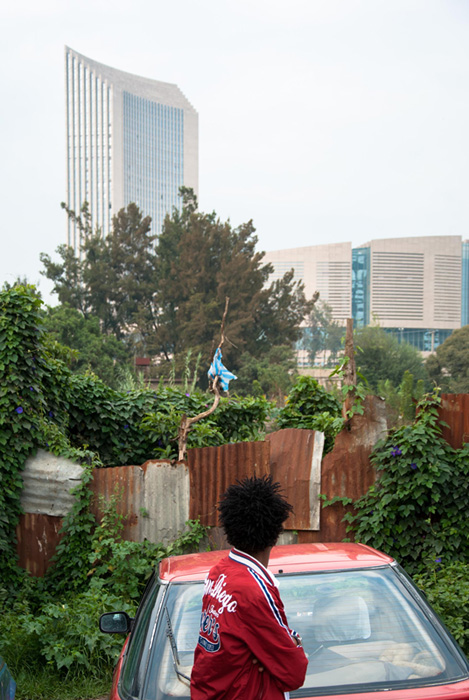
African Union Building A local looks up at the new African Union Headquarters in Addis Ababa, Ethiopia. The complex was funded entirely by Chinese money. Photo Credit: Go West Proejct

In 2009, China surpassed the U.S. to become Africa’s single largest trading partner. Yet the burgeoning relationship between China and Africa is no ordinary trading arrangement. Rather than colonizing the continent as Western powers did in the past century, China is trading infrastructure development and urbanization expertise for access to Africa’s vast natural resources. This re-balancing of trade has yet to be studied in depth as it is probably too early to tell what the impact of China’s involvement in Africa will have on the broader world’s economy.

What we can observe is the immediate impact China is having on Africa’s urban development. Luckily we have Dutch researchers Michiel Hulshof and Daan Roggeveen of the emerging cities think-tank Go West Project to explain to us what is happening on the ground.

I first met Hulshof (a journalist) and Roggeveen (an architect) at the 2011 Chengdu Biennale where they presented their research on China’s developing western metropolises (hence the name of their think-tank). Their research culminated in the book How the City Moved to Mr. Sun – China’s New Megacities (2011), which looks beyond the so-called 1st Tier cities of Beijing and Shanghai to tell the story of urbanization in the country’s heartland.

Now Hulshof and Roggeveen are looking even further, beyond China’s borders, to study what the Chinese urbanization experiment means for Africa’s cities. They were kind enough to take the time to answer some questions for us about their initial research: Continue reading

MTR Island Line Extension Set to Change Hong Kong’s Western District

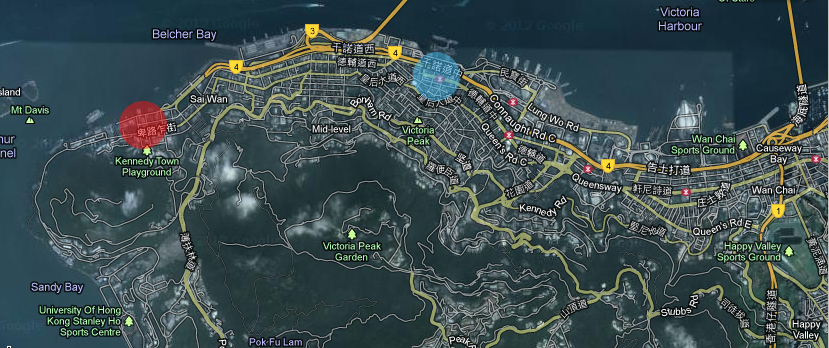
Blue Dot = Current Western Extent of MTR Hong Kong Island Line (Sheung Wan)       Red Dot = Terminus of Island Line Western Extension To Open in 2014 (Kennedy Town)

Infrastructure development continues in Hong Kong as the city’s Metro Transit Railway (MTR) extends its underground Island Line into the city’s Western District. Beginning construction in 2009, the western extension of the Island Line (dubbed the ‘West Island Line’) is set to open in 2014. The Island Line currently ends at Sheung Wan, one stop west of Central (Hong Kong’s central business district), but the extension will add three new stops, including Sai Ying Pun, Hong Kong University, and terminating at Kennedy Town. Continue reading

Guangzhou’s New Central Business District: Zhujiang New Town

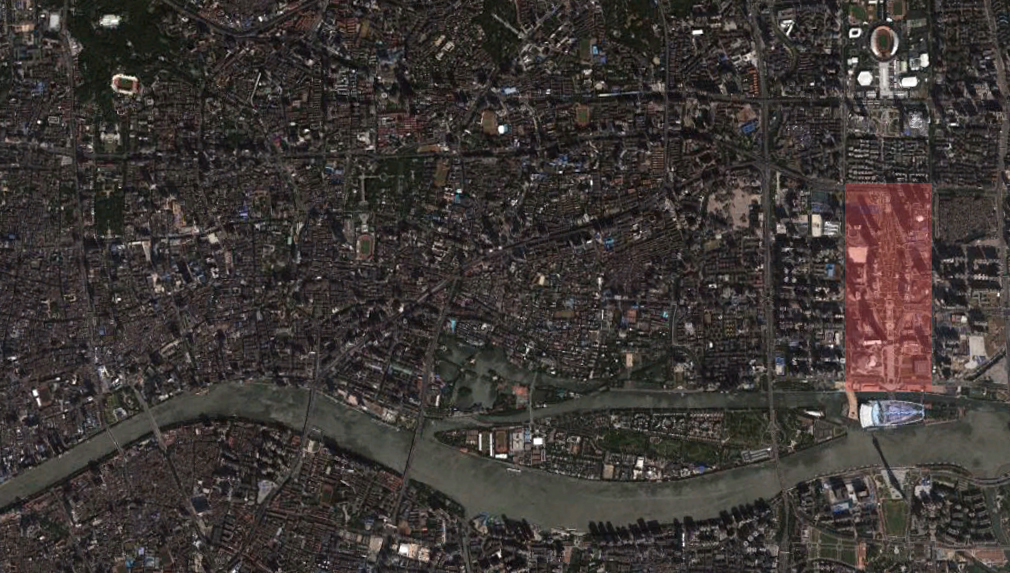
Guangzhou’s New CBD (highlighted in red) sits north of the Pearl River and east of the Old City in what not long ago was agricultural land

Recently I visited Zhujiang New Town, Guangzhou’s newly built central business district (CBD). While Guangzhou itself is hardly a new city (its status as an international trading port goes back centuries), the CBD is brand new, built on what used to be agricultural land well outside of the historic city core. Though thanks to the city’s expanding underground metro and freeway system, Zhujiang New Town doesn’t seem so far away.

Currently Zhujiang New Town is best known as the site for the Guangzhou Opera House and many of the athletic venues for the 2010 Asian Games. One unique aspect about Guangzhou’s CBD compared with others around China is its marriage of cultural buildings with commercial office towers. In this regard, Zhujiang New Town is not much different from the planned ‘downtowns’ of sprawling 20th Century American cities like Los Angeles, Phoenix and Houston. Continue reading