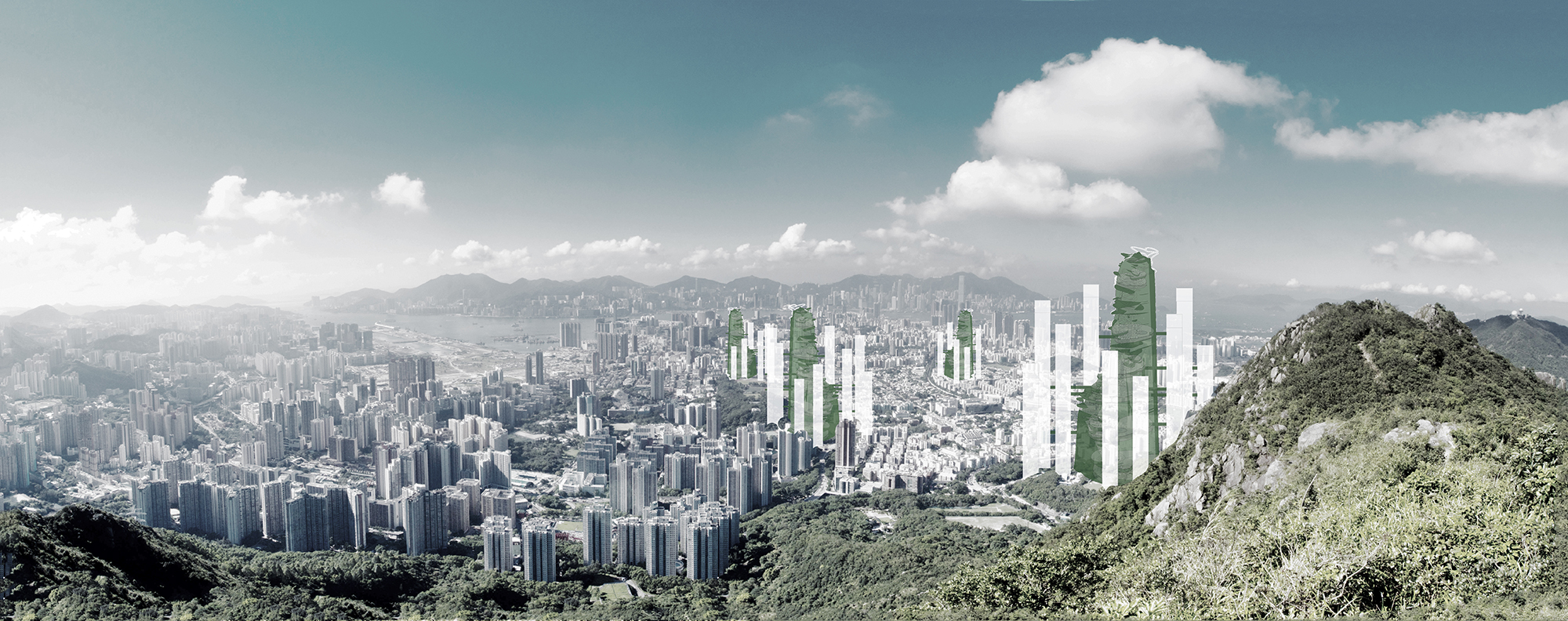
SUPERDENSITY: An Interview with HASSELL Principal David Tickle

OLYMPUS DIGITAL CAMERAImage courtesy of HASSELL

On my Twitter feed I recently came across a post about a new urban development concept called “SuperDensity” crafted by the international design practice HASSELL. Introduced by HASSELL Principal David Tickle at the 2016 Council for Tall Buildings and Urban Habitat International Conference in China this past October, SuperDensity is described as a “three-dimensional systems of open space, transport and resource utilization, inspired by the systems of the existing city”.

Having not attended the CTBUH talk and only seen a few provocative renderings of lush towers rising out of the Hong Kong skyline, I wanted to learn more about this proposal. David was a nice enough to answer a few questions for us and elaborate on the ideas that led to SuperDensity. Continue reading
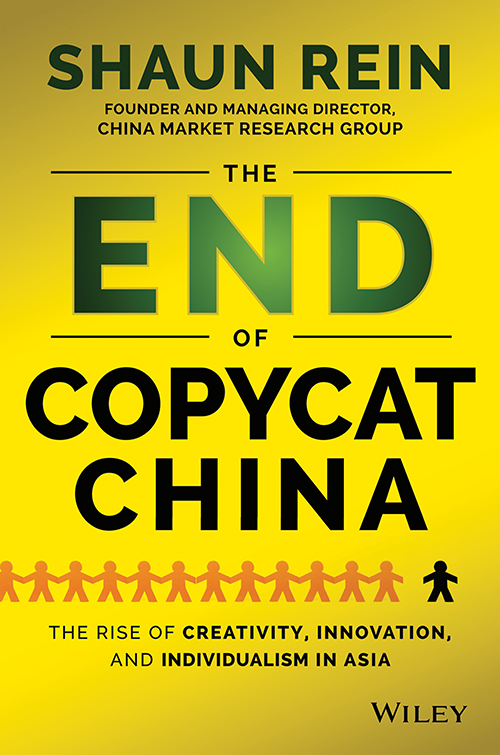
5 Questions for Shaun Rein, Author of “The End of Copycat China”

EndofCopycat China

More can happen in two years in a developing country like China than can happen in a decade or more in developed countries. And given this high speed of change, the information in business books about China’s economy can go out of date really fast.

That is why it is not surprising that although it has only been a little over two years since China analyst Shaun Rein released his first book, The End of Cheap China, he is back with another one. In that time span, China got a new leader in Xi Jinping, the one-child policy was significantly reformed, and Alibaba, the country’s biggest internet company, went public on the New York Stock Exchange.

The End of Copycat China is a natural follow up to End of Cheap China (which we featured a review of on this blog not long ago) and looks to build upon the research he’s been doing for the past decade on the ground in China.

I recently had a chance to chat with Rein about his new book and ask some questions about what he’s seen change in the past two years and, more importantly, the trends he sees influencing China’s development in the near future. Continue reading

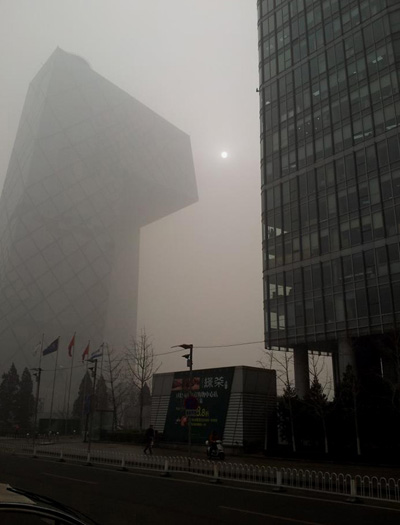
Urban Creative Culture, Air Quality and the Tragedy of Beijing

Beijing_Pollution

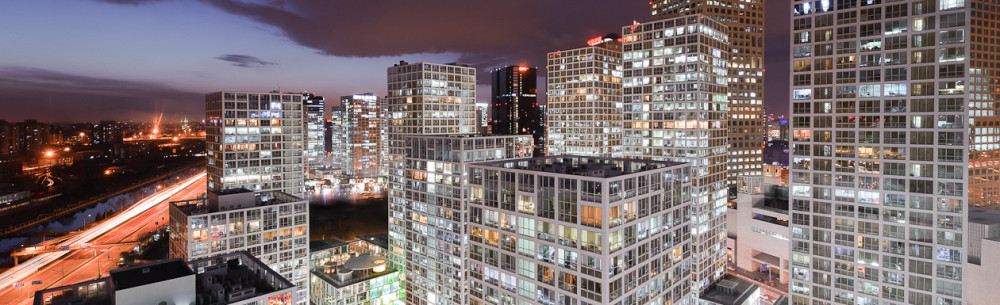
Like many foreign travelers and working expats who arrive to China, Beijing was my first port of entry into the country. Leaving Capital Airport I was struck by the massive scale of the city, overwhelmed by the repetitive concrete towers standing like regimented rows of soldiers in the skyline. Beijing’s urban form is undoubtedly inspired by the Soviet-era tendency towards grandiose urban planning schemes, but as I would come to learn the story on the ground painted a different, much more vibrant picture of urban life.

Beijing is not a city that one can fully appreciate in the matter of just a few days visiting the famous historical sites. In the space between gigantic attractions like The Forbidden City, Temple of Heaven, and Summer Palace, a modern grassroots culture thrives. Underground rock clubs, artist studios and independent coffee shops coexist in what’s left of old hutong neighborhoods as well as reclaimed industrial spaces on the periphery of the city center.

The notion of a burgeoning arts scene would seem to run counter to what many outside China still think of the city: that is, the seat of an oppressive Communist government devoted to quashing all personal freedoms. Although Chairman Mao’s portrait still looks ominously over Tiananmen Square, the perception of Beijing as a cultural desert couldn’t be further from the truth. Continue reading

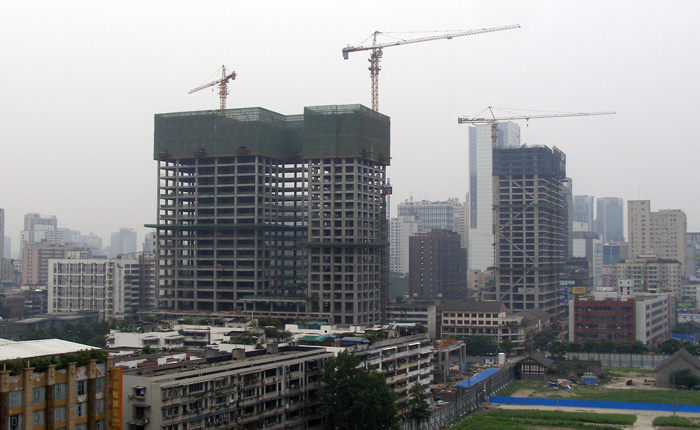
The State of Seismic Safety in China

OLYMPUS DIGITAL CAMERA

The 7.0-earthquake in Ya’an, Sichuan Province this past April once again brought up the topic of construction quality in China. Images of crumbled buildings also reminded the world of the devastation that overcame the very same region 5 years ago when more than 70,000 people perished in the 2008 Wenchuan Earthquake.

Amazingly, the loss of life in the Ya’an quake was markedly smaller at only 200 (granted, so was the severity of the quake, but 7.0 is magnitude still a very significant tremor). Ideally, the goal of seismic building safety is to minimize casualties, thus April’s earthquake proved that China is stepping it up in the right direction.

I have a unique perspective on the issue having spent 2 years living and working in Chengdu, the capital of Sichuan. And given my position working on the inside of China’s construction boom, industry colleagues and acquaintances outside China frequently inquired about the country’s building safety standards. Continue reading

Urban Fantasies in China: Architectural Visualization

The following piece appears in the new issue of the architecture journal CLOG:RENDERING

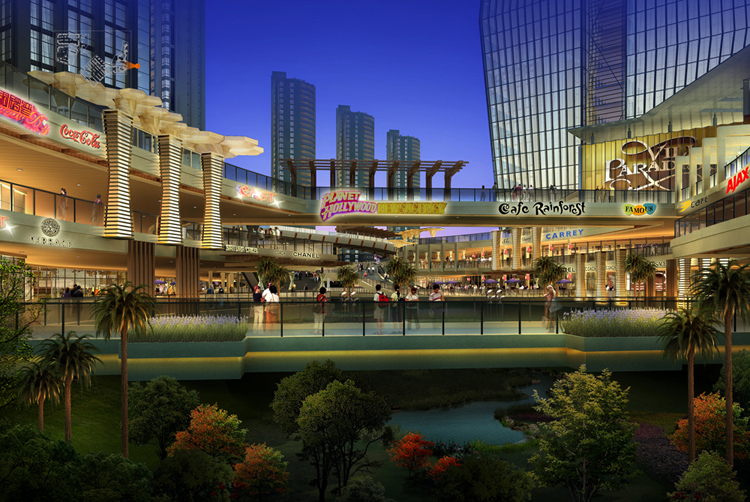
Urban Fantasies in China: Architectural Visualization

Architectural visualization specialists are the overlooked laborers involved in the vast China urban development program. They differ from architects in that they do not have design training beyond very specific knowledge of software programs such as 3D Studio Max© or the Adobe Creative Suite©. While some Chinese architecture firms employ in-house visualization specialists, most rendering work is outsourced to gigantic three-dimensional modeling studios.

Stepping into one of these studios is much like walking into a factory (one office can employ upwards of one thousand people), but instead of workers assembling widgets along conveyer belts, rows of workers hunch over their desktop computers for hours on end, producing images to be used in presentations to high-level officials or real estate marketing brochures. Just as in a factory, workers are assigned to one specific task: three-dimensional modeling, rendering (material and camera view selection) or post-production work in Adobe© Photoshop© – there is no overlap in roles. Continue reading