Interview with Bianca Bosker, Author of New Book “Original Copies: Architectural Mimicry in Contemporary China”

BBoskerBook

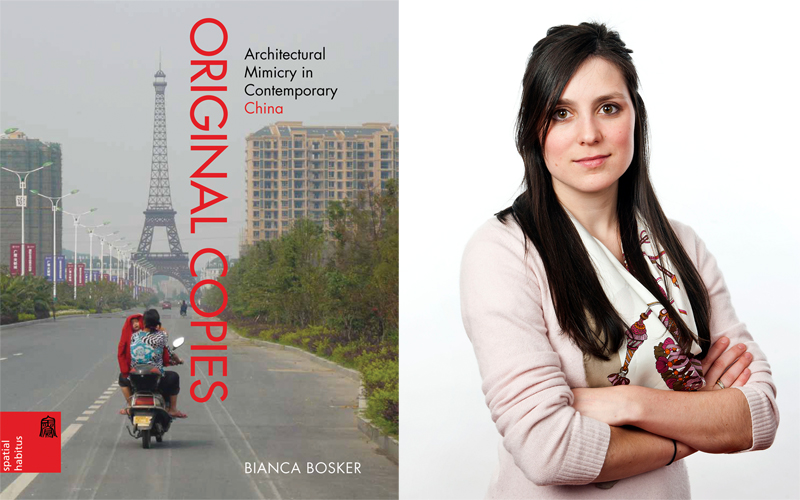
The widespread pirating of architectural motifs in China’s developing urban landscape is a well-documented phenomenon. From Alpine Villages to starchitect-designed superstructures, Chinese builders often seem to have no shame in copy and pasting designs originating from far away places.

This perplexing and culturally intriguing topic is the subject of a new book by Bianca Bosker, Executive Tech Editor for The Huffington Post. Original Copies: Architectural Mimicry in Contemporary China (University of Hawaii, 2013) examines the trend of “duplitecture” in China – the construction of monumental, themed communities that replicate the cities and towns of the West, frequently drawing on historical European archetypes.

Bianca was nice enough to answer some questions to help give us a better idea of what her book is about: Continue reading
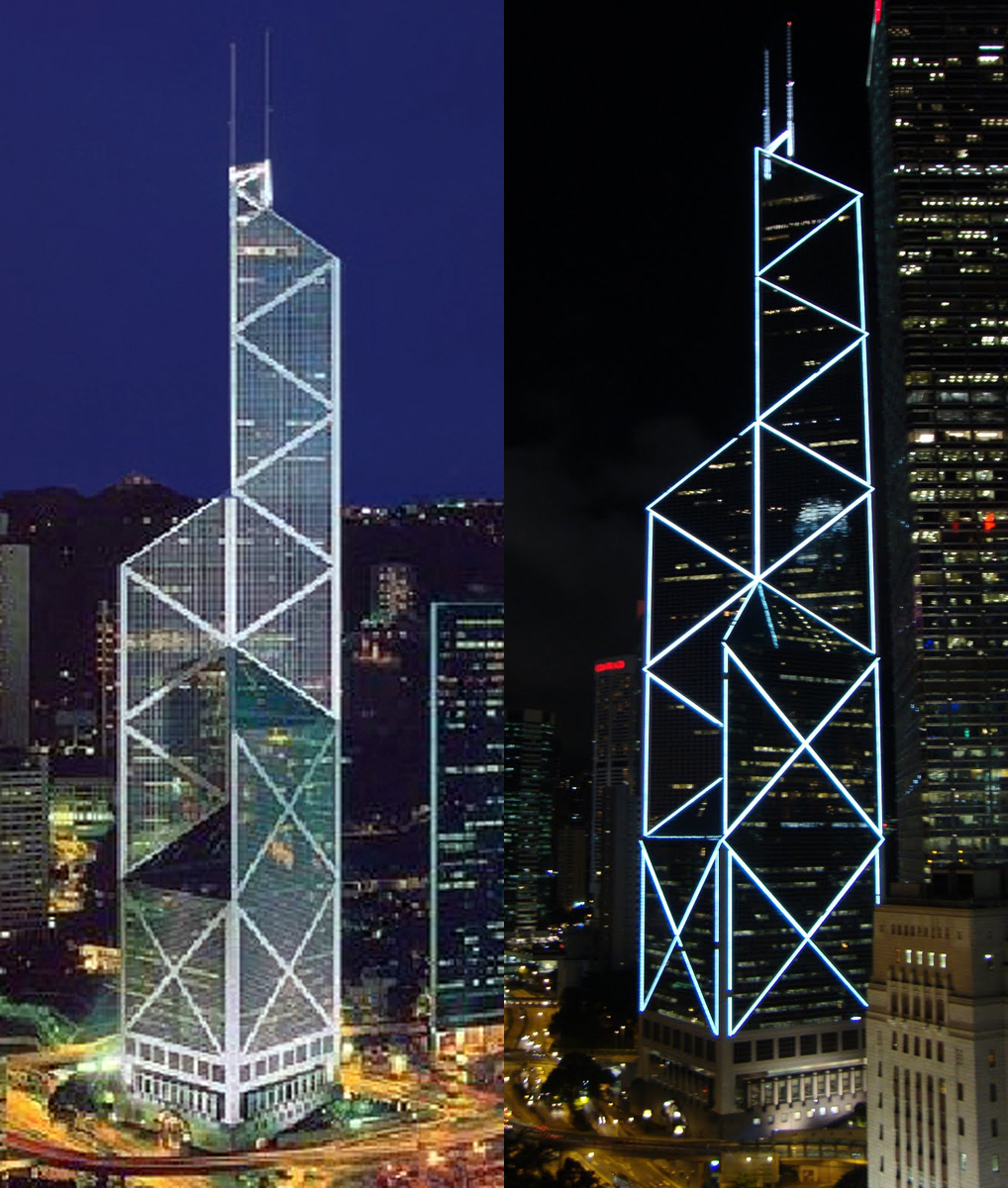
Illuminating Hong Kong’s Bank of China Tower

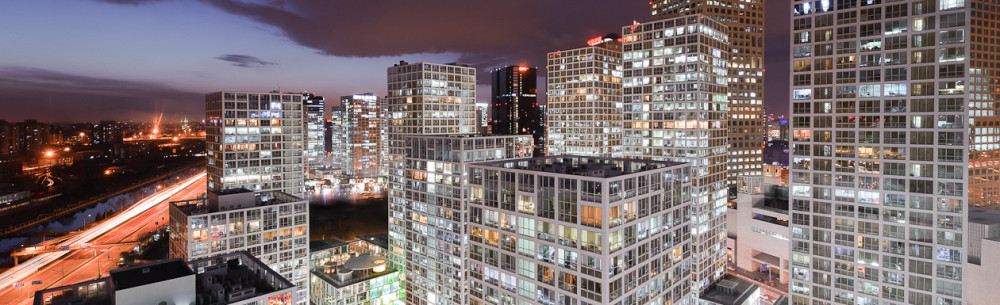
BankOfChina_LightingHong Kong’s Bank of China building with its original nighttime lighting scheme (left) compared to its current one (right)

The following post was written by John Yuan, a Chinese-American architect who worked on the design of the Bank of China building in Hong Kong during his tenure as an employee of I.M. Pei’s architectural practice:

Since first returning to visit Hong Kong around the time of the handover to China in 1997, I noticed that Bank of China Tower appeared strikingly different at night during subsequent visits over the next decade. I never imagined that the exterior lighting scheme for the tower would ever be altered from the original design done by Fisher Marantz, the lighting consultant to I.M. Pei’s office on the project.

Even from the beginning of the design process, illuminating the tower at night posed great challenges. The tower stands over 300 meters tall and has an exterior covered mostly in reflective glass- characteristics which both posed difficulties for the nighttime lighting design. Continue reading

Urban Fantasies in China: Architectural Visualization

The following piece appears in the new issue of the architecture journal CLOG:RENDERING

Urban Fantasies in China: Architectural Visualization

Architectural visualization specialists are the overlooked laborers involved in the vast China urban development program. They differ from architects in that they do not have design training beyond very specific knowledge of software programs such as 3D Studio Max© or the Adobe Creative Suite©. While some Chinese architecture firms employ in-house visualization specialists, most rendering work is outsourced to gigantic three-dimensional modeling studios.

Stepping into one of these studios is much like walking into a factory (one office can employ upwards of one thousand people), but instead of workers assembling widgets along conveyer belts, rows of workers hunch over their desktop computers for hours on end, producing images to be used in presentations to high-level officials or real estate marketing brochures. Just as in a factory, workers are assigned to one specific task: three-dimensional modeling, rendering (material and camera view selection) or post-production work in Adobe© Photoshop© – there is no overlap in roles. Continue reading

MTR Island Line Extension Set to Change Hong Kong’s Western District

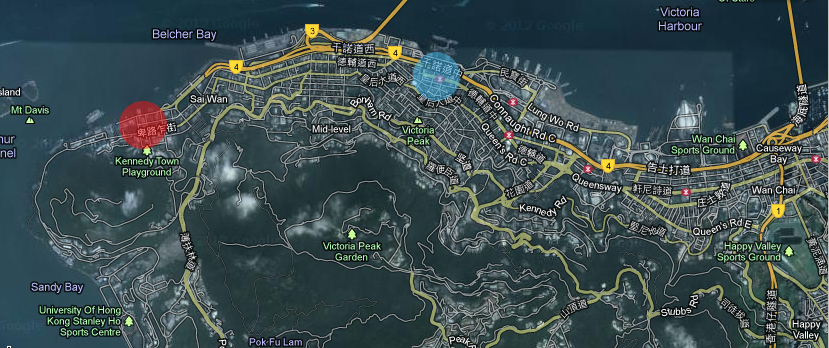
Blue Dot = Current Western Extent of MTR Hong Kong Island Line (Sheung Wan)       Red Dot = Terminus of Island Line Western Extension To Open in 2014 (Kennedy Town)

Infrastructure development continues in Hong Kong as the city’s Metro Transit Railway (MTR) extends its underground Island Line into the city’s Western District. Beginning construction in 2009, the western extension of the Island Line (dubbed the ‘West Island Line’) is set to open in 2014. The Island Line currently ends at Sheung Wan, one stop west of Central (Hong Kong’s central business district), but the extension will add three new stops, including Sai Ying Pun, Hong Kong University, and terminating at Kennedy Town. Continue reading

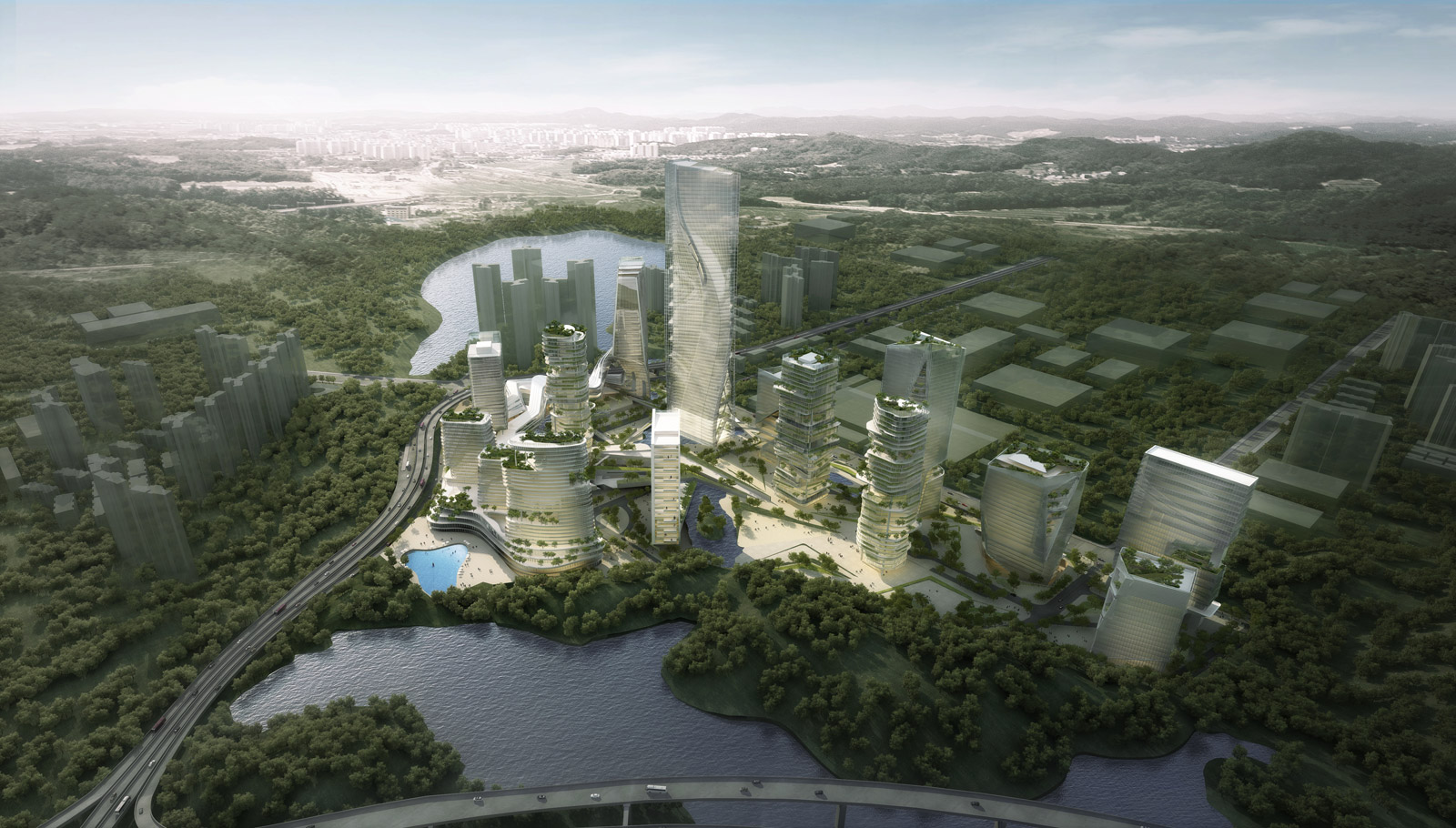
Shenzhen Surging: Yabao Hi-Tech Park by 10 Design

Shenzhen, China’s experimental Special Economic Zone, is often derided for its lack of history and culture. This is in no small part due to the fact that the city is essentially a boomtown that is more or less just over 30 years old. Yet making up for this drawback is the fact that the city has some of the most interesting and innovative new architecture being built in the country.

I was recently informed of a design for a compelling new project that fits the bill for Shenzhen’s growing stock of interesting buildings. The Yabao Hi-Tech Park is a new development by the Shenzhen-based Galaxy Group and designed by the architecture firm 10 Design. Continue reading