Solving Hong Kong’s Affordable Housing Crisis

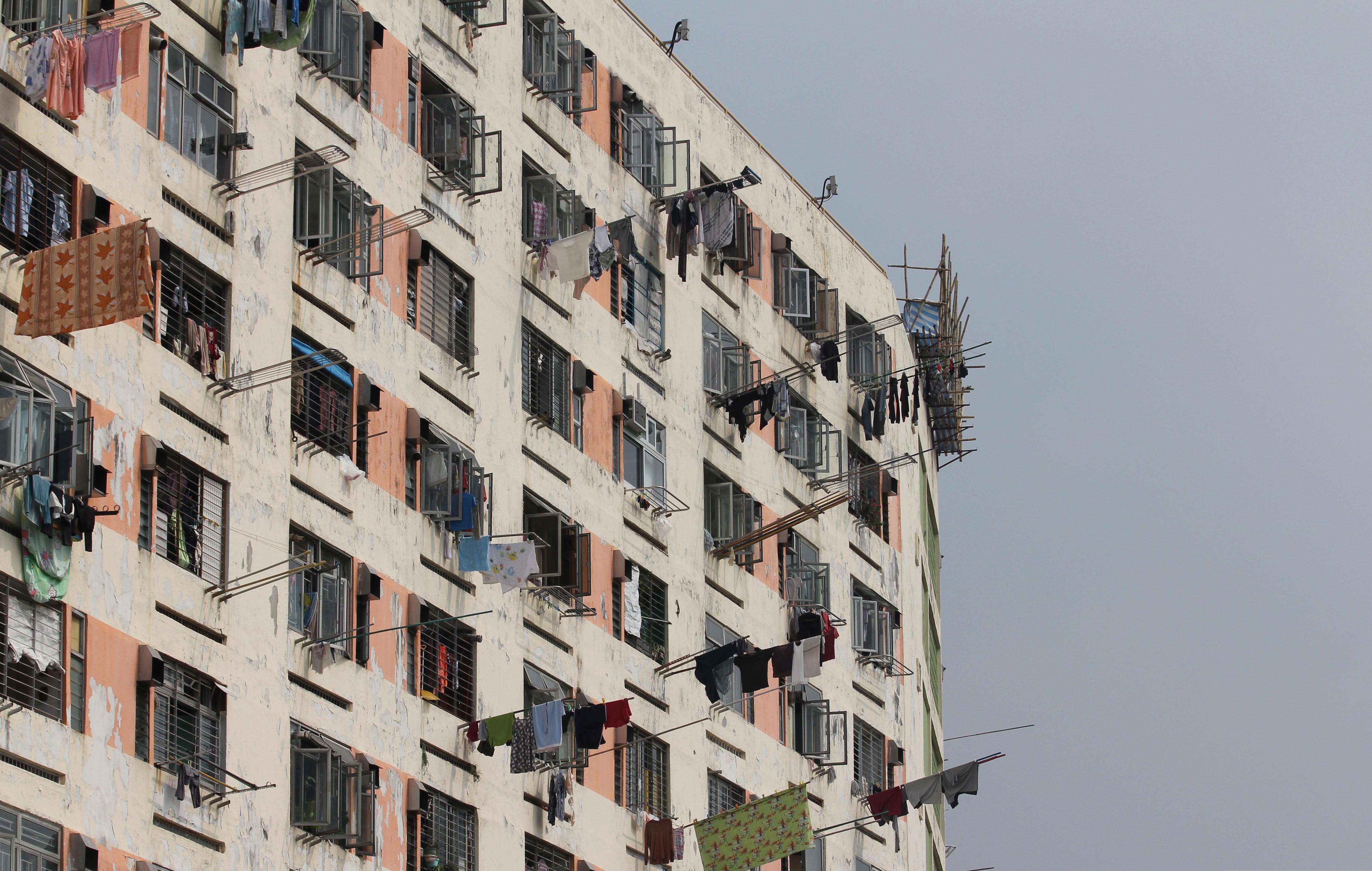
Mei Tung Estate

Mei Tung Estate – Photograph by Can Pac Swire via Creative Commons

Hong Kong’s shortage of affordable housing is becoming an increasingly pressing issue – over 30% of the population is currently living in subsidized housing, and the number of people waiting to enroll in the public housing program is growing each day. Because the Government program is so competitive, many residents are forced to live in divided units, cage homes, or rooftop settlements. Increasing rent pressure, inflation, and undesirable living conditions make homelessness the only option for many.

Hong Kong is a rich city, but wealth is extremely unevenly distributed. According to a study on 28 Asia-Pacific cities, Hong Kong ranked the lowest on its Gini Index – a measurement of income distribution. While the rich enjoy luxury condos with elevated swimming pools, the poor, which makes up about 20% of the population (a total of ~1.4 million people), struggle with ever-increasing housing prices. Continue reading
Hong Kong’s Wong Chuk Hang: How Long Will it be the “Undiscovered Gem” of HK’s Creative Community?

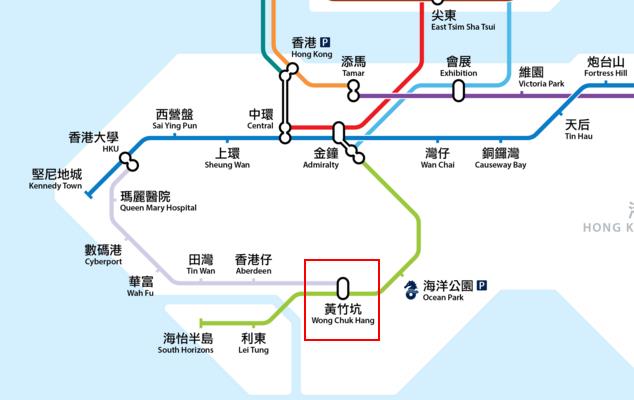
HK MTR Stations

Existing & Proposed MTR Stations, map by Wikimedia

Wong Chuk Hang, one of the most hip “undiscovered” neighborhoods in Hong Kong, is undergoing massive redevelopment thanks to a planned MTR Station. Just as galleries, artist studios, hidden coffee shops, and restaurants started emerging in recent years, the community is now facing rising rents and redevelopment pressures. Will WCH become another transient alternative neighborhood that will soon be overtaken by big developers? Continue reading

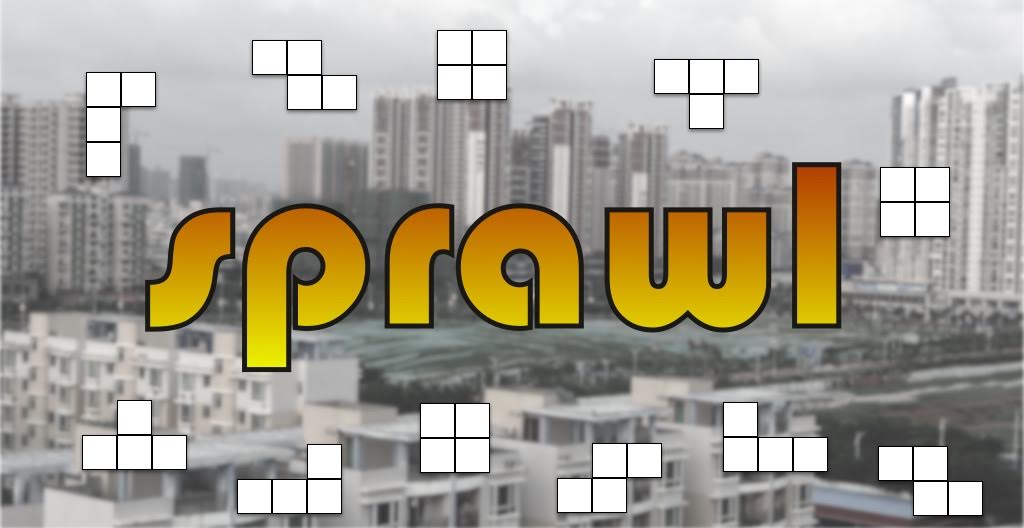
Tetris and the Challenge of Curbing Chinese Sprawl

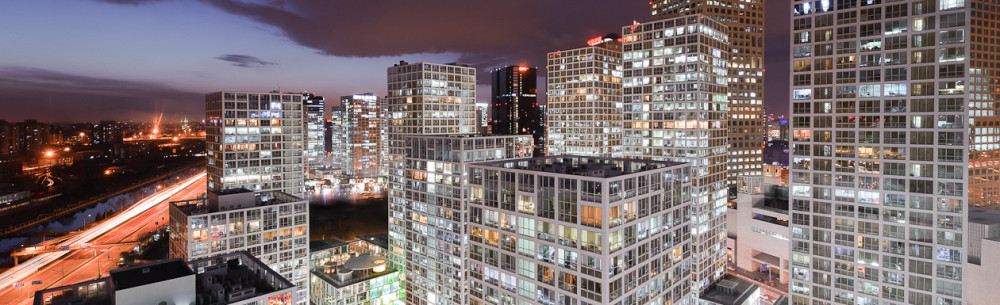
Chinese SprawlWhile Chinese cities are growing at an unprecedented pace, much of this growth isn’t what most city planners would consider “smart” — that is, growth that is efficient, equitable, and environmentally sustainable. Instead, most Chinese cities are experiencing high levels of sprawl. This has led both Chinese and international pundits to focus on the issue of Chinese sprawl, with some even asking why Chinese cities haven’t learned lessons from American cities. Is sprawl a sign that Chinese leaders don’t know what they’re doing?

In theory, sprawl can be limited by good planning. In practice, sprawl is an exceedingly challenging phenomenon to stop. Though there are numerous complex reasons for the growth of Chinese sprawl, there are three systemic factors driving Chinese cities’ expansive growth: unprecedented Chinese growth, local government budget dependence on land sales, and the importance of GDP growth in the Chinese political promotion system. Continue reading

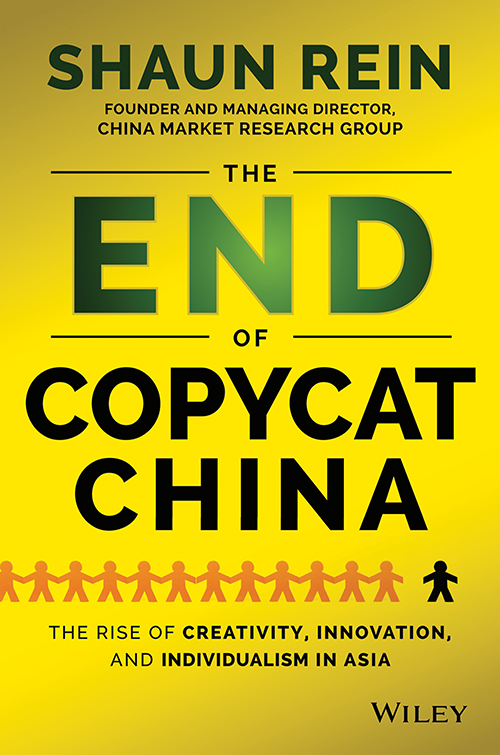
5 Questions for Shaun Rein, Author of “The End of Copycat China”

EndofCopycat China

More can happen in two years in a developing country like China than can happen in a decade or more in developed countries. And given this high speed of change, the information in business books about China’s economy can go out of date really fast.

That is why it is not surprising that although it has only been a little over two years since China analyst Shaun Rein released his first book, The End of Cheap China, he is back with another one. In that time span, China got a new leader in Xi Jinping, the one-child policy was significantly reformed, and Alibaba, the country’s biggest internet company, went public on the New York Stock Exchange.

The End of Copycat China is a natural follow up to End of Cheap China (which we featured a review of on this blog not long ago) and looks to build upon the research he’s been doing for the past decade on the ground in China.

I recently had a chance to chat with Rein about his new book and ask some questions about what he’s seen change in the past two years and, more importantly, the trends he sees influencing China’s development in the near future. Continue reading

Hong Kong Protests & The Role of the City

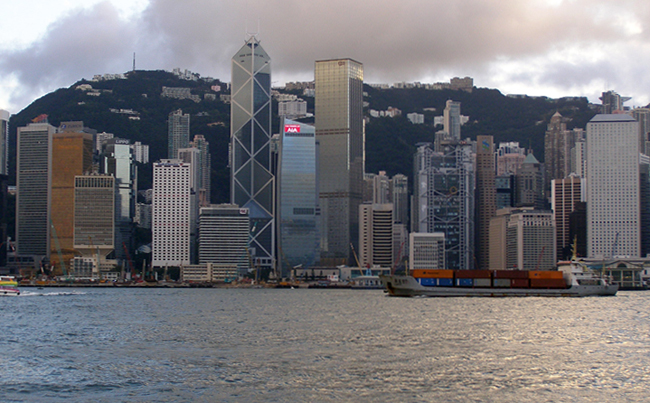
View over Victoria Harbor towards Central- the center of the pro-democracy protests

Hong Kong is an unlikely setting for massive political protests. The city, known for its open global trading culture, is a paragon of economic freedom. Yet many would argue that the economic freedom enjoyed by Hong Kong’s citizens has not kept pace with the level of political freedom.

Case in point: at the time of this writing, pro-democracy protests in Hong Kong have taken over the city; spilling over from the city’s central business district of Central into the neighborhoods of Causeway Bay and to Mong Kok across the harbor in Kowloon. Prompting this unprecedented massive protest was the Chinese Central Government’s decision last month to allow only committee-approved candidates to run for Chief Executive (Hong Kong’s highest political office) in what was supposed to be the city’s first public vote in 2017. Continue reading