Shaun Rein Gets It

As more economists jump on the China bubble bandwagon, reliable information about the country’s state of development is becoming more difficult to come by. Anecdotes about empty buildings, empty trains, and just all around emptiness abound from China bears. I have no idea where these observations come from given the overwhelming falsity of some of these claims.

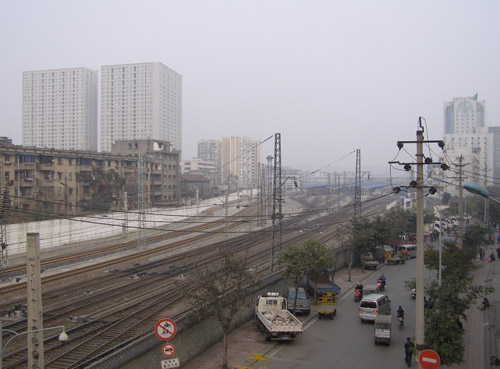
Neither does Shaun Rein over at Forbes. In a piece titled “Nouriel Roubini Is All Wrong About China“, Rein takes the famed economist to task by picking apart Roubini’s observations about ’empty trains’ and ’empty roads’ between Shanghai and Hangzhou. Continue reading
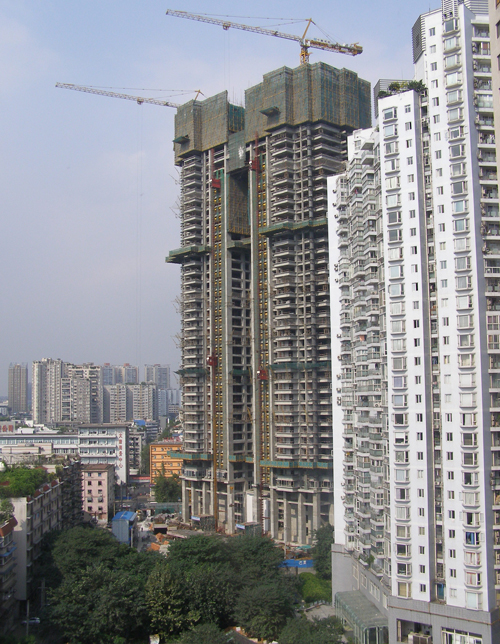
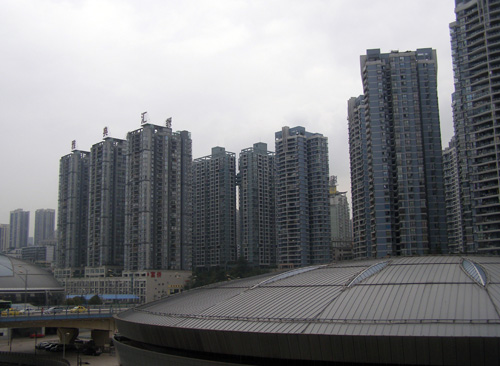
Fears About a China Housing Crash Overstated

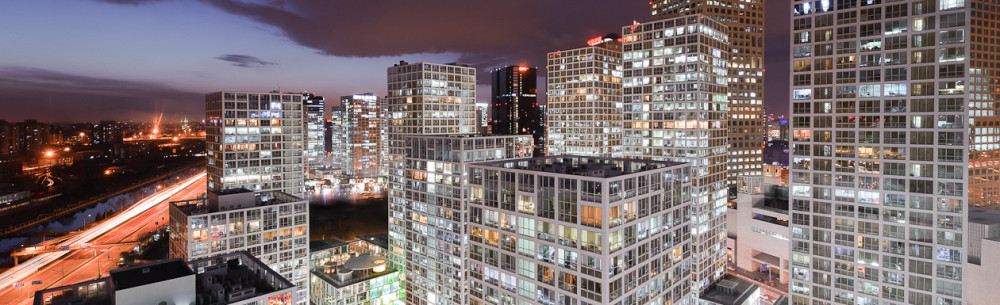
Consensus among international media is that China’s economy is heading for an imminent and disastrous crash due to its inflated housing market. While there is absolutely no denying that housing prices in central parts of 1st Tier cities such as Beijing, Shanghai and Guangzhou are sky-high, this does not signal the end of China’s economic rise. If anything, the high price of housing in these cities affirms China’s rise from poor, cut-off backwater to the world’s second largest economy. Continue reading

How China’s Megacities Have Avoided Problems of Other Developing Cities

Urbanist media can’t seem to get enough of the megacity these days. Much of the commentary surrounding this topic is disconcertingly celebratory about these leviathans despite such phenomena as overcrowding, high levels of congestion and sprawling slums.

Yet absent from most of the commentary is any mention cities in China. This is perhaps due in large part to the lack of serious social problems in comparison to its developing city counterparts in other countries. If a megacity is defined as a city with a population of more than 10 million, then China is home to 5 megacities: Shanghai, Beijing, Shenzhen, Guangzhou and Dongguan. As the country continues to urbanize, more Chinese cities are bound to join the ranks of these megacities.

How has China been able to avoid the pitfalls facing other developing megacities? No one is denying that Chinese cities don’t have problems including unequal income distribution, pollution and growing traffic congestion. Yet China’s megacities seem to have largely avoided social dangers such as violent crime, disease and slum proliferation that plague urban areas of other developing countries.

Following I have identified five points as to how China’s cities have avoided these issues: Continue reading

Post G-20 Hangover: Trade Wars, Currency Manipulation & More

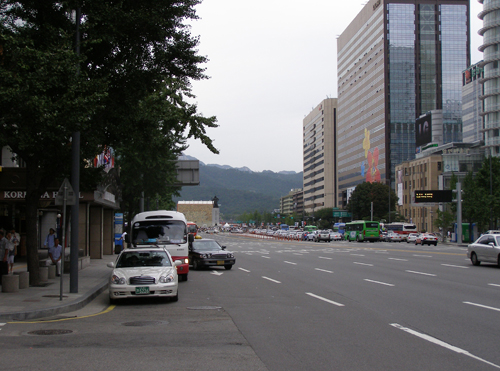
Downtown Seoul

The G-20 meeting in Seoul earlier this month left in its wake a trail of uncertainty regarding the state of the global economic system. The U.S. received its fair share of criticism over its ‘QE2’ quantitative easing measure. ‘Quantitative easing’ is  essentially akin to the Federal Reserve Bank printing more money. The goal here is to help stimulate job growth in the U.S. by weakening the dollar. Forbes columnist Shaun Rein explains why quantitative easing might actually be  a terrible mistake.

Treasury Secretary Timothy Geithner denies the U.S. is manipulating its currency while continually berating China over the low valuation of its RMB. With QE2, the United States can no longer taker the moral high-ground because it has now entered the currency devaluation game. The intent of QE2 is to try to direct investment and job growth back to the U.S. but it will probably have the opposite effect: lowering the standard of living of American by causing inflation. Continue reading

China, Japan, America

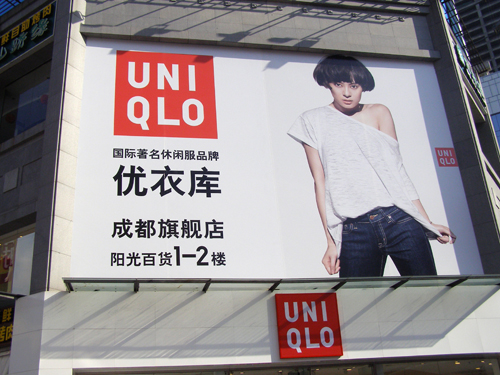
Japanese Retail Chain Uniqlo at Chengdu’s Chunxi Lu Shopping Street

After spending the previous two weeks in the U.S. visiting friends and relatives, I returned to chaos in Chengdu last week. Just a few blocks from my apartment, protests were being held at the city’s main shopping street, Chunxi Lu, against Japanese-owned businesses. I had no idea this was going on until I was alerted by my friends over at Chengdu Living who were there documenting the scene with photos and video.

This anti-Japanese demonstration came about due to a recent dispute about the ownership of the Diaoyu Islands in the Pacific. The cultural rift between the two countries goes deeper than that though, with bitter feelings about Japan’s invasion of China during World War II still prevalent among those living in mainland China. Continue reading