Solving Hong Kong’s Affordable Housing Crisis

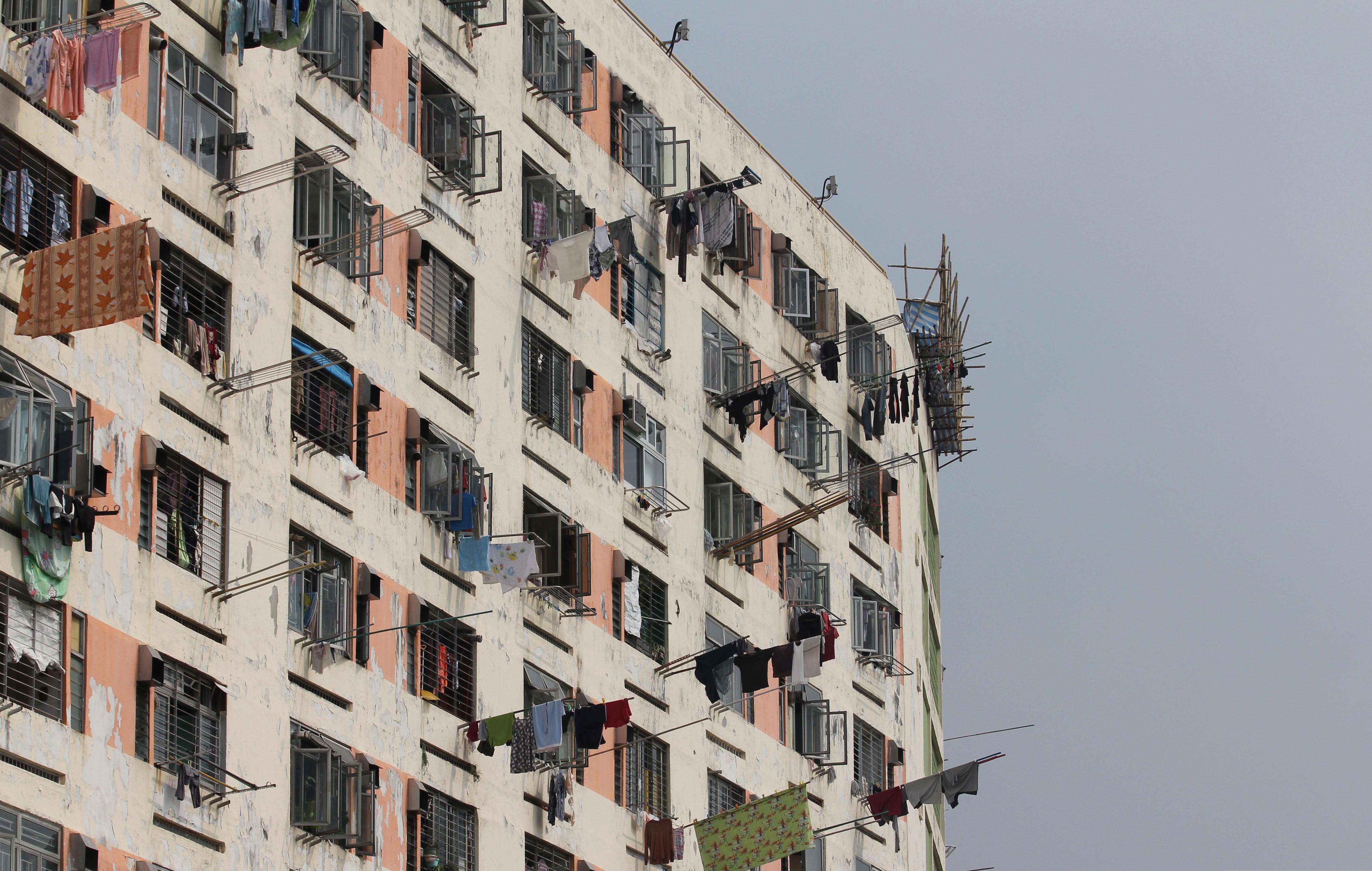
Mei Tung Estate

Mei Tung Estate – Photograph by Can Pac Swire via Creative Commons

Hong Kong’s shortage of affordable housing is becoming an increasingly pressing issue – over 30% of the population is currently living in subsidized housing, and the number of people waiting to enroll in the public housing program is growing each day. Because the Government program is so competitive, many residents are forced to live in divided units, cage homes, or rooftop settlements. Increasing rent pressure, inflation, and undesirable living conditions make homelessness the only option for many.

Hong Kong is a rich city, but wealth is extremely unevenly distributed. According to a study on 28 Asia-Pacific cities, Hong Kong ranked the lowest on its Gini Index – a measurement of income distribution. While the rich enjoy luxury condos with elevated swimming pools, the poor, which makes up about 20% of the population (a total of ~1.4 million people), struggle with ever-increasing housing prices. Continue reading
China In Africa: An Interview With Go West Project

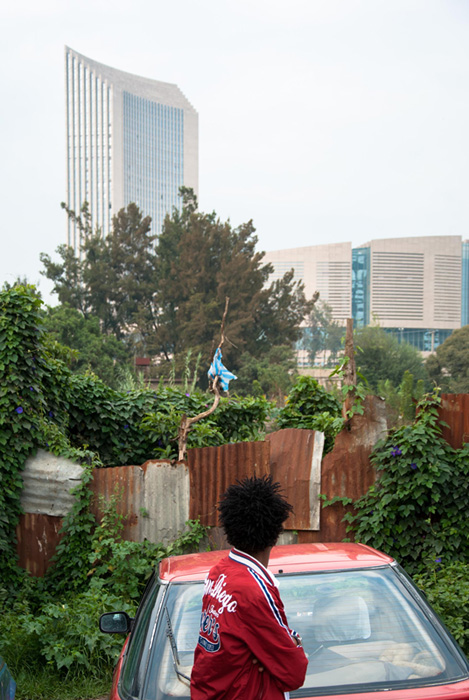
African Union Building A local looks up at the new African Union Headquarters in Addis Ababa, Ethiopia. The complex was funded entirely by Chinese money. Photo Credit: Go West Proejct

In 2009, China surpassed the U.S. to become Africa’s single largest trading partner. Yet the burgeoning relationship between China and Africa is no ordinary trading arrangement. Rather than colonizing the continent as Western powers did in the past century, China is trading infrastructure development and urbanization expertise for access to Africa’s vast natural resources. This re-balancing of trade has yet to be studied in depth as it is probably too early to tell what the impact of China’s involvement in Africa will have on the broader world’s economy.

What we can observe is the immediate impact China is having on Africa’s urban development. Luckily we have Dutch researchers Michiel Hulshof and Daan Roggeveen of the emerging cities think-tank Go West Project to explain to us what is happening on the ground.

I first met Hulshof (a journalist) and Roggeveen (an architect) at the 2011 Chengdu Biennale where they presented their research on China’s developing western metropolises (hence the name of their think-tank). Their research culminated in the book How the City Moved to Mr. Sun – China’s New Megacities (2011), which looks beyond the so-called 1st Tier cities of Beijing and Shanghai to tell the story of urbanization in the country’s heartland.

Now Hulshof and Roggeveen are looking even further, beyond China’s borders, to study what the Chinese urbanization experiment means for Africa’s cities. They were kind enough to take the time to answer some questions for us about their initial research: Continue reading

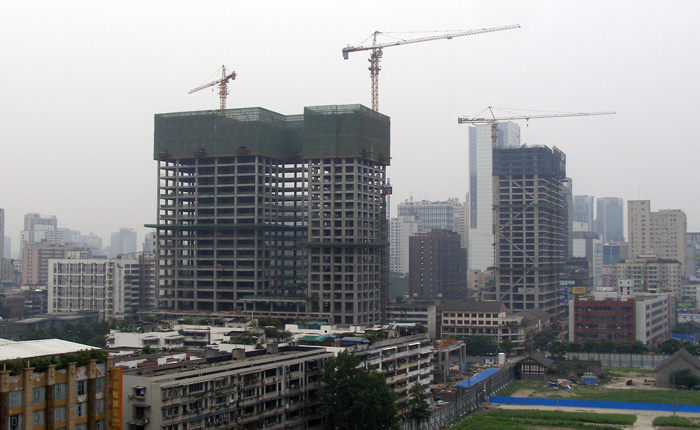
The State of Seismic Safety in China

OLYMPUS DIGITAL CAMERA

The 7.0-earthquake in Ya’an, Sichuan Province this past April once again brought up the topic of construction quality in China. Images of crumbled buildings also reminded the world of the devastation that overcame the very same region 5 years ago when more than 70,000 people perished in the 2008 Wenchuan Earthquake.

Amazingly, the loss of life in the Ya’an quake was markedly smaller at only 200 (granted, so was the severity of the quake, but 7.0 is magnitude still a very significant tremor). Ideally, the goal of seismic building safety is to minimize casualties, thus April’s earthquake proved that China is stepping it up in the right direction.

I have a unique perspective on the issue having spent 2 years living and working in Chengdu, the capital of Sichuan. And given my position working on the inside of China’s construction boom, industry colleagues and acquaintances outside China frequently inquired about the country’s building safety standards. Continue reading

Why is Zaha Hadid Being Copied in China?

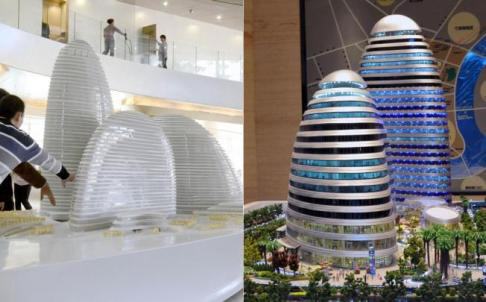
Zaha_copied in ChinaZaha Hadid’s Wangjing SOHO design (left). Chongqing Meiquan 22nd Century design (right). Image from AFP.

Earlier this year, the architecture world was in shock after a story made the rounds that a Zaha Hadid designed project in Beijing is being pirated by a developer in Chongqing. What’s surprising about this story is not the actual copying of Hadid’s design but the reaction from the design media, as if this is the first incidence of architectural piracy in China.

Of course this is not the case as building designs are routinely copied in China. However, what makes this instance unique is that while Hadid’s design (Wangjing SOHO) is still under construction, the copied version (Chongqing Meiquan 22nd Century) is set to complete first. Pan Shiyi, Board Chairman of SOHO China, Hadid’s client, has not kept quiet about his disapproval, and is now taking legal action against the developers in Chongqing. Continue reading

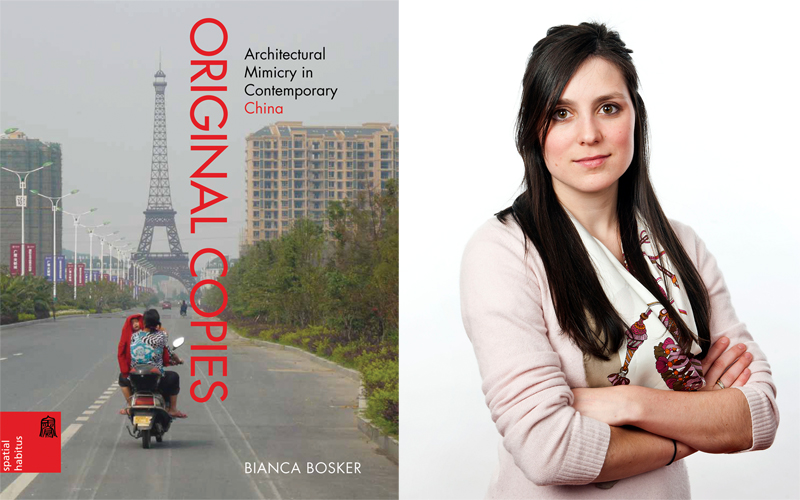
Interview with Bianca Bosker, Author of New Book “Original Copies: Architectural Mimicry in Contemporary China”

BBoskerBook

The widespread pirating of architectural motifs in China’s developing urban landscape is a well-documented phenomenon. From Alpine Villages to starchitect-designed superstructures, Chinese builders often seem to have no shame in copy and pasting designs originating from far away places.

This perplexing and culturally intriguing topic is the subject of a new book by Bianca Bosker, Executive Tech Editor for The Huffington Post. Original Copies: Architectural Mimicry in Contemporary China (University of Hawaii, 2013) examines the trend of “duplitecture” in China – the construction of monumental, themed communities that replicate the cities and towns of the West, frequently drawing on historical European archetypes.

Bianca was nice enough to answer some questions to help give us a better idea of what her book is about: Continue reading