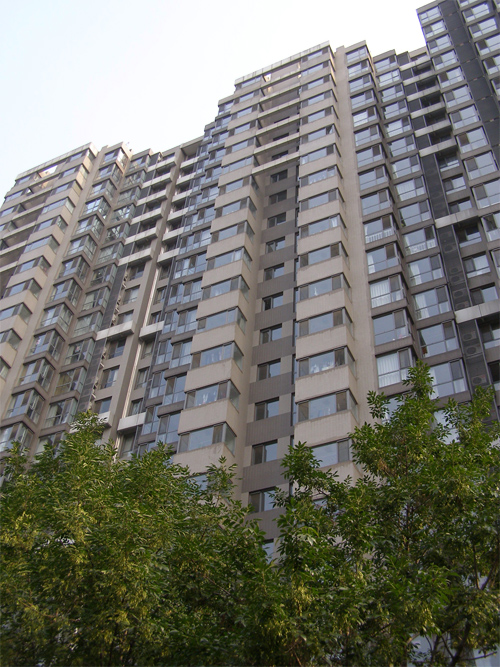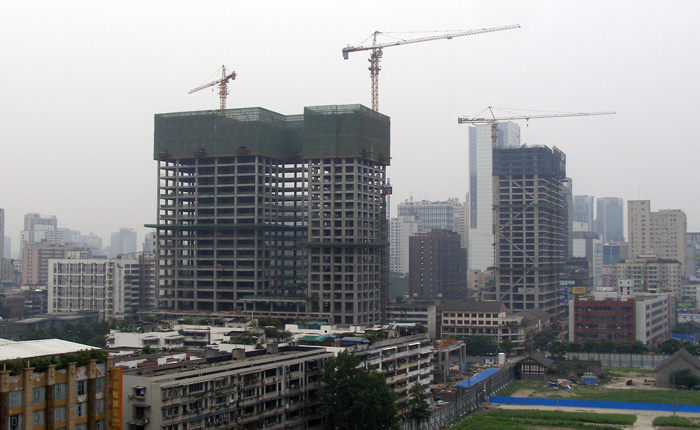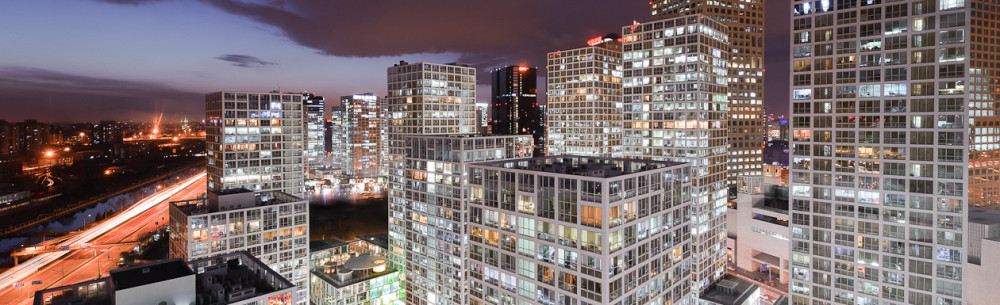
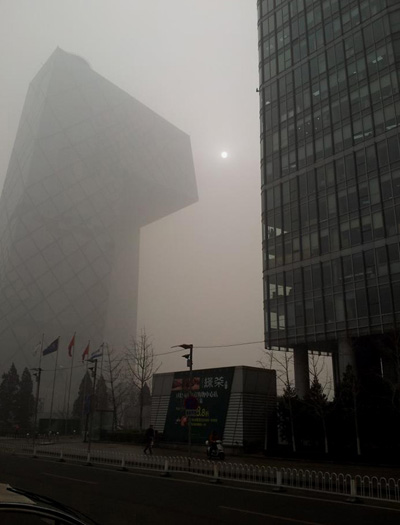
Like many foreign travelers and working expats who arrive to China, Beijing was my first port of entry into the country. Leaving Capital Airport I was struck by the massive scale of the city, overwhelmed by the repetitive concrete towers standing like regimented rows of soldiers in the skyline. Beijing’s urban form is undoubtedly inspired by the Soviet-era tendency towards grandiose urban planning schemes, but as I would come to learn the story on the ground painted a different, much more vibrant picture of urban life.
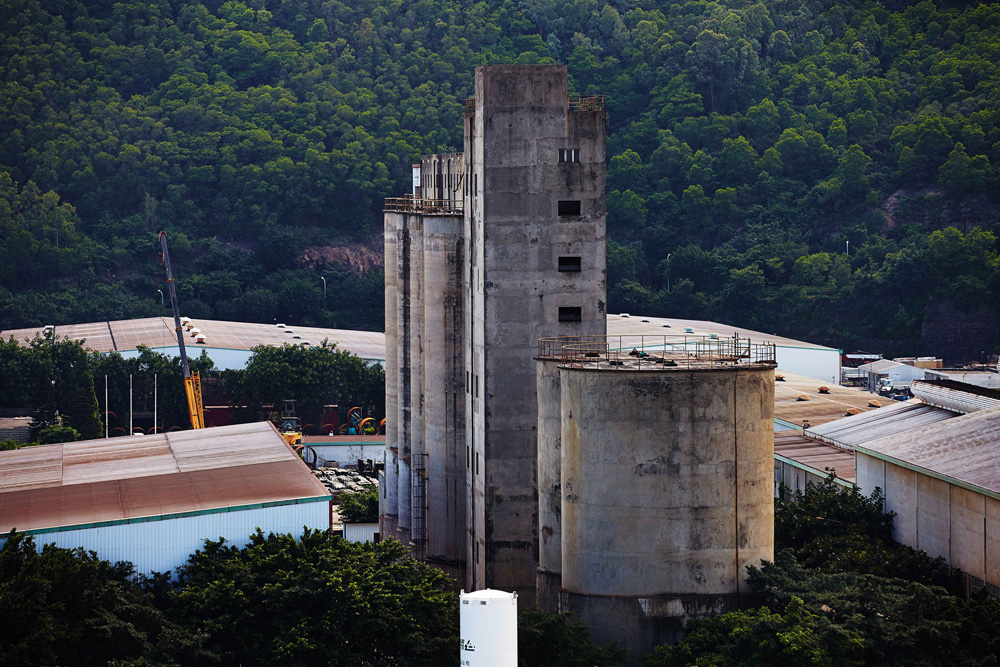
Beijing is not a city that one can fully appreciate in the matter of just a few days visiting the famous historical sites. In the space between gigantic attractions like The Forbidden City, Temple of Heaven, and Summer Palace, a modern grassroots culture thrives. Underground rock clubs, artist studios and independent coffee shops coexist in what’s left of old hutong neighborhoods as well as reclaimed industrial spaces on the periphery of the city center.
The notion of a burgeoning arts scene would seem to run counter to what many outside China still think of the city: that is, the seat of an oppressive Communist government devoted to quashing all personal freedoms. Although Chairman Mao’s portrait still looks ominously over Tiananmen Square, the perception of Beijing as a cultural desert couldn’t be further from the truth. Continue reading