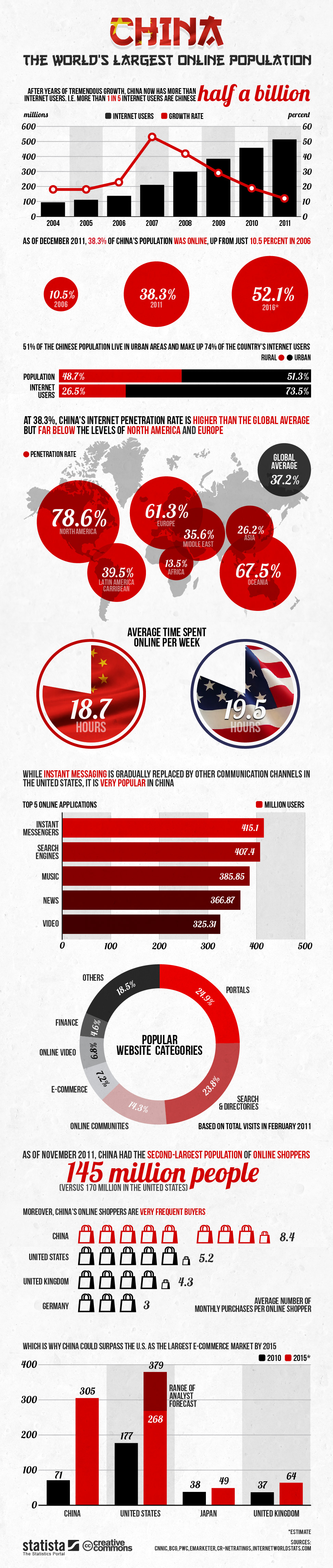
 The good people over at Statista provided us with yet another excellent China infographic, this time about the country’s huge online population. Already, 1 in 5 worldwide internet users is Chinese, yet still less than half of the country’s population is online. Most of those are people living in China’s urban areas, accounting for 73.5% of those online. That statistic and the overall number of people using the internet is bound to increase with the technological advantages that urban areas continue to afford over rural areas.
The world of microblogging is also exploding. China’s version of Twitter, called Weibo, is already a paradigm-changing social phenomenon with over 300 million registered users. Although strict government controls routinely restrict searches for sensitive topics, savvy netizens find ways around these blockades through the use of aliases and codewords. For instance, while the ongoing saga surrounding the recent escape of blind dissident Chen Guangcheng from house arrest has led authorities to block searches for his name, Weibo users are creatively microblogging around the sensors .
It might be too early to assess the full extent of influence that widespread internet use has on Chinese society, but it is safe to assume that it has already changed the social landscape in significant ways.
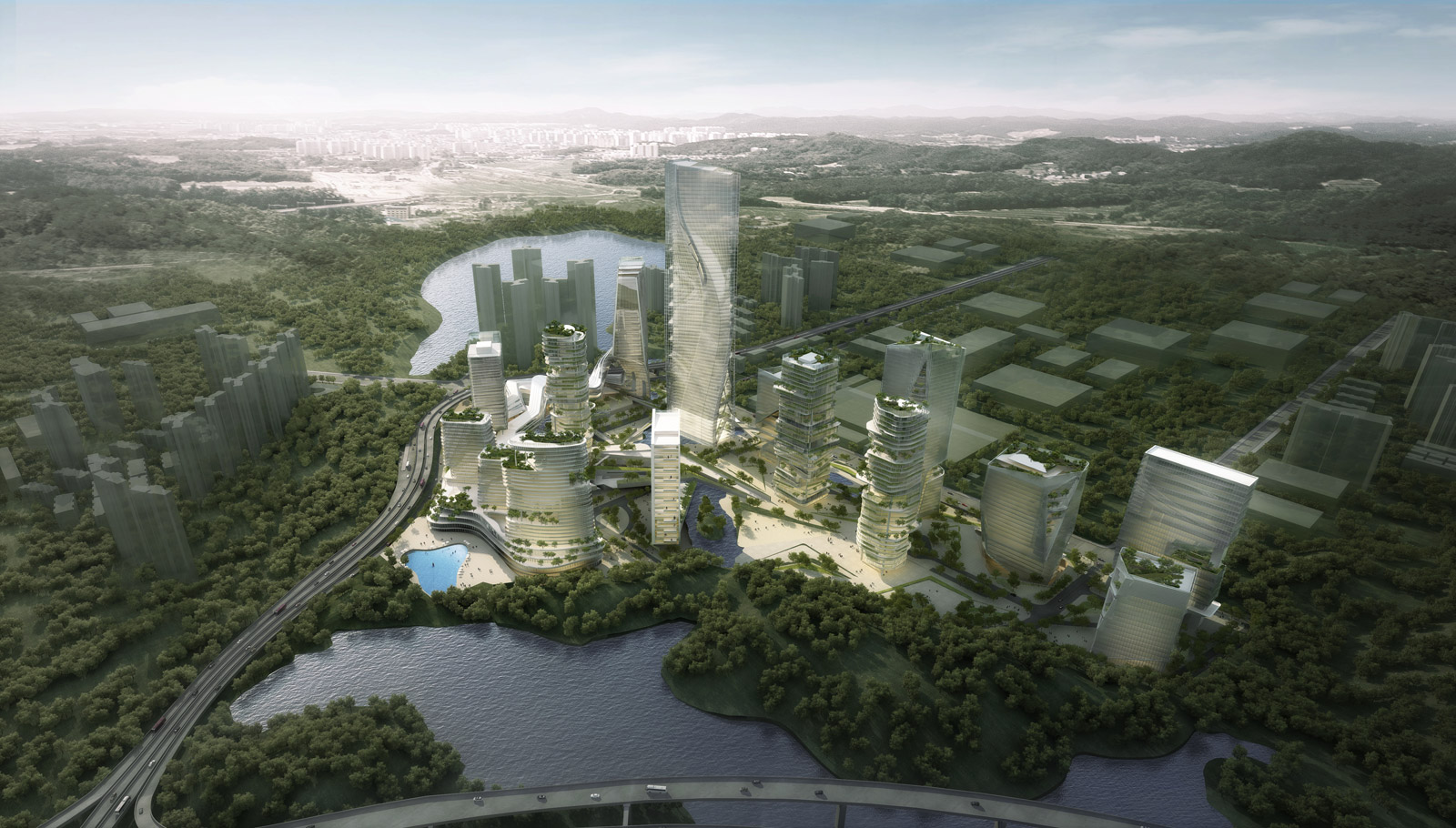
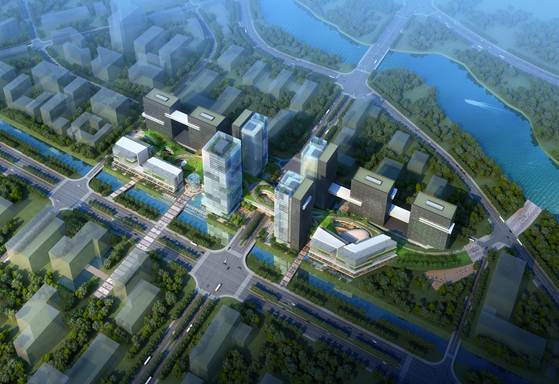 Lessard Design, an American architecture firm based out of the Washington D.C. area, recently shared with us some images of their competition winning entry for the Nanjing Technology Community. Designed in conjunction with local design institute Nanjing City-Town Architecture Design & Consultants (CTA Architects), the project is a 4,280,000 square foot office complex geared towards technology entrepreneurs. Continue reading