Urbanizing Towards a Clean and Sustainable Future

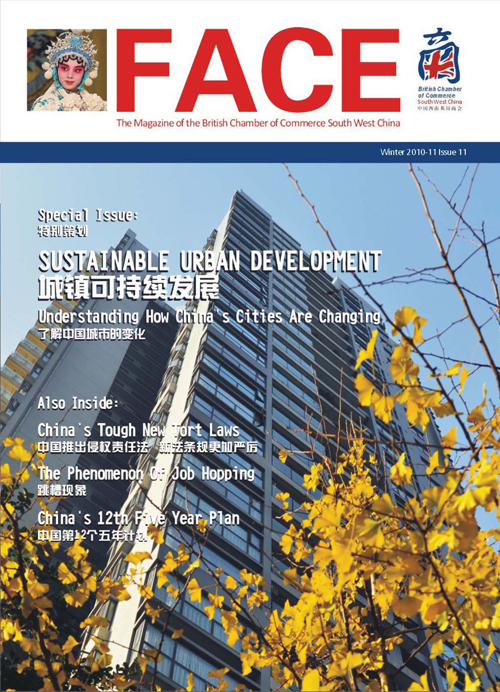
An article I wrote about the sustainable development in China’s cities was recently published in the Winter 2010/2011 Issue of the British Chamber of Commerce South West China Magazine “Face“. The piece examines the historical context under which China’s cities are currently developing and looks at some of the important decisions being made  by civic leaders, arguing that they will ultimately prove to be beneficial in the long-run.

For the readers of the China Urban Development Blog, here is a reproduction of the original piece: Continue reading
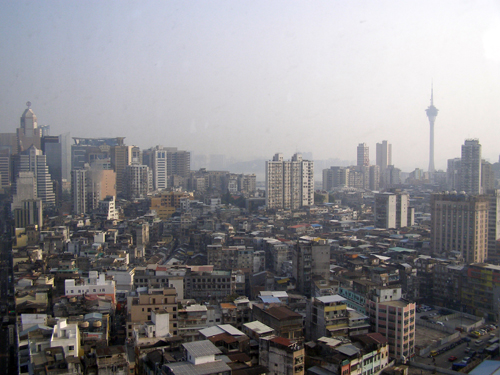
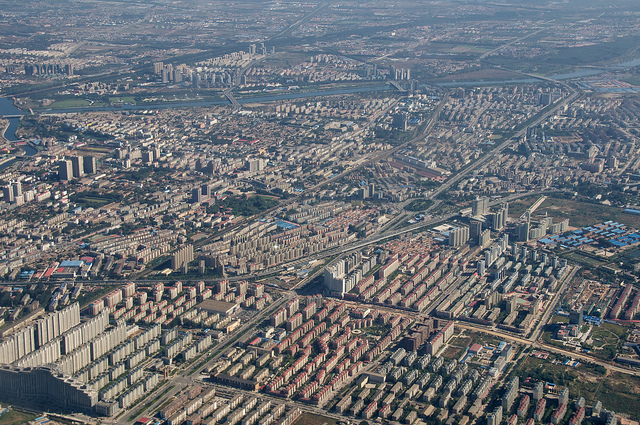
Macau Housing Prices Rising Fast

Like the rest of China, Macau is witnessing an ascent in its housing prices. According to Bloomberg, “Macau home prices may rise as much as 20 percent this year as the city’s economy benefits from an expanding casino industry.”

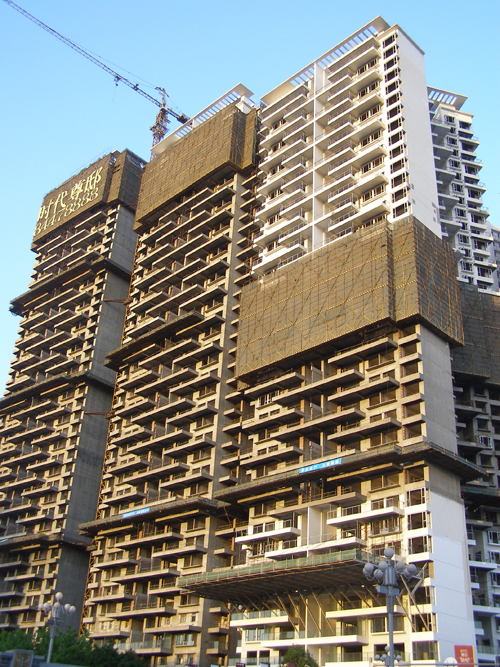
Even though Macau has seen the construction of some high-profile new Casino/Hotels in recent years, the small Special Administrative Region and former Portuguese colony is saddled with an out-of-date housing stock. Yet with rising local incomes due to the booming casino industry and the immigration of workers from Mainland China and neighboring Asian countries, Macau needs to build more new housing units to keep pace with demand.

If demand is not met, housing prices risk skyrocketing to levels that would be unaffordable for local Macanese and immigrant hospitality workers.

Bloomberg: Macau Home Prices May Gain Up to 20% This Year on Casino Growth

(Mis)understanding China’s Suburbs

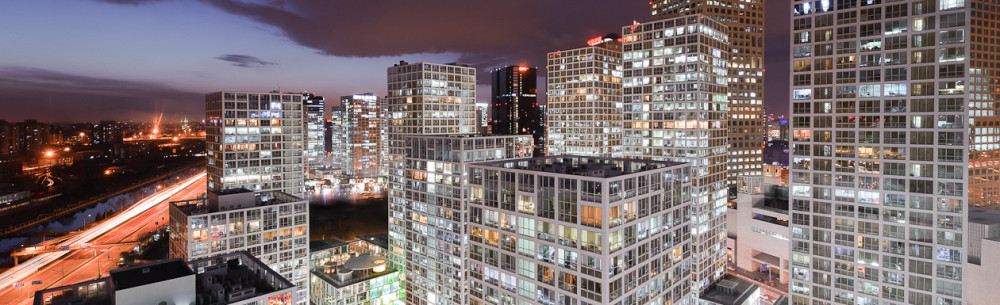
Beijing Suburbs. Photo by Manuel.A.69.

As China’s expanding cities inevitably swallow up surrounding countryside, the boundaries between urban, rural and suburban areas become progressively more blurred. What today might be farmland could tomorrow be the next central business district sprouting state-of-the-art skyscrapers. This fast-changing reality makes defining what constitutes urban vs suburban with developed-world standards insufficient. China needs its own definitions. Continue reading

Tragedy in Shanghai

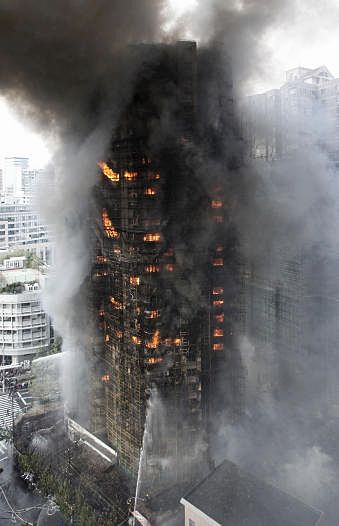
I’m an unabashed fan of tall buildings, high-rises, skyscrapers- whatever you want to call them. Not only do they lend cities a sense of identity by the way a collection of tall buildings can uniquely define a skyline, they also offer occupants a chance to experience urban environments in the elusive z-axis. Residential towers offer the potential to transform neighborhoods into bustling high-density zones of activity. There is arguably no other type of building that defines the current modern era of world architecture better than the skyscraper.

The high-rise building type is not without its calculated risk though, especially when it comes to the issue of safe occupant egress in case of emergency. When tall buildings do fail (a very rare occurrence), the results are sometimes disastrous. One only needs to remember the image of the collapsing World Trade Center Towers in Manhattan to get a grim reminder of the great risk and loss of life skyscrapers can pose. Continue reading

China Housing Bubble? Maybe, But Not as Bad as You Think

Many economic analysts are convinced that China is now in the midst of a  colossal housing bubble. Wendell Cox thinks otherwise. In a recent NewGeography piece titled China’s Sliver of a Housing Bubble, Cox digs through the various studies surrounding the talk of a housing bubble and focuses in on one particular study conducted by Dr. Wang Xialou for Credit Suisse.

Dr. Wang’s study differs from the others in that it takes into account the ‘grey income’ that is prevalent in China. Grey income is income not reported in official data. Anyone familiar with the earning and spending habits in China knows that under-the-table dealings are standard practice. This makes it difficult to assess real income versus housing prices and decisively conclude whether there really is a housing bubble. Continue reading