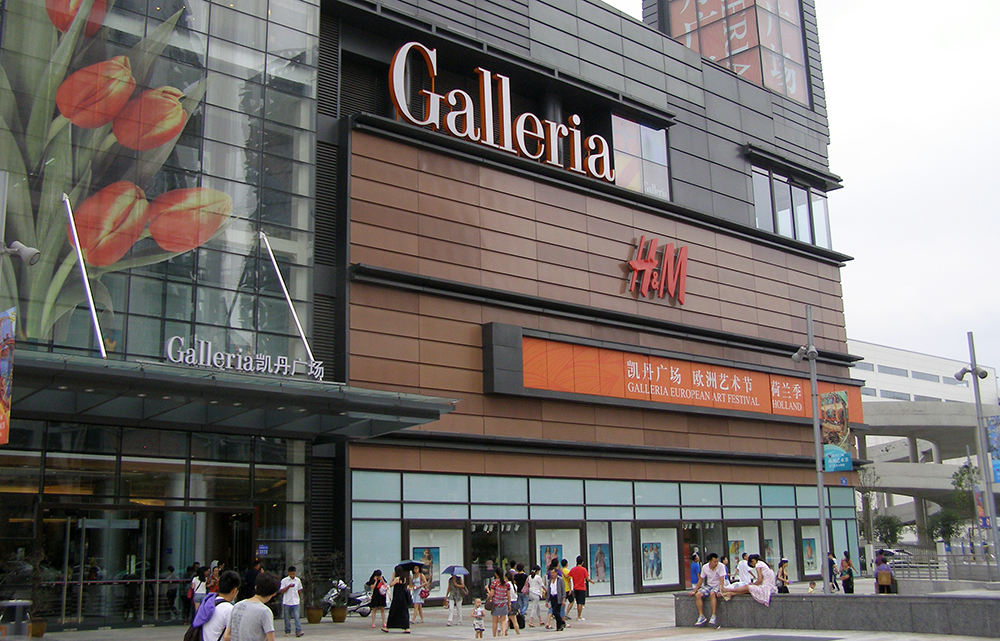
How China’s ‘Mall Mania’ Destroys Local Communities

Photo by Adam Mayer

This article by Harry den Hartog originally appeared at Sixth Tone.

As early as 2002, the Dutch architect Rem Koolhaas noted how architectural spaces facilitated the urge to consume: “Shopping is arguably the last remaining form of public activity. Shopping has infiltrated, colonized, and even replaced almost every aspect of urban life. Town centers, suburbs, streets, and now airports, train stations, museums, hospitals, schools, and the internet are shaped by the mechanisms and spaces of shopping.” Continue reading

SUPERDENSITY: An Interview with HASSELL Principal David Tickle

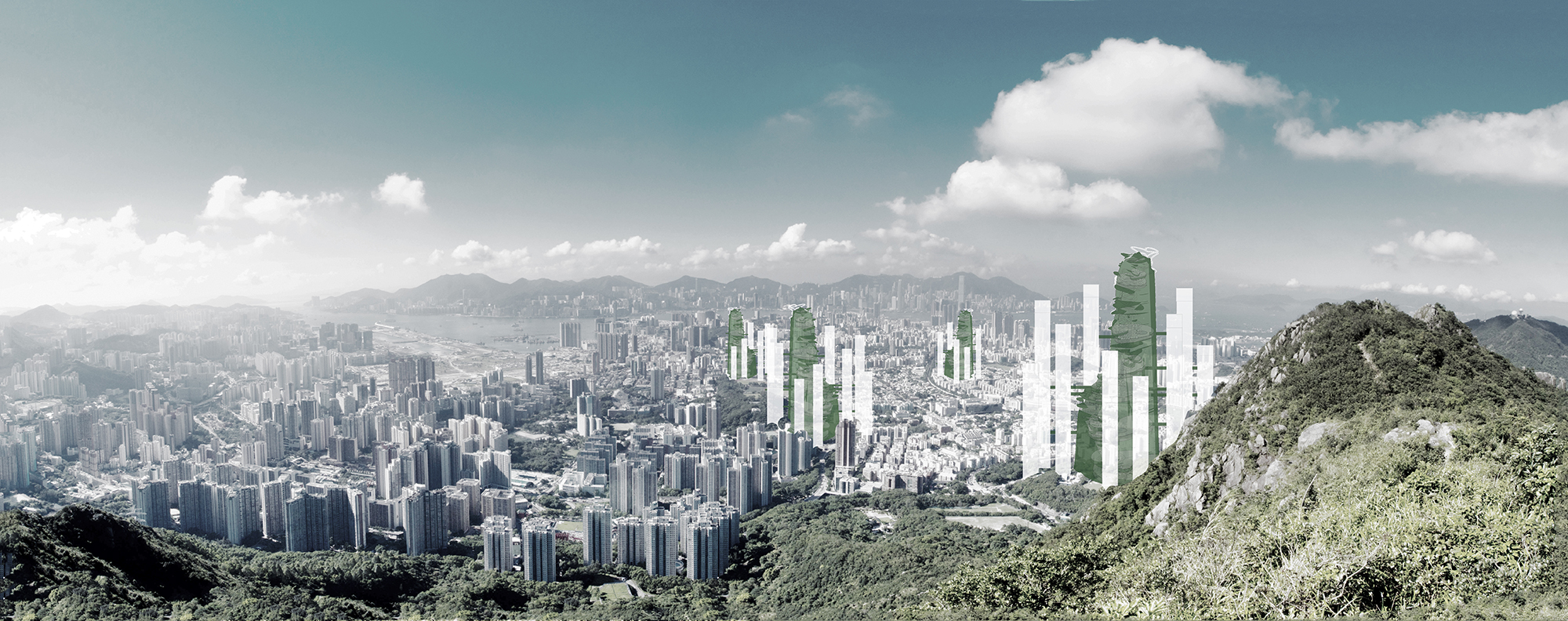
OLYMPUS DIGITAL CAMERAImage courtesy of HASSELL

On my Twitter feed I recently came across a post about a new urban development concept called “SuperDensity” crafted by the international design practice HASSELL. Introduced by HASSELL Principal David Tickle at the 2016 Council for Tall Buildings and Urban Habitat International Conference in China this past October, SuperDensity is described as a “three-dimensional systems of open space, transport and resource utilization, inspired by the systems of the existing city”.

Having not attended the CTBUH talk and only seen a few provocative renderings of lush towers rising out of the Hong Kong skyline, I wanted to learn more about this proposal. David was a nice enough to answer a few questions for us and elaborate on the ideas that led to SuperDensity. Continue reading

Cycling in Hong Kong: Mission Impossible?

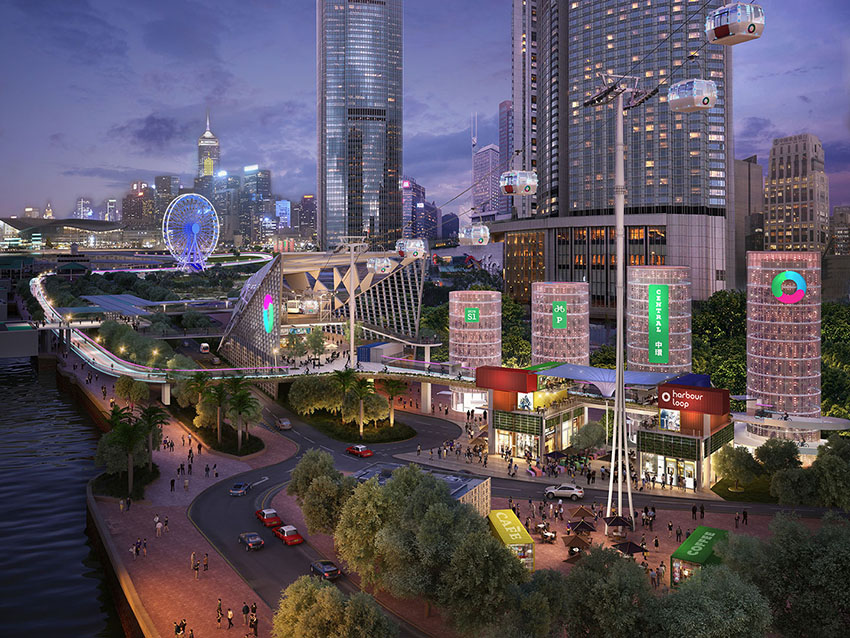
HarbourLoop_Render_850px

Conceptual Rendering of the Hong Kong “HarbourLoop” Proposal by Lead 8. Image Courtesy of Lead 8 Hong Kong Limited.

From Norway’s cross-country bicycle highway to Copenhagen’s cycling snake, large-scale cycling infrastructure projects around the world are attracting both public and private investments. With Amsterdam appointing its first Bike Mayor and London having cycling as a prominent issue during its mayoral election, pro-cycling campaigns are seizing the moment to normalize cycling as a way of daily transit.

Primarily known for its efficient public transportation system, Hong Kong has not actively explored the potential of cycling on a municipal level. Yet could Hong Kong benefit from getting more people on their bicycles? Would the right infrastructure and pro-cycling campaign create a passion for ground-level, zero-emission transportation? Continue reading

Hong Kong’s Wong Chuk Hang: How Long Will it be the “Undiscovered Gem” of HK’s Creative Community?

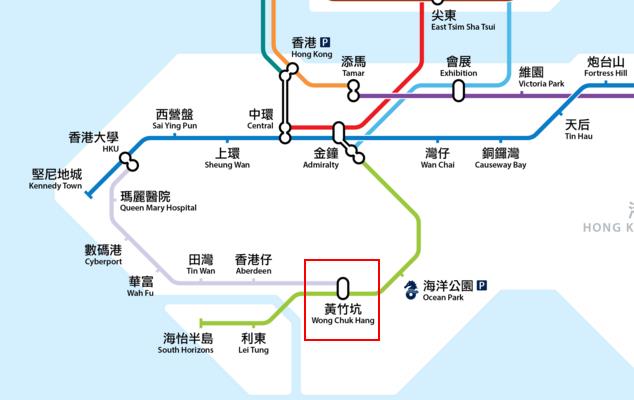
HK MTR Stations

Existing & Proposed MTR Stations, map by Wikimedia

Wong Chuk Hang, one of the most hip “undiscovered” neighborhoods in Hong Kong, is undergoing massive redevelopment thanks to a planned MTR Station. Just as galleries, artist studios, hidden coffee shops, and restaurants started emerging in recent years, the community is now facing rising rents and redevelopment pressures. Will WCH become another transient alternative neighborhood that will soon be overtaken by big developers? Continue reading

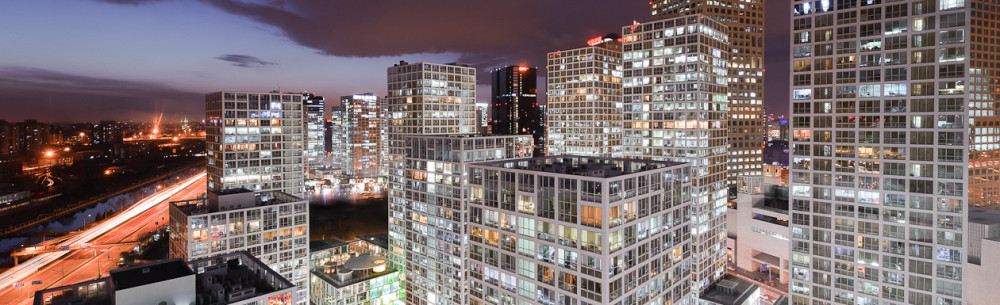
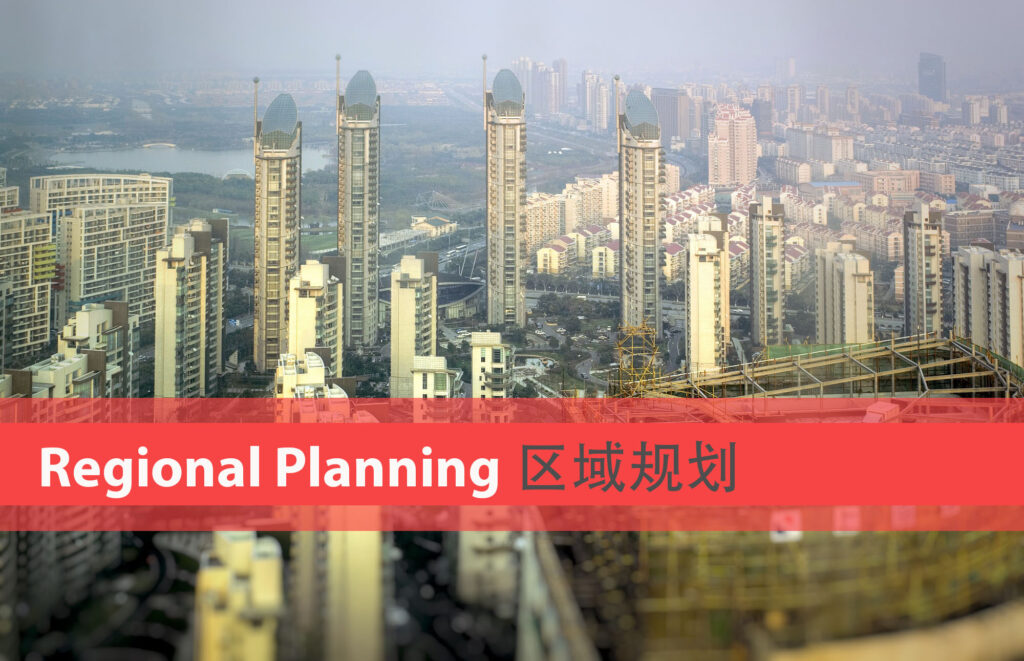
Solving Problems Across City Borders: Opportunities and Challenges to Regional Planning in China

CoverPhoto v2

Photo by Thomas Depenbusch / Photo edited by Author via CC BY


China is known for having a strong central government. In many ways, this perception is very true. Unlike countries like the United States which clearly delineate federal and local (state) powers, all governmental authority in China flows from the central government. Over the past several decades, however, the central government has gradually delegated power down to local governments. Local governments now have significant decision-making authority when developing policies.

Though decentralization has spurred economic growth, it has also brought challenges. In particular, there has been a rise in local protectionism, with local government officials focusing on growth in their own municipalities at the expense of surrounding areas.

The Chinese government increasingly needs to balance the priorities of central and local governments. Furthermore, many problems, including environmental protection, are just handled better on a regional rather than city level. As such, there has been significant growth in the rise of regional plans over the past decade. Continue reading