CHINA’S URBAN REVOLUTION: An Interview with British Architect Austin Williams

Image courtesy of Austin Williams

Very rare is it to meet a China expat in the architecture and design field who is as an astute observer of development trends as Austin Williams. Williams is a British architect and educator who came to China six years ago at the behest of the Xi’an Jiaotong-Liverpool University (XJTLU) in Suzhou to set up a new Architecture Department there.

Prior to making the move over to China, Williams was an editor of the Architects’ Journal and authored a series of books for the Royal Institute of British Architects (RIBA). He is currently working a new book, China’s Urban Revolution: Understanding Chinese Eco-Cities“, which is due out this October.

I had the pleasure of interviewing Williams recently about his experience in China and his observations of the country’s development. We also spoke a bit about his new book and how he is generally bullish about China’s ability to quickly clean up the environmental mess that has been generated through rapid development. Continue reading
Why China’s Cities Must Maintain Ties With the Countryside

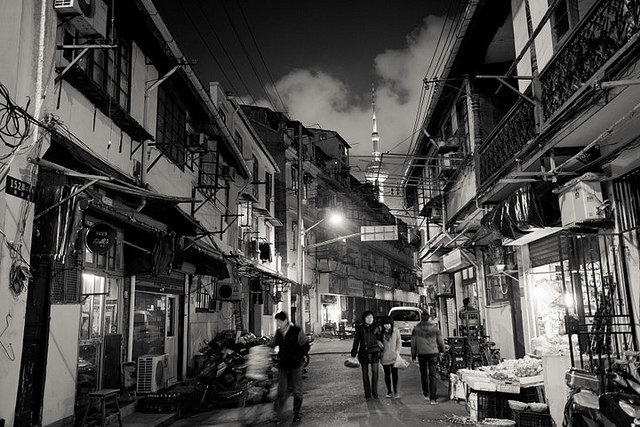
Shanghai Street

Shanghai Street. Photo by Henry Nee

This article by Harry den Hartog originally appeared at Sixth Tone.

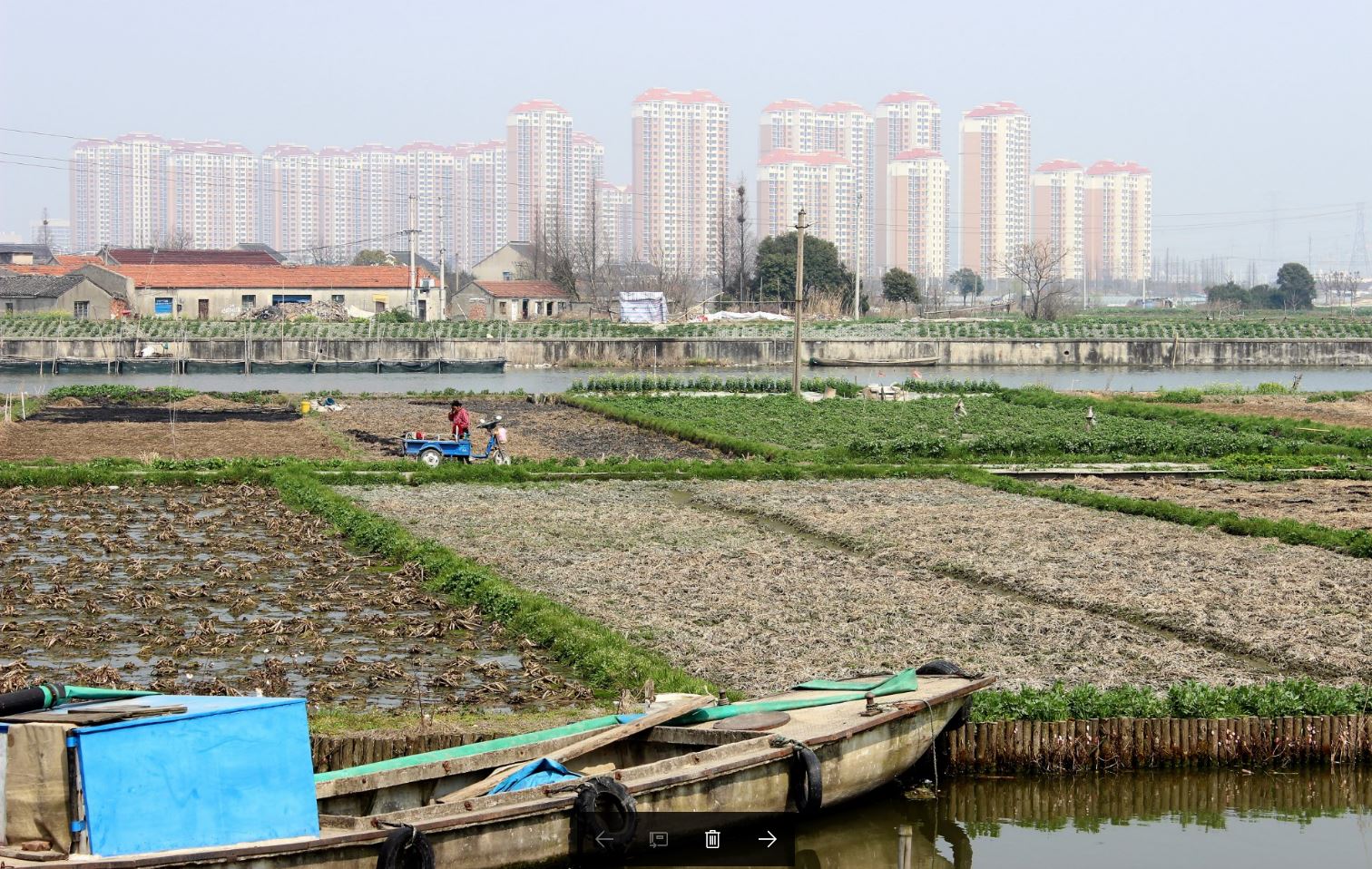
One of the first things that struck me when I came to Shanghai was the wide variety of lifestyles on every corner. Farmers just off the train from the countryside sat on sacks of rice beside elegant office ladies chatting away on cell phones. It reminded me of New York City: a melting pot where people from every section of society are thrown together each day. Continue reading

China Regional Urbanization Trends: 2014 Edition

OLYMPUS DIGITAL CAMERAThe Economist Intelligence Unit (EIU) shared with us their new study on “China’s Urban Dreams 2014” – an update on the country’s urbanization program. With all the uncertainty about China’s property sector in the news recently, this in depth analysis gives some clarity to the often murky topic of Chinese development.

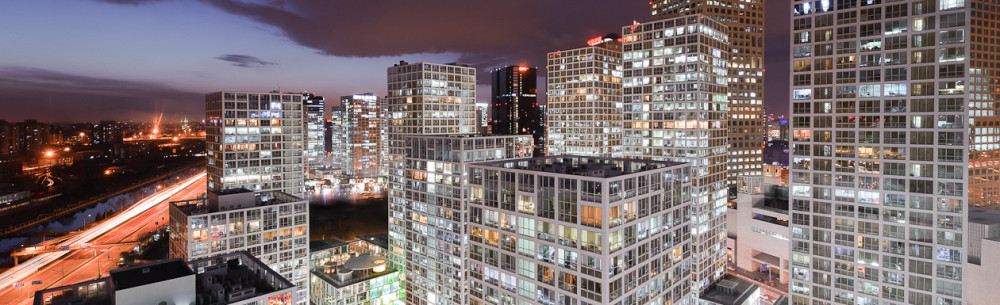
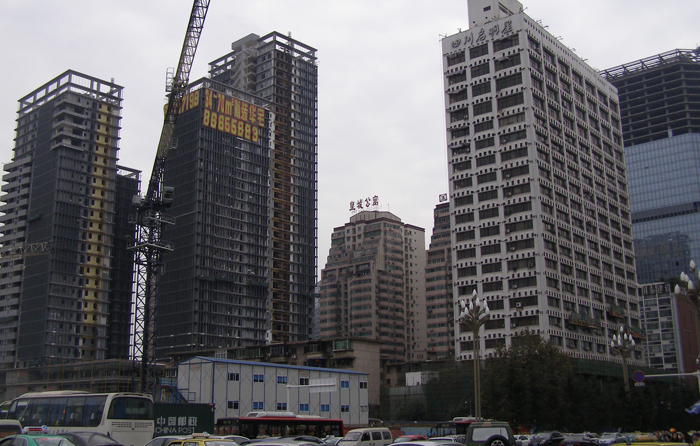
While Western media tends to paint China with one large brushstroke when discussing the country’s property sector, the reality is that real estate markets vary greatly from region to region. China, like the U.S., is a large, diverse country with many different cities and regions with varying strengths and weaknesses. If there is one takeaway from the EIU study, it’s that not all regions are created equally, and going forward, there are bound to be winners and losers. Continue reading

Organic Farming in China: Chengdu’s Anlong Village

With the ongoing spate of food safety scandals, Chinese consumers are rightly weary of the source and quality of their food. Unfortunately, food quality regulatory bodies in China remain unreliable and direct access to fresh food sources is limited for an increasingly urbanized populace. This is one of the great contradictions of China’s urban development: a country which for most of its history was majority agriculturally based is on the fast track to be one of the most urbanized nations in the world.

Status conscious Chinese urbanites would rather not associate with anything related to farming, as it evokes the recent memory of rural peasant life. For many upwardly mobile city dwellers, international restaurant chains like KFC, McDonalds and Pizza Hut are considered the best options for upper-class ‘healthy’ dining (that is, food with high caloric content).

The urban growth of China is a boon to these chains as more American consumers shun them in favor of a more organic, natural diet. The shift in American consumer preferences is reflected in the success of supermarket chain Whole Foods, local farmers markets, and the growing popularity of the Slow Food movement.

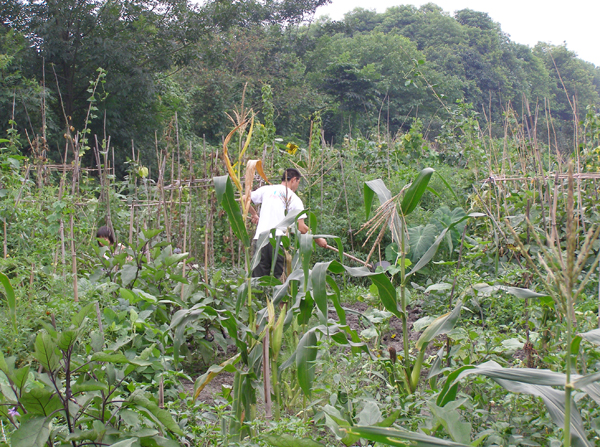
Given China’s new-found love affair with processed food and growing ambivalence about the role of agriculture, I was confident there was probably not much interest in organic farming. That was until I visited Anlong Village- a wholly organic, zero waste farm 50 km northwest of central Chengdu. With a full-time population of 3,000 residents, Anlong Village is sponsored by the Chengdu Urban Rivers Association (CURA), a local non-profit NGO. Continue reading

Go West Project at the Chengdu Biennale

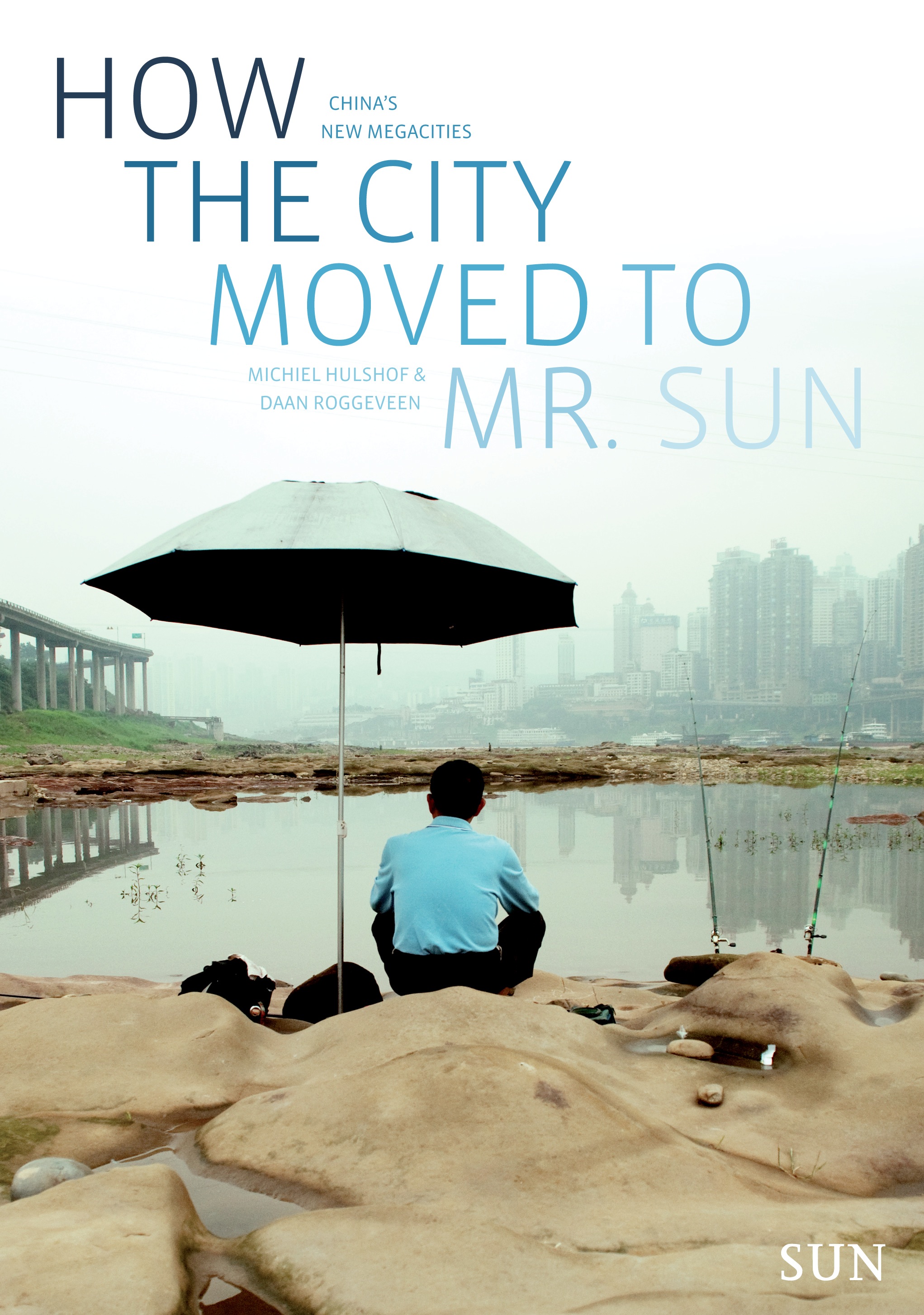
I had the privilege of sitting in on a round-table discussion led by the ‘Go West Project‘ at the Chengdu Biennale this past weekend. Go West Project is an independent think-thank based in Shanghai founded by two Dutch nationals, Michiel Hulshof, a journalist, and Daan Roggeveen, an architect. For the past two years, Hulshof and Roggeveen traveled around the country documenting the phenomenon of urbanization in China’s lesser-known cities (hence the name ‘Go West‘).

Their research culminated in a recently released book titled How the City Moved to Mr. Sun. The title refers to one of the several personal narratives they encountered in their travels. Mr. Sun, a corn farmer in a village on the outskirts of Shijiazhuang, capital of Hebei Province, saw his land seized by authorities nearly 20 years ago. Like many of the other villagers, he used the compensation money to develop his own 4-storey ‘mixed-use’ building complete with retail space on the ground floor, living space on the 2nd and 3rd floors and a small group of guestrooms for migrant workers on the 4th floor. On the roof, Mr. Sun created an organic garden to continue doing what he knew how to do best.

Inevitably, the pace of urbanization caught up to Mr. Sun once again, and after about a 10 year run of profitability, his self-developed building was razed by bulldozers. He reluctantly gave in and accepted compensation and now lives with his wife in a modern high-rise residential tower block where ‘he doesn’t know any of the neighbors’. Continue reading