How China’s ‘Mall Mania’ Destroys Local Communities

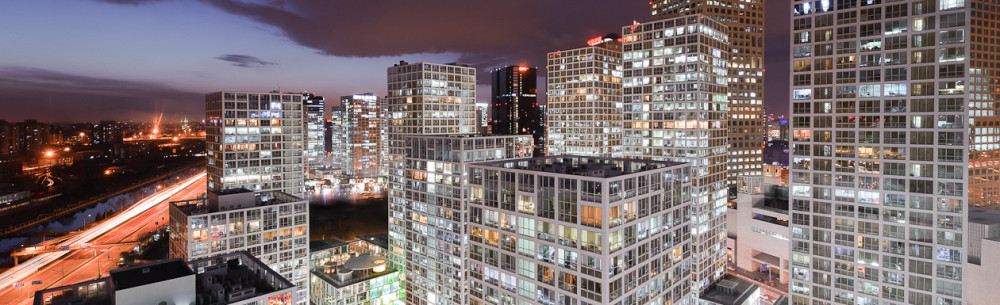
Photo by Adam Mayer

This article by Harry den Hartog originally appeared at Sixth Tone.

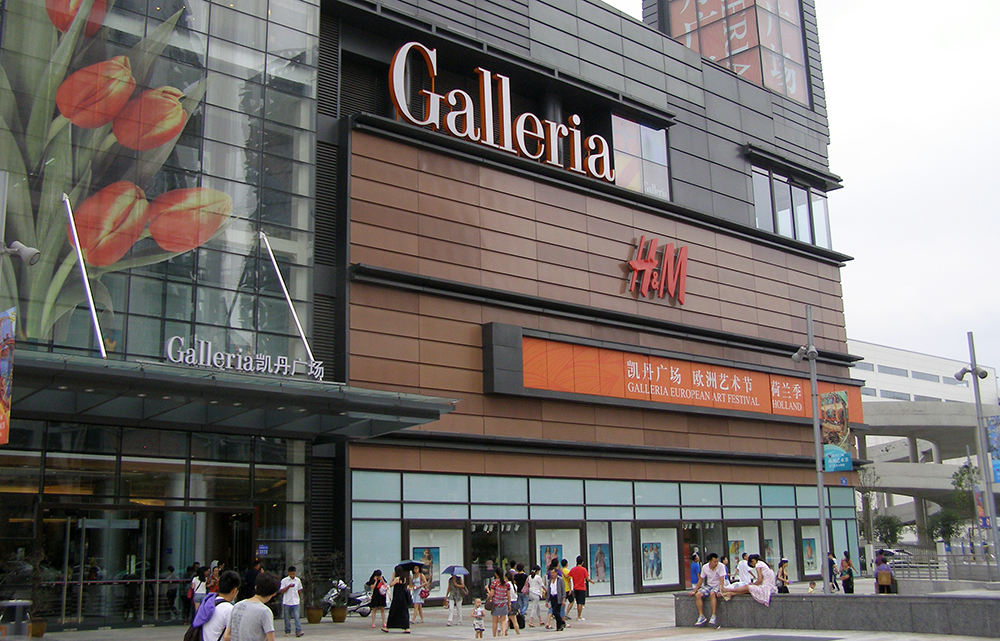
As early as 2002, the Dutch architect Rem Koolhaas noted how architectural spaces facilitated the urge to consume: “Shopping is arguably the last remaining form of public activity. Shopping has infiltrated, colonized, and even replaced almost every aspect of urban life. Town centers, suburbs, streets, and now airports, train stations, museums, hospitals, schools, and the internet are shaped by the mechanisms and spaces of shopping.” Continue reading

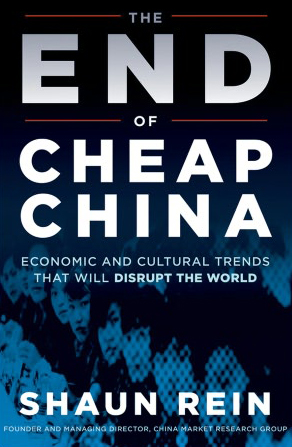
Book Review: “The End of Cheap China” by Shaun Rein

Sensationalist stories about China’s supposed looming economic collapse captivate international headlines. While these articles might be entertaining to read or talk about, they nevertheless perpetuate an inaccurate picture of an evolving Chinese economy. The really big China story is perhaps too mundane for editors looking for catchy headlines. That is, the emergence of the largest middle-class in the world- beginning with Deng Xiaoping’s reform and opening up in 1978 and still being written today.

Upon my own arrival to China nearly five years ago, it became clear fairly quick that the younger generations living in urban areas would not be content to continue working in low-wage factories and construction sites forever. Following a similar arc of modernization and urbanization that developed countries went through in the past, albeit at a much accelerated rate, China ambitiously aims to move up the value chain economically.

This development is not easily grasped for those who haven’t had the opportunity to invest significant time interacting with people on the ground in China. Luckily we have Shaun Rein and his book The End of Cheap China to tell us the story of China’s evolving trends. The book was released in 2012, but the predictions Rein makes are perhaps even more relevant today than when it originally came out two years ago. Continue reading

Vanke Jiugong Mixed-Use Development by SPARK Architects

0051_Vanke_Jiugong

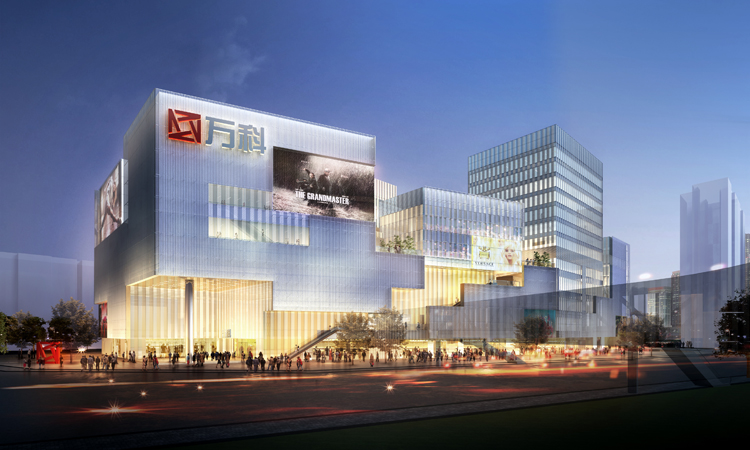
SPARK Architects have shared with us their award-winning design for a new mixed-use development in Beijing. Designed for Vanke in the city’s growing southern suburbs, the project is a mix of retail, leisure, entertainment and office programs.

Currently under construction, Vanke Jiugong is a continuation of SPARK’s investigations into the breaking up of the architectural mass of the shopping mall, and the forging of connections between ‘interiorized’ space and the city. The 127,000 sqm development will incorporate a mall, a cinema, three live-work towers, and a separate retail pavilion, with a pedestrian bridge connection to an adjacent train station. Continue reading

An Experience in Contrasts: Redevelopment in Beijing’s Historic Qianmen Neighborhood

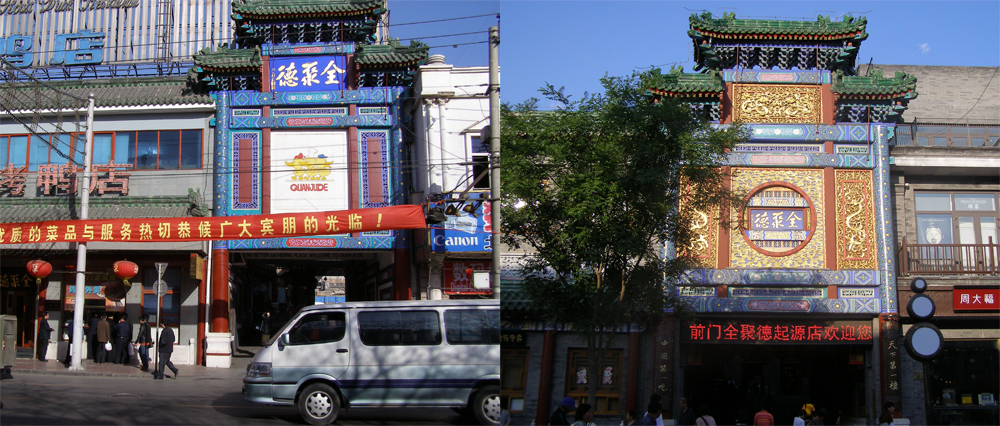
Before and After Photos of ‘Quanjude’, a famous Peking Duck Establishment in Qianmen Since 1864

It is a familiar narrative across China’s cities: historic districts routinely razed to make way for new developments comprised of high-rise residential communities and retail mixed-use complexes designed to reflect China’s 21st Century image.

Yet in some of China’s more high-profile historic neighborhoods, redevelopment is conceived to capture the spirit what was once previously on site by rebuilding in traditional Chinese architectural styles. ‘Tourist Streets’, as these kinds of developments are referred to by developers and government officials, are a hot project type in China- nearly every city wants one. They range from accurate recreations of China’s past to cheap pastiche. Continue reading

China and the Legacy of Steve Jobs

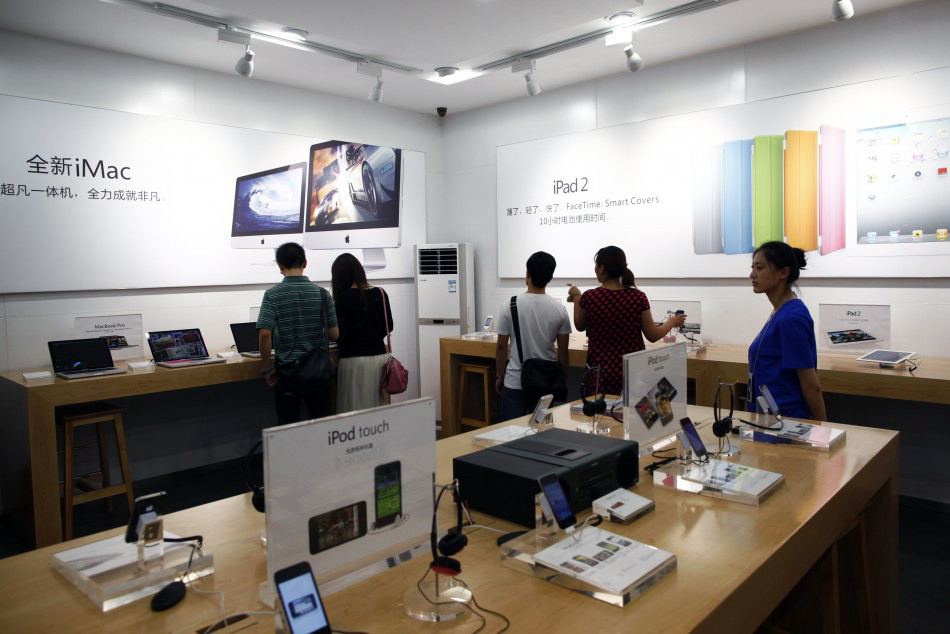
Fake ‘Apple Store’ in Kunming

It is not hard to understate the influence that Apple has had on China. If we examine the role the country plays in the supply-chain of Apple products, then China’s relationship with the company is undeniable. It is safe to say that without China’s contribution to the manufacturing and assembly process, Apple’s stylish products would be unaffordable to the average consumer around the globe.

That’s why last year when a string of suicides hit Foxconn, the company that manufactures products such as the iPad and iPhone, Steve Jobs was quick to announce that Apple would look into the working conditions. Jobs, a marketing genius, knew that negative PR associated with Foxconn would hurt Apple’s sleek and stylish image in the U.S.

What commentators in the U.S. failed to notice is the relative ambivalence of people in China regarding the Foxconn suicides. When I asked my Chinese colleagues what effect the incident had on their perception of Apple, they responded that there was absolutely none. Not only that, they defended Foxconn by saying that the rate of suicides among workers (there are tens of thousands of them) is not abnormal for society at large. Continue reading