CHINA’S URBAN REVOLUTION: An Interview with British Architect Austin Williams

Image courtesy of Austin Williams

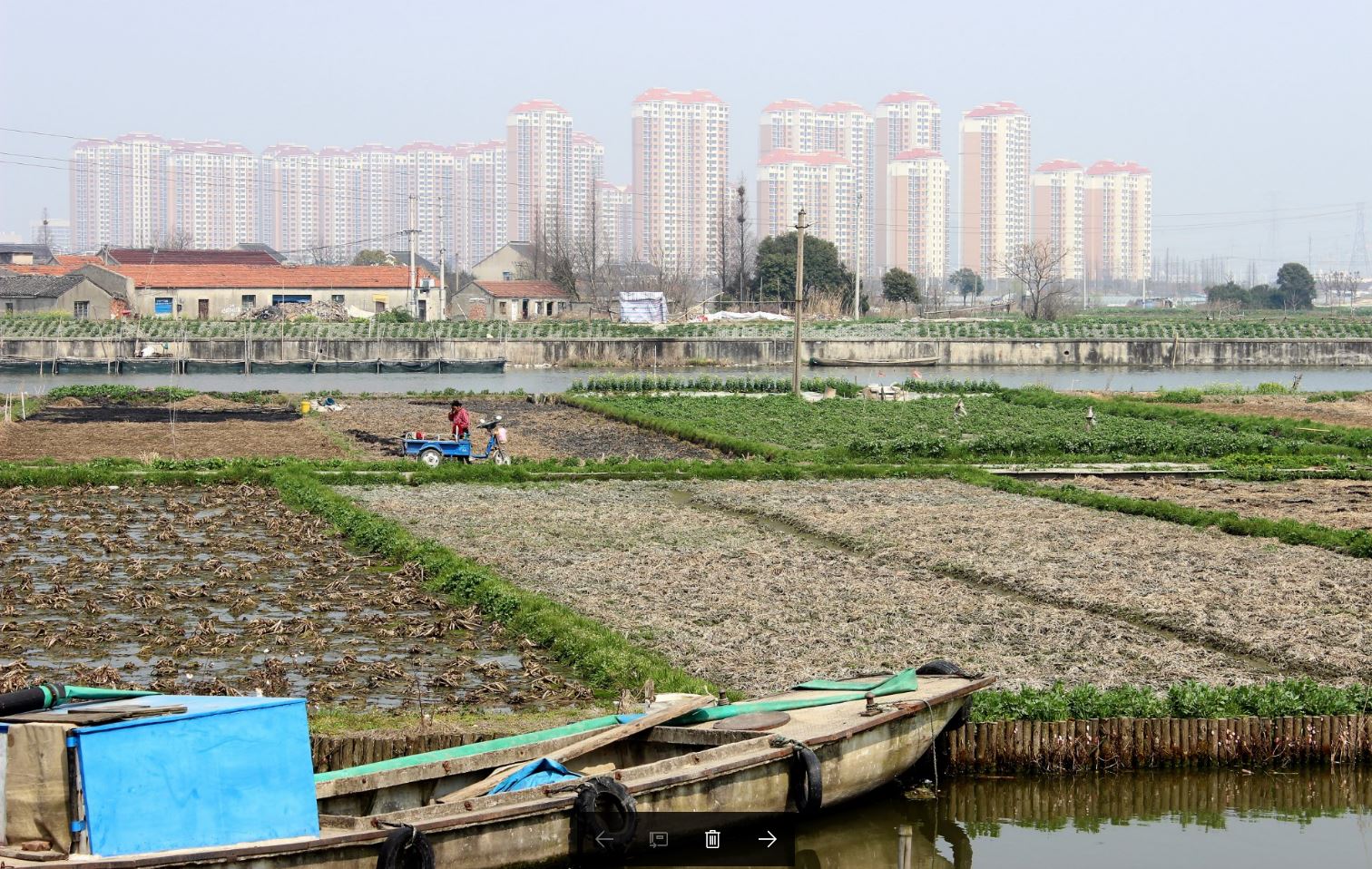
Very rare is it to meet a China expat in the architecture and design field who is as an astute observer of development trends as Austin Williams. Williams is a British architect and educator who came to China six years ago at the behest of the Xi’an Jiaotong-Liverpool University (XJTLU) in Suzhou to set up a new Architecture Department there.

Prior to making the move over to China, Williams was an editor of the Architects’ Journal and authored a series of books for the Royal Institute of British Architects (RIBA). He is currently working a new book, China’s Urban Revolution: Understanding Chinese Eco-Cities“, which is due out this October.

I had the pleasure of interviewing Williams recently about his experience in China and his observations of the country’s development. We also spoke a bit about his new book and how he is generally bullish about China’s ability to quickly clean up the environmental mess that has been generated through rapid development. Continue reading
SUPERDENSITY: An Interview with HASSELL Principal David Tickle

OLYMPUS DIGITAL CAMERAImage courtesy of HASSELL

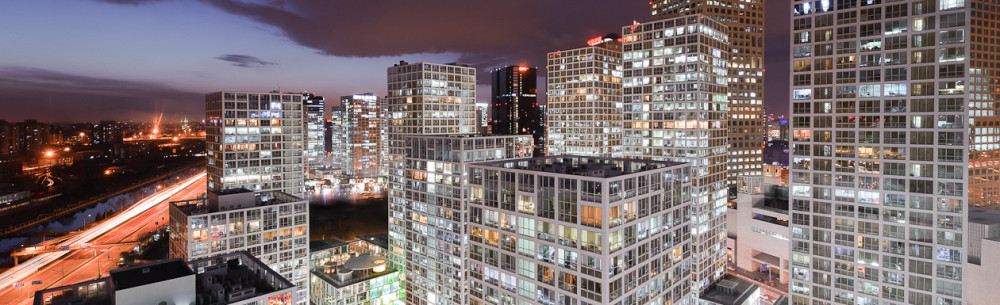
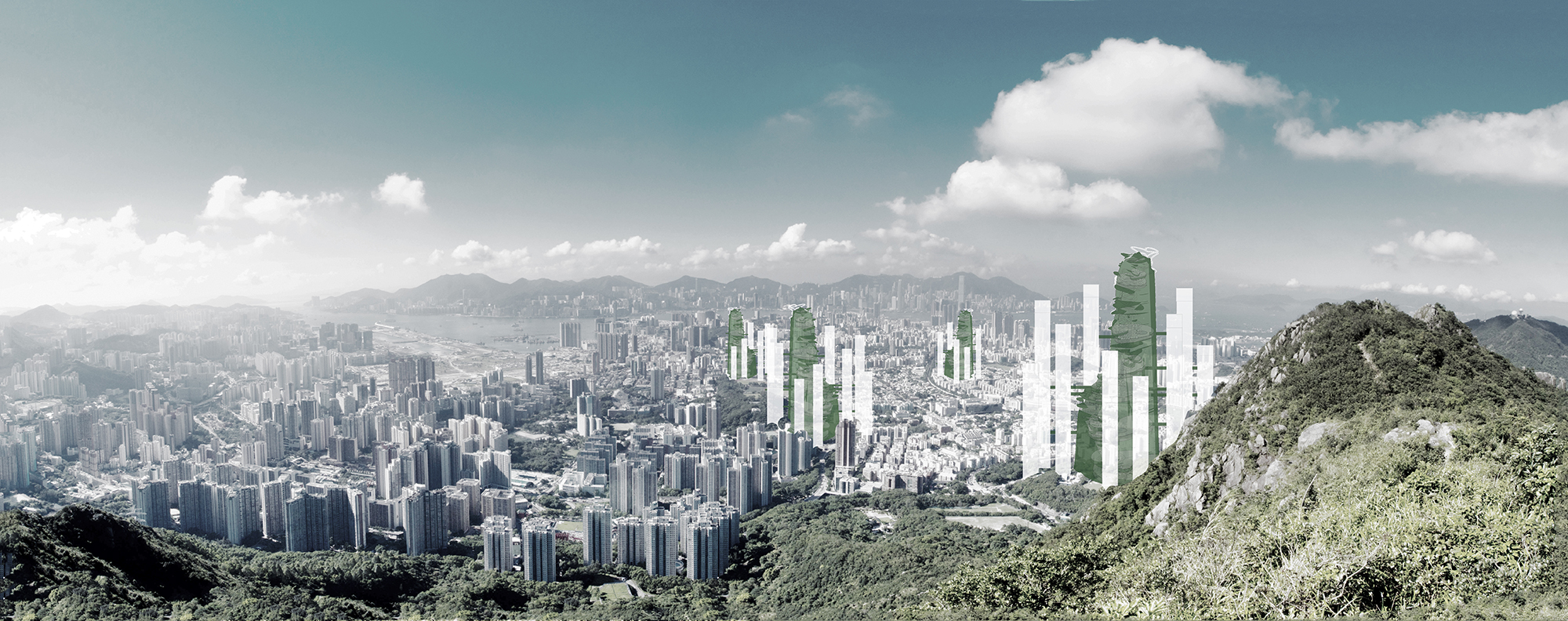
On my Twitter feed I recently came across a post about a new urban development concept called “SuperDensity” crafted by the international design practice HASSELL. Introduced by HASSELL Principal David Tickle at the 2016 Council for Tall Buildings and Urban Habitat International Conference in China this past October, SuperDensity is described as a “three-dimensional systems of open space, transport and resource utilization, inspired by the systems of the existing city”.

Having not attended the CTBUH talk and only seen a few provocative renderings of lush towers rising out of the Hong Kong skyline, I wanted to learn more about this proposal. David was a nice enough to answer a few questions for us and elaborate on the ideas that led to SuperDensity. Continue reading

Developers Draw Shanghai Residents Back to the Waterside

agence_ter_shanghai_berge_est_pudong42

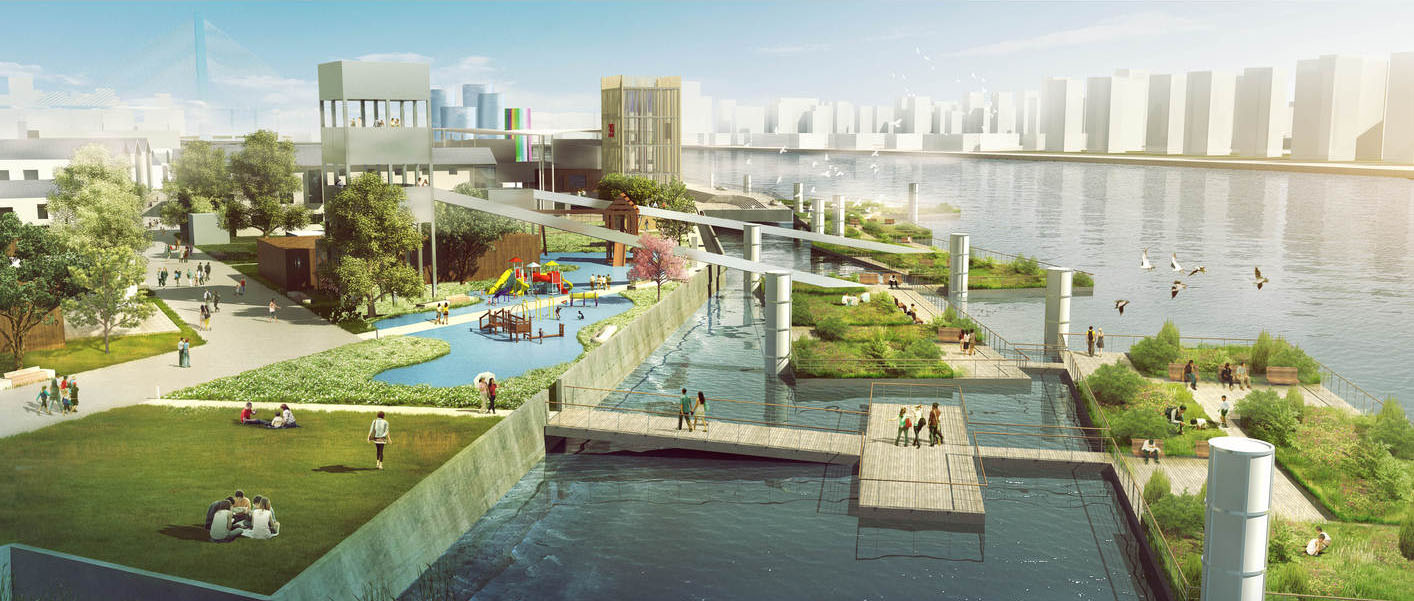
East Bund Waterfront Competition Proposal, Design by Agence Ter

This article by Harry den Hartog originally appeared at Sixth Tone.

Shanghai used to be a city crisscrossed by waterways, and dozens of street names still pay homage to the canals and creeks that run through its urban sprawl. Lying in the swampy Yangtze River Delta, this former fishing village witnessed an industrial boom following the establishment of its treaty port after the Opium Wars.

Though the city’s name literally translates as “on the sea,” these days the Yangtze’s immense forces of sedimentation have pushed the coastline well out of town. In addition, large-scale land reclamation projects since the 1950s have made great tracts of marshland suitable for human habitation, though with negative side effects for ecology and flood protection. Continue reading

Why China’s Cities Must Maintain Ties With the Countryside

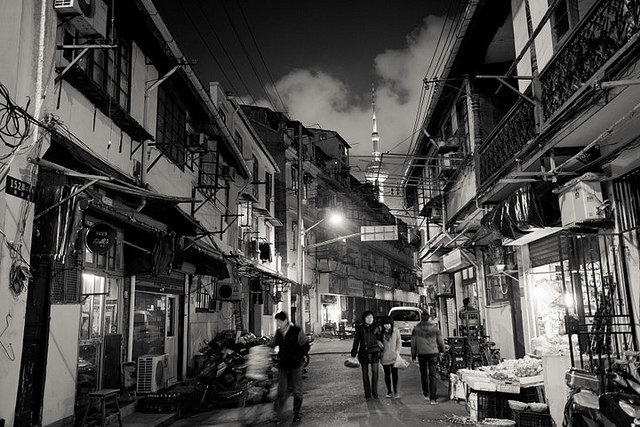
Shanghai Street

Shanghai Street. Photo by Henry Nee

This article by Harry den Hartog originally appeared at Sixth Tone.

One of the first things that struck me when I came to Shanghai was the wide variety of lifestyles on every corner. Farmers just off the train from the countryside sat on sacks of rice beside elegant office ladies chatting away on cell phones. It reminded me of New York City: a melting pot where people from every section of society are thrown together each day. Continue reading

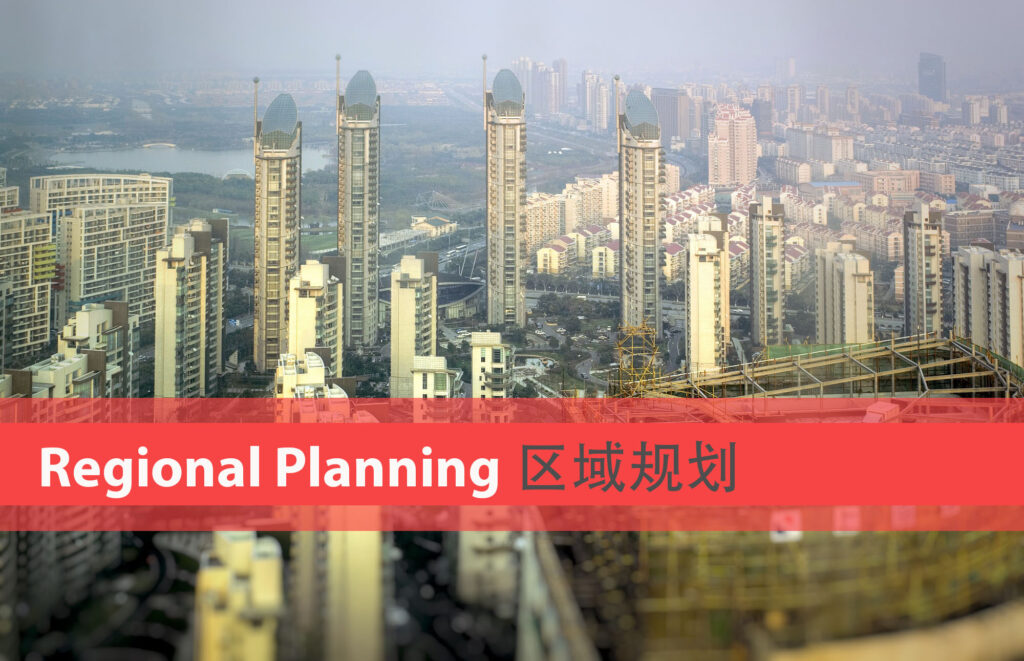
Solving Problems Across City Borders: Opportunities and Challenges to Regional Planning in China

CoverPhoto v2

Photo by Thomas Depenbusch / Photo edited by Author via CC BY


China is known for having a strong central government. In many ways, this perception is very true. Unlike countries like the United States which clearly delineate federal and local (state) powers, all governmental authority in China flows from the central government. Over the past several decades, however, the central government has gradually delegated power down to local governments. Local governments now have significant decision-making authority when developing policies.

Though decentralization has spurred economic growth, it has also brought challenges. In particular, there has been a rise in local protectionism, with local government officials focusing on growth in their own municipalities at the expense of surrounding areas.

The Chinese government increasingly needs to balance the priorities of central and local governments. Furthermore, many problems, including environmental protection, are just handled better on a regional rather than city level. As such, there has been significant growth in the rise of regional plans over the past decade. Continue reading