Interview With Ole Bouman, Curator of the 2013 Shenzhen Bi-City Biennale of Urbanism/Architecture

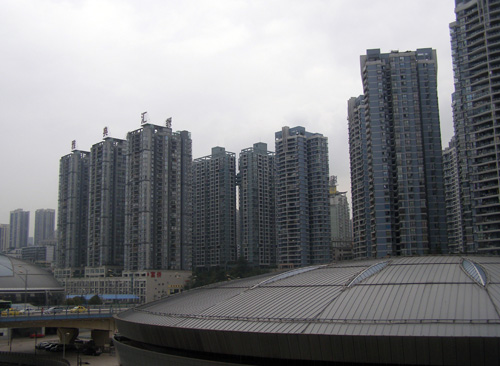
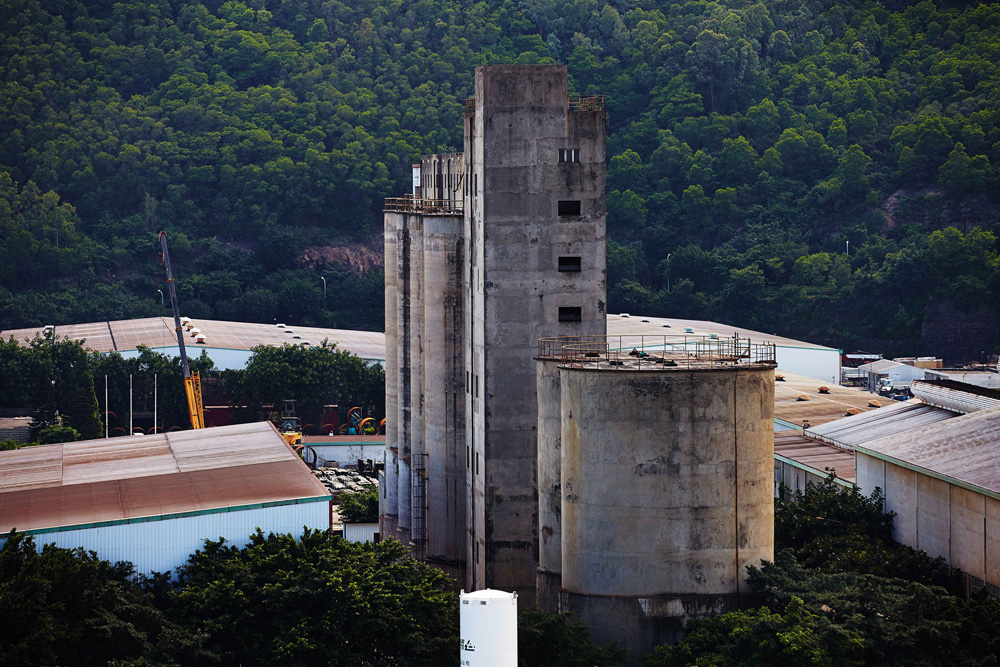
Value Factory 161The “Value Factory”: Site of the 2013 Bi-City Biennale of Urbansim/Architecture

The 2013 Bi-City Biennale of Urbanism/Architecture is now underway in Shenzhen and Hong Kong. Open until the end of February 2014, the event is the world’s only biennale exhibition based exclusively on the themes of urbanism and urbanization. Now in it’s 5th edition, the Bi-City Biennale takes place across one of the world’s most dynamic economic regions, exploring not only the dichotomy between Hong Kong and Shenzhen, but the larger issues facing urbanization in China (something this blog is always very excited about discussing).

The Creative Director for this year’s Bi-City Biennale is Dutch Curator Ole Bouman. Mr. Bouman answered a few questions about the Biennale for the CUD Blog discussing some of the relevant issues surrounding this year’s event: Continue reading
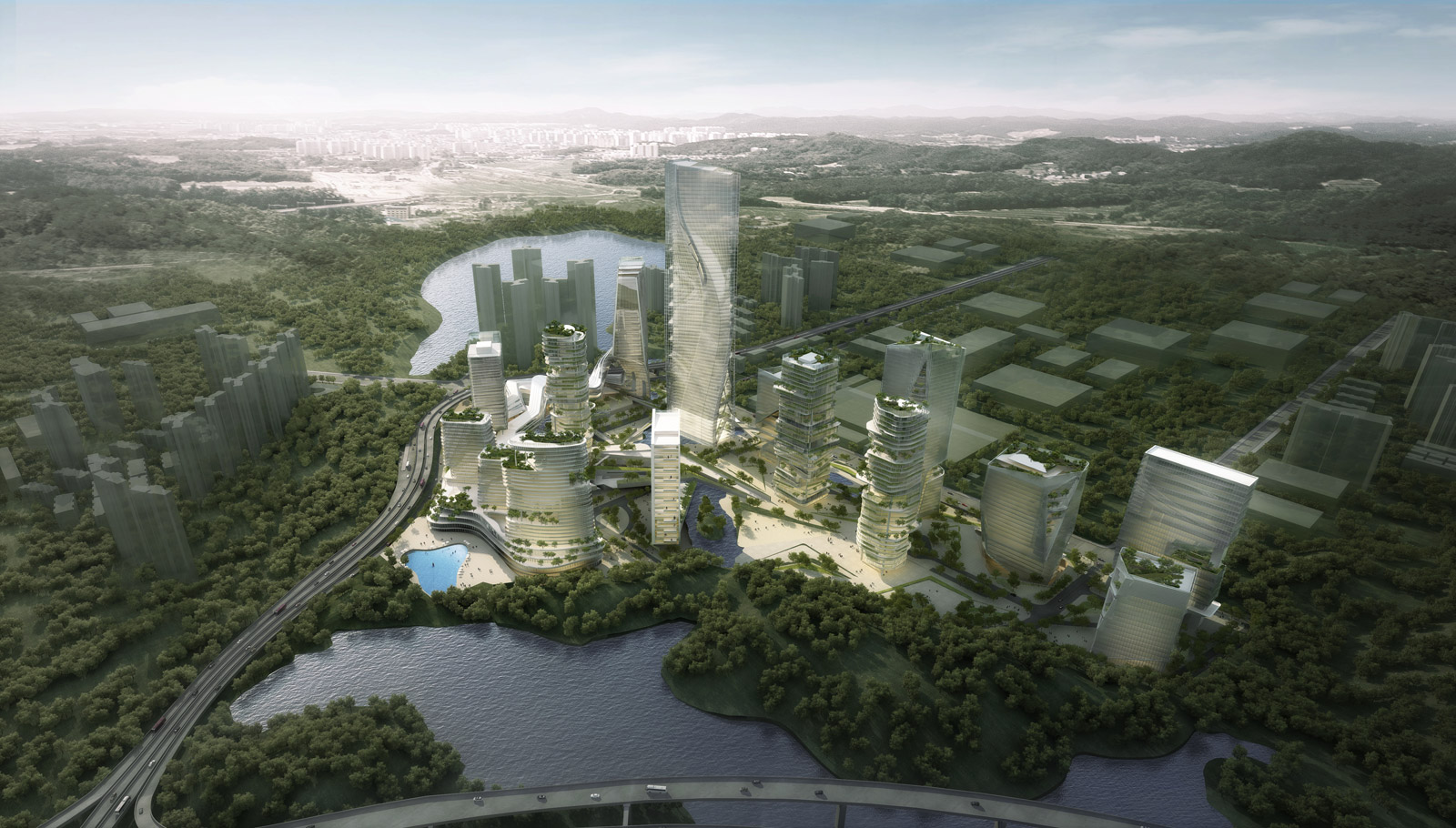
Shenzhen Surging: Yabao Hi-Tech Park by 10 Design

Shenzhen, China’s experimental Special Economic Zone, is often derided for its lack of history and culture. This is in no small part due to the fact that the city is essentially a boomtown that is more or less just over 30 years old. Yet making up for this drawback is the fact that the city has some of the most interesting and innovative new architecture being built in the country.

I was recently informed of a design for a compelling new project that fits the bill for Shenzhen’s growing stock of interesting buildings. The Yabao Hi-Tech Park is a new development by the Shenzhen-based Galaxy Group and designed by the architecture firm 10 Design. Continue reading

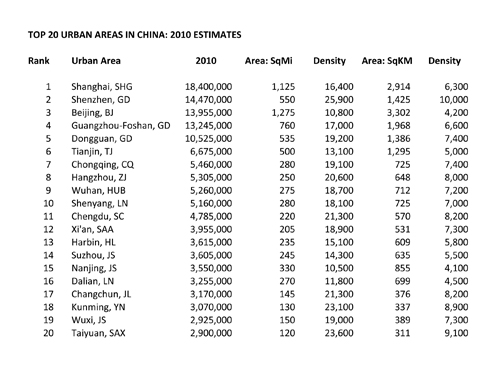
A Guide to China’s Rising Urban Areas

Source: Demographia World Urban Areas: Population & Projections: 6th Edition. http://demographia.com/db-worldua.pdf
 

I have a new piece up at NewGeography about China’s rising urban areas. Below is an excerpt from the introduction:

From a Rural to Urban Dispersion in the Middle Kingdom

China’s rise to economic prominence over the past 30 years has rested in large part to its rapid   urbanization. Prior to ‘reform and opening up’ that started in earnest during the 1970s, cities in China were viewed as pariahs by the party leadership. Millions of young urban dwellers were forced into the countryside to labor on farming communes during the Cultural Revolution. In stark contrast, today millions of rural migrants make their way to the city.

The scale at which this is happening is unprecedented. Currently, there are 85 metropolitan areas in China with more than 1 million people, compared to 51 in the US. By 2015, urban regions will account for half of China’s population and by 2025, the urban population’s share should reach about 75%. Continue reading

How China’s Megacities Have Avoided Problems of Other Developing Cities

Urbanist media can’t seem to get enough of the megacity these days. Much of the commentary surrounding this topic is disconcertingly celebratory about these leviathans despite such phenomena as overcrowding, high levels of congestion and sprawling slums.

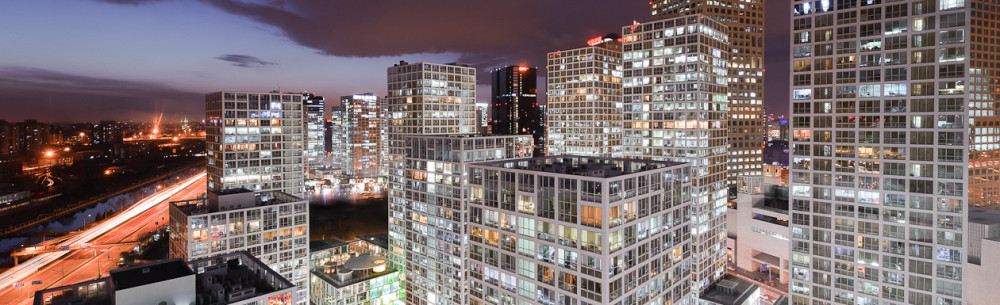
Yet absent from most of the commentary is any mention cities in China. This is perhaps due in large part to the lack of serious social problems in comparison to its developing city counterparts in other countries. If a megacity is defined as a city with a population of more than 10 million, then China is home to 5 megacities: Shanghai, Beijing, Shenzhen, Guangzhou and Dongguan. As the country continues to urbanize, more Chinese cities are bound to join the ranks of these megacities.

How has China been able to avoid the pitfalls facing other developing megacities? No one is denying that Chinese cities don’t have problems including unequal income distribution, pollution and growing traffic congestion. Yet China’s megacities seem to have largely avoided social dangers such as violent crime, disease and slum proliferation that plague urban areas of other developing countries.

Following I have identified five points as to how China’s cities have avoided these issues: Continue reading

Mega-City Semantics in the Pearl River Delta

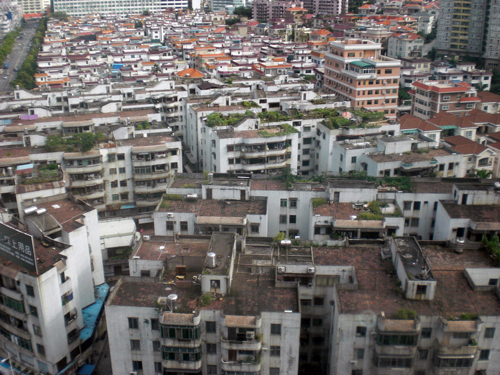
Dongguan Housing. Photo by livinginchina4now.

Several people have called my attention to a recent article from The Telegraph about China ‘creating the largest mega-city in the world with 42 million people‘. The title of the piece is a bit misleading as the government is not planning a new city per se, but rather combining a group of nearby cities into one huge ‘mega-city’. The targeted group of cities make up the Pearl River Delta region in China’s southern Guangdong Province.

Home to China’s famous first tier cities Guangzhou and Shenzhen, the Pearl River Delta is already one of the most populated places on earth. It is the manufacturing powerhouse of the country, thanks in large part to it being the first economically liberalized region after Reform and Opening Up. As a result of this, the Pearl River Delta has absorbed ambitious migrants from all over China for  the better part of three decades. Continue reading