China’s Overheated Real Estate Market

Photo by 发课 吴

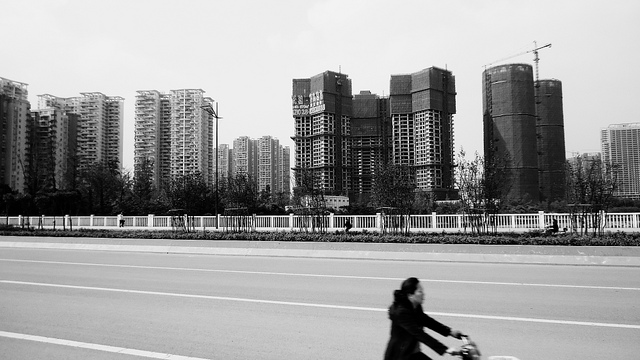
Since the end of 2015, property values have been heating up throughout China. In over 15 cities, home prices increased over 20% since September 2015. Although home prices have been steadily climbing for over a decade, the past year recorded the largest jump since 2010.

Home prices in Shanghai, Shenzhen, and Dongguan recorded over a 40% (source in Chinese) increase in less than a year, which makes property value in China’s largest cities comparable to international hubs such as New York and London. However, home buyers do not get nearly the value for their money. Homeowners in China only enjoy the right to use the property on long lease terms. Most residential property contracts grant a 70-year right of use, and the policy for renewal terms has not yet been clarified. These lease terms not only determine the limited rights of owning a home, but also dictate the quality of construction. Continue reading
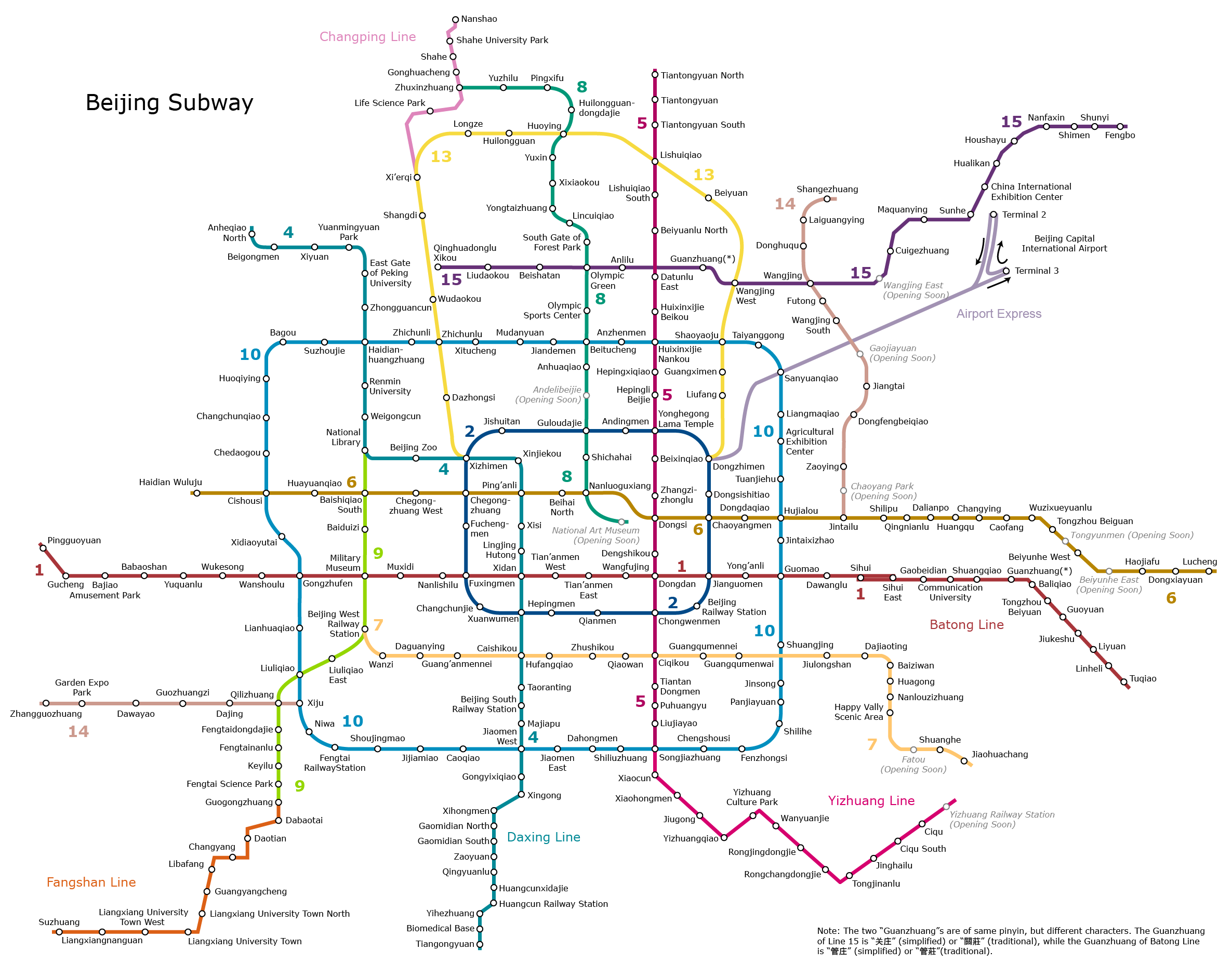
Are Chinese Subway Systems the New American Interstate?

Beijing-Subway_enBeijing Subway Map

It is virtually impossible not to marvel at China’s new subway systems after spending some time in a city like Beijing or Shanghai. The relatively new subway systems allow for convenient and affordable (albeit crowded) way to travel around these cities. These infrastructure investments will certainly leave a lasting impact on Chinese cities for years to come, but what will this legacy be? Continue reading

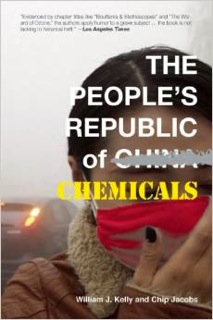
Q&A With Author of “The People’s Republic of Chemicals”

PRC cover

Nothing threatens the stability of China’s economic miracle more than the hazardous levels of pollution generated by rapid development. The rise of the private automobile, unregulated toxic factories, and the widespread use of coal-burning as an energy source have all contributed to environmental degradation across China’s cities. While in the past, these issues were swept under the rug in favor of economic growth at all costs, the rise in living standards means that China’s leadership can no longer ignore the concerns of the people they serve.

China is now at a crucial turning point where economic goals must be balanced with considerations for the environment going forward. This is not an easy problem to tackle and the solution will require a global effort.

The new book The People’s Republic of Chemicals serves as an excellent starting point in understanding how China’s pollution problem got so out of hand in the first place and what can be done to stop it (or at least slow it down). The book’s co-authors, William Kelly and Chip Jacobs, are appropriate storytellers having together written the 2008 book Smogtown about the rise and fall of pollution in mid-century Los Angeles.

William took the time to answer some questions for us about their new book:

Continue reading

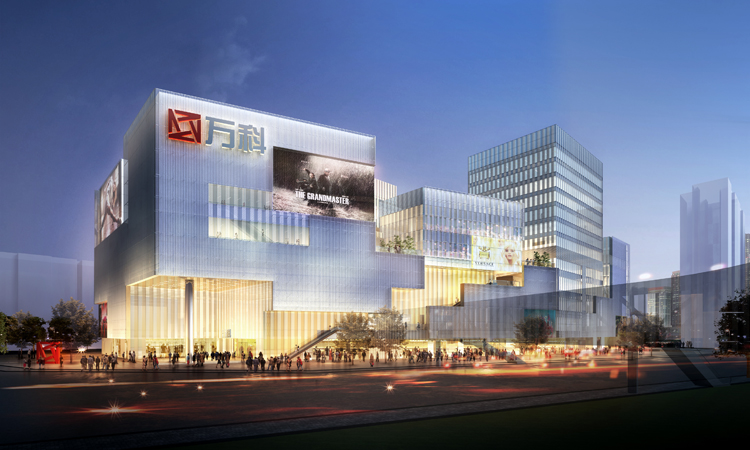
Vanke Jiugong Mixed-Use Development by SPARK Architects

0051_Vanke_Jiugong

SPARK Architects have shared with us their award-winning design for a new mixed-use development in Beijing. Designed for Vanke in the city’s growing southern suburbs, the project is a mix of retail, leisure, entertainment and office programs.

Currently under construction, Vanke Jiugong is a continuation of SPARK’s investigations into the breaking up of the architectural mass of the shopping mall, and the forging of connections between ‘interiorized’ space and the city. The 127,000 sqm development will incorporate a mall, a cinema, three live-work towers, and a separate retail pavilion, with a pedestrian bridge connection to an adjacent train station. Continue reading

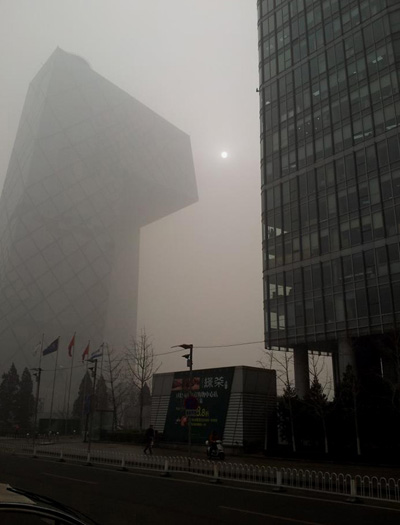
Urban Creative Culture, Air Quality and the Tragedy of Beijing

Beijing_Pollution

Like many foreign travelers and working expats who arrive to China, Beijing was my first port of entry into the country. Leaving Capital Airport I was struck by the massive scale of the city, overwhelmed by the repetitive concrete towers standing like regimented rows of soldiers in the skyline. Beijing’s urban form is undoubtedly inspired by the Soviet-era tendency towards grandiose urban planning schemes, but as I would come to learn the story on the ground painted a different, much more vibrant picture of urban life.

Beijing is not a city that one can fully appreciate in the matter of just a few days visiting the famous historical sites. In the space between gigantic attractions like The Forbidden City, Temple of Heaven, and Summer Palace, a modern grassroots culture thrives. Underground rock clubs, artist studios and independent coffee shops coexist in what’s left of old hutong neighborhoods as well as reclaimed industrial spaces on the periphery of the city center.

The notion of a burgeoning arts scene would seem to run counter to what many outside China still think of the city: that is, the seat of an oppressive Communist government devoted to quashing all personal freedoms. Although Chairman Mao’s portrait still looks ominously over Tiananmen Square, the perception of Beijing as a cultural desert couldn’t be further from the truth. Continue reading