CHINA’S URBAN REVOLUTION: An Interview with British Architect Austin Williams

Image courtesy of Austin Williams

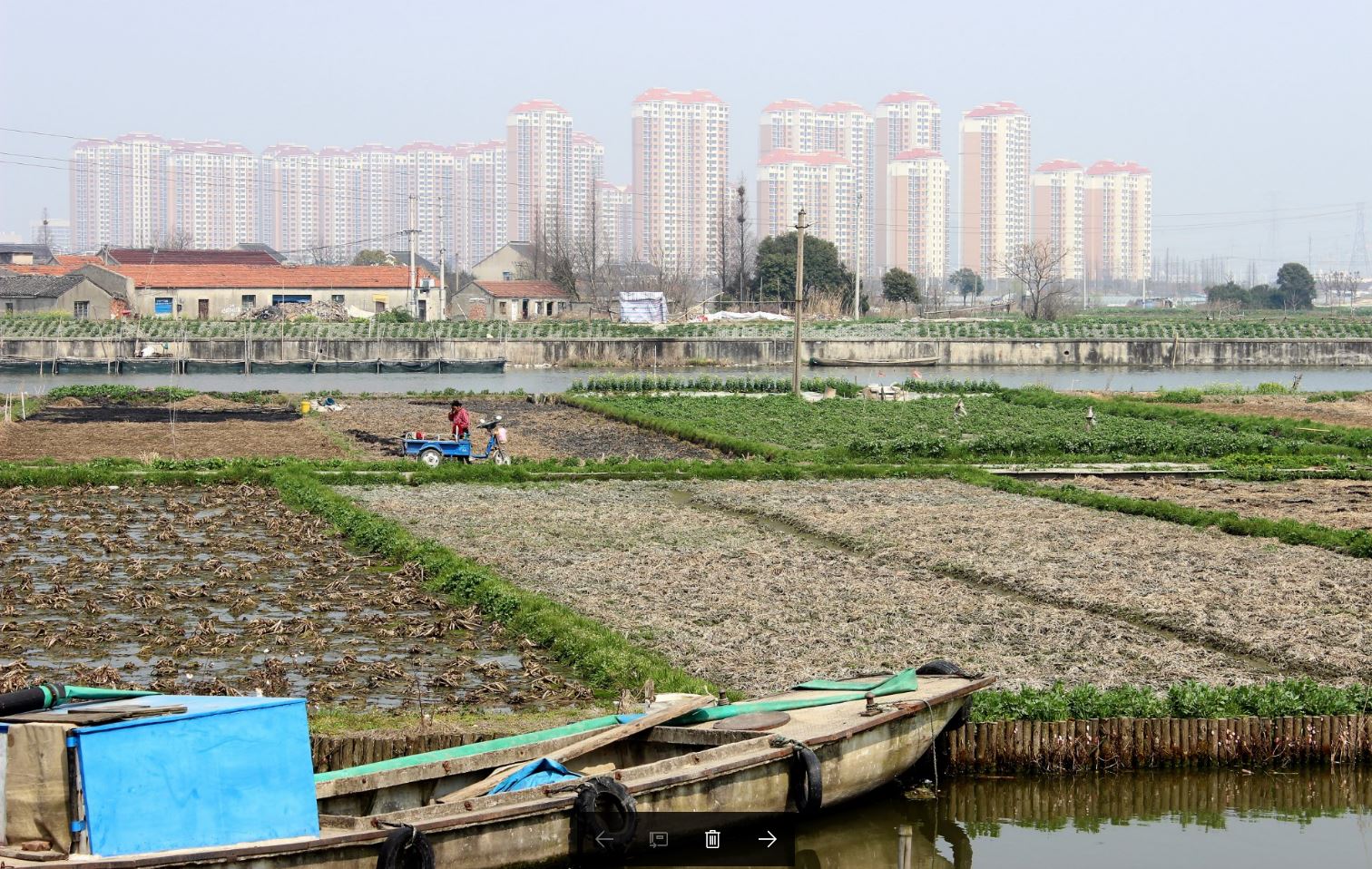
Very rare is it to meet a China expat in the architecture and design field who is as an astute observer of development trends as Austin Williams. Williams is a British architect and educator who came to China six years ago at the behest of the Xi’an Jiaotong-Liverpool University (XJTLU) in Suzhou to set up a new Architecture Department there.

Prior to making the move over to China, Williams was an editor of the Architects’ Journal and authored a series of books for the Royal Institute of British Architects (RIBA). He is currently working a new book, China’s Urban Revolution: Understanding Chinese Eco-Cities“, which is due out this October.

I had the pleasure of interviewing Williams recently about his experience in China and his observations of the country’s development. We also spoke a bit about his new book and how he is generally bullish about China’s ability to quickly clean up the environmental mess that has been generated through rapid development. Continue reading
SUPERDENSITY: An Interview with HASSELL Principal David Tickle

OLYMPUS DIGITAL CAMERAImage courtesy of HASSELL

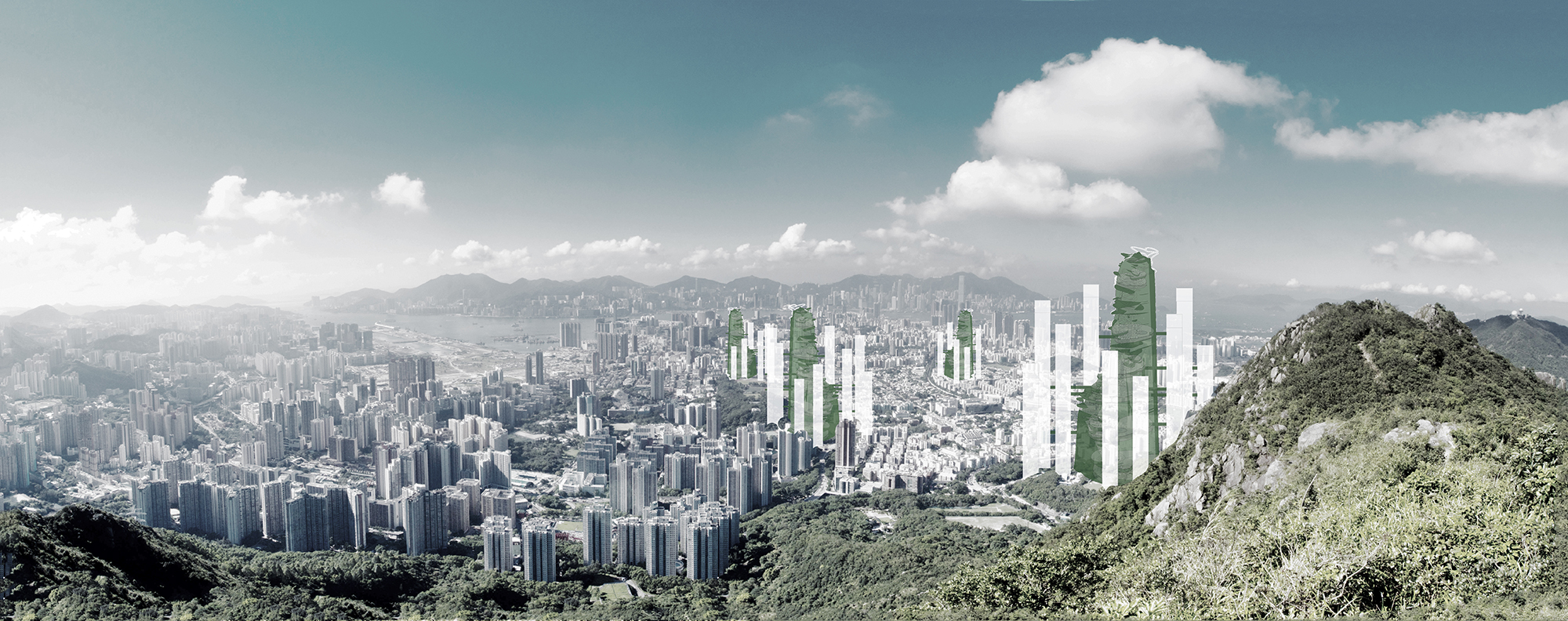
On my Twitter feed I recently came across a post about a new urban development concept called “SuperDensity” crafted by the international design practice HASSELL. Introduced by HASSELL Principal David Tickle at the 2016 Council for Tall Buildings and Urban Habitat International Conference in China this past October, SuperDensity is described as a “three-dimensional systems of open space, transport and resource utilization, inspired by the systems of the existing city”.

Having not attended the CTBUH talk and only seen a few provocative renderings of lush towers rising out of the Hong Kong skyline, I wanted to learn more about this proposal. David was a nice enough to answer a few questions for us and elaborate on the ideas that led to SuperDensity. Continue reading

Vanke Jiugong Mixed-Use Development by SPARK Architects

0051_Vanke_Jiugong

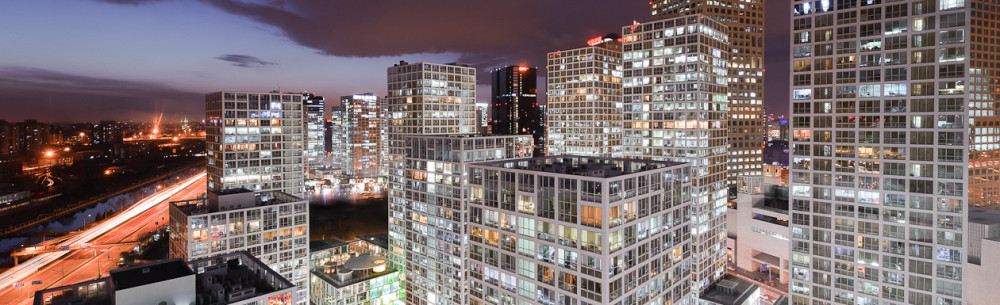
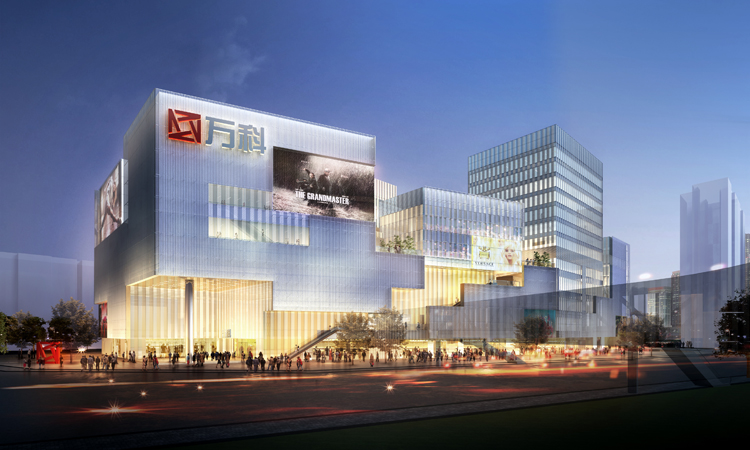
SPARK Architects have shared with us their award-winning design for a new mixed-use development in Beijing. Designed for Vanke in the city’s growing southern suburbs, the project is a mix of retail, leisure, entertainment and office programs.

Currently under construction, Vanke Jiugong is a continuation of SPARK’s investigations into the breaking up of the architectural mass of the shopping mall, and the forging of connections between ‘interiorized’ space and the city. The 127,000 sqm development will incorporate a mall, a cinema, three live-work towers, and a separate retail pavilion, with a pedestrian bridge connection to an adjacent train station. Continue reading

China In Africa: An Interview With Go West Project

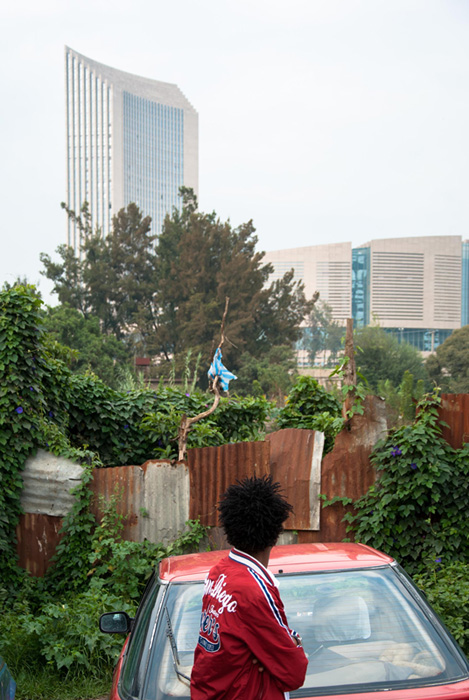
African Union Building A local looks up at the new African Union Headquarters in Addis Ababa, Ethiopia. The complex was funded entirely by Chinese money. Photo Credit: Go West Proejct

In 2009, China surpassed the U.S. to become Africa’s single largest trading partner. Yet the burgeoning relationship between China and Africa is no ordinary trading arrangement. Rather than colonizing the continent as Western powers did in the past century, China is trading infrastructure development and urbanization expertise for access to Africa’s vast natural resources. This re-balancing of trade has yet to be studied in depth as it is probably too early to tell what the impact of China’s involvement in Africa will have on the broader world’s economy.

What we can observe is the immediate impact China is having on Africa’s urban development. Luckily we have Dutch researchers Michiel Hulshof and Daan Roggeveen of the emerging cities think-tank Go West Project to explain to us what is happening on the ground.

I first met Hulshof (a journalist) and Roggeveen (an architect) at the 2011 Chengdu Biennale where they presented their research on China’s developing western metropolises (hence the name of their think-tank). Their research culminated in the book How the City Moved to Mr. Sun – China’s New Megacities (2011), which looks beyond the so-called 1st Tier cities of Beijing and Shanghai to tell the story of urbanization in the country’s heartland.

Now Hulshof and Roggeveen are looking even further, beyond China’s borders, to study what the Chinese urbanization experiment means for Africa’s cities. They were kind enough to take the time to answer some questions for us about their initial research: Continue reading

Interview With Ole Bouman, Curator of the 2013 Shenzhen Bi-City Biennale of Urbanism/Architecture

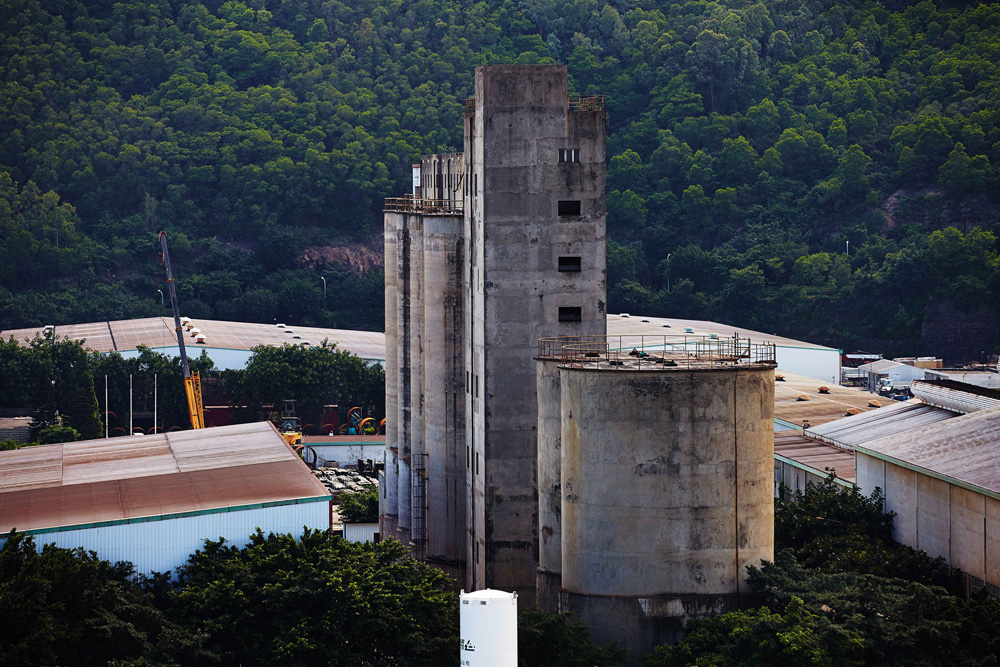
Value Factory 161The “Value Factory”: Site of the 2013 Bi-City Biennale of Urbansim/Architecture

The 2013 Bi-City Biennale of Urbanism/Architecture is now underway in Shenzhen and Hong Kong. Open until the end of February 2014, the event is the world’s only biennale exhibition based exclusively on the themes of urbanism and urbanization. Now in it’s 5th edition, the Bi-City Biennale takes place across one of the world’s most dynamic economic regions, exploring not only the dichotomy between Hong Kong and Shenzhen, but the larger issues facing urbanization in China (something this blog is always very excited about discussing).

The Creative Director for this year’s Bi-City Biennale is Dutch Curator Ole Bouman. Mr. Bouman answered a few questions about the Biennale for the CUD Blog discussing some of the relevant issues surrounding this year’s event: Continue reading