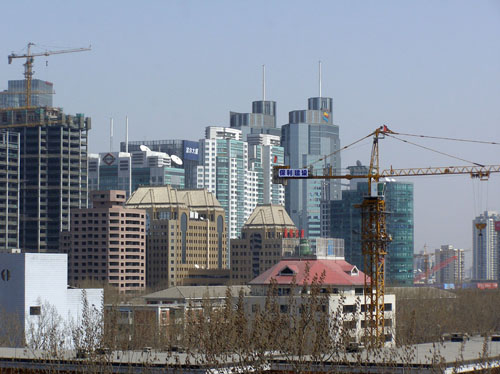

Chengdu and Chongqing Leading the Way in Hukou Reform

The hukou system, or household registration system, is a method of accounting for the country’s population by requiring each citizen to officially register his or her place of residence.

Possessing an urban hukou in a large city means that one is an official ‘resident’ of that city and eligible to receive benefits such as  access to medical insurance and education as well as the right to purchase property. This poses a problem for the floating population of rural migrants to cities who are not afforded similar benefits due to their lack of an official urban hukou.

Given the difficulty rural migrants have in obtaining an urban hukou, most have no incentive to settle in a city once their period of work is finished. This means that until the system is reformed, rural migrants will always have one foot in the big city and one foot back in the village. Continue reading
Urbanizing Towards a Clean and Sustainable Future

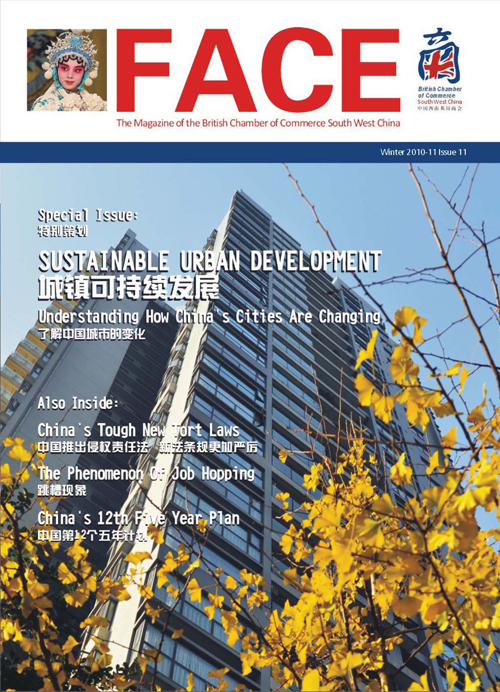
An article I wrote about the sustainable development in China’s cities was recently published in the Winter 2010/2011 Issue of the British Chamber of Commerce South West China Magazine “Face“. The piece examines the historical context under which China’s cities are currently developing and looks at some of the important decisions being made  by civic leaders, arguing that they will ultimately prove to be beneficial in the long-run.

For the readers of the China Urban Development Blog, here is a reproduction of the original piece: Continue reading

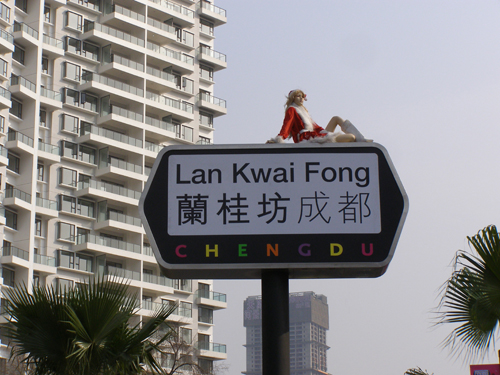
Lan Kwai Fong Entertainment District Opens in Chengdu

Lan Kwai Fong, the trendy bar district in Hong Kong, has been the island’s premier nightlife spot for the better part of three decades. Developed by Canadian investor Allan Zeman, the small collection of hilly streets above Hong Kong’s Central is an energetic zone of debauchery.

Not long ago, Chengdu, a city well-known for its love of leisure, recruited Zeman and his brand of cosmopolitan nightlife to collaborate on opening a Lan Kwai Fong location in the provincial capital. Given the city’s reputation, Zeman readily agreed and chose a site next to the Funan River in the city’s burgeoning Central Business District. Continue reading

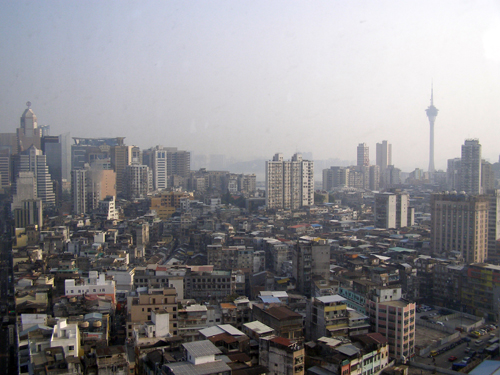
Macau Housing Prices Rising Fast

Like the rest of China, Macau is witnessing an ascent in its housing prices. According to Bloomberg, “Macau home prices may rise as much as 20 percent this year as the city’s economy benefits from an expanding casino industry.”

Even though Macau has seen the construction of some high-profile new Casino/Hotels in recent years, the small Special Administrative Region and former Portuguese colony is saddled with an out-of-date housing stock. Yet with rising local incomes due to the booming casino industry and the immigration of workers from Mainland China and neighboring Asian countries, Macau needs to build more new housing units to keep pace with demand.

If demand is not met, housing prices risk skyrocketing to levels that would be unaffordable for local Macanese and immigrant hospitality workers.

Bloomberg: Macau Home Prices May Gain Up to 20% This Year on Casino Growth

Too Good To Be True: Architecture Scams in China

Architecture professionals across the world are entranced by the building boom taking place in China. The urbanization of China’s cities has been a lucrative opportunity for several foreign firms. With the global economic recession freezing construction activity in most Western countries, more architects are looking to China as a panacea for the lack of new work.

Being an American architecture design professional working in China, I get asked often about opportunities for foreign architects eager to break into the local market. My advice always starts by suggesting  to leave preconceived notions about doing business in China behind and approach opportunities with a very open mind. Furthermore, despite the perception that China’s building boom is a free-for-all, the reality is that penetrating the market and getting commissions is not as easy as it seems. Continue reading