9/11, China and the Enduring Symbolic Power of the Skyscraper

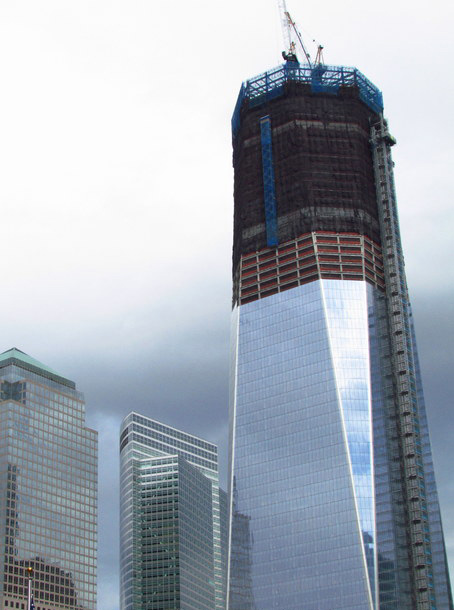
1 World Trade Center Rising in Lower Manhattan
Now that it has been about a month since the 10 year anniversary of the 9/11 attacks in the U.S., I have had some time to reflect on the enduring significance of the skyscraper. With One World Trade Center finally starting to form a new image in the Manhattan skyline, we see that in spite of protestations to building such a tower on sacred ground, construction crews move ahead to realize what will perhaps be the city’s most ambitious project in years. Some question why it has taken so long to get to this point while others still see the entire rebuilding effort as an affront to the memory of tragedy. Continue reading

Go West Project at the Chengdu Biennale

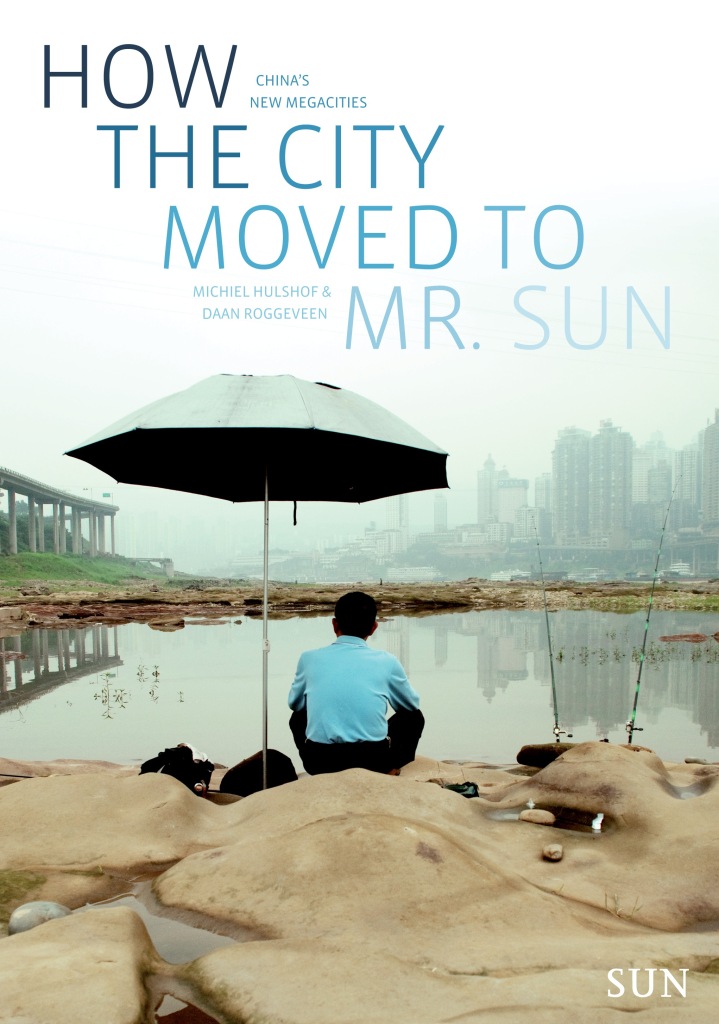
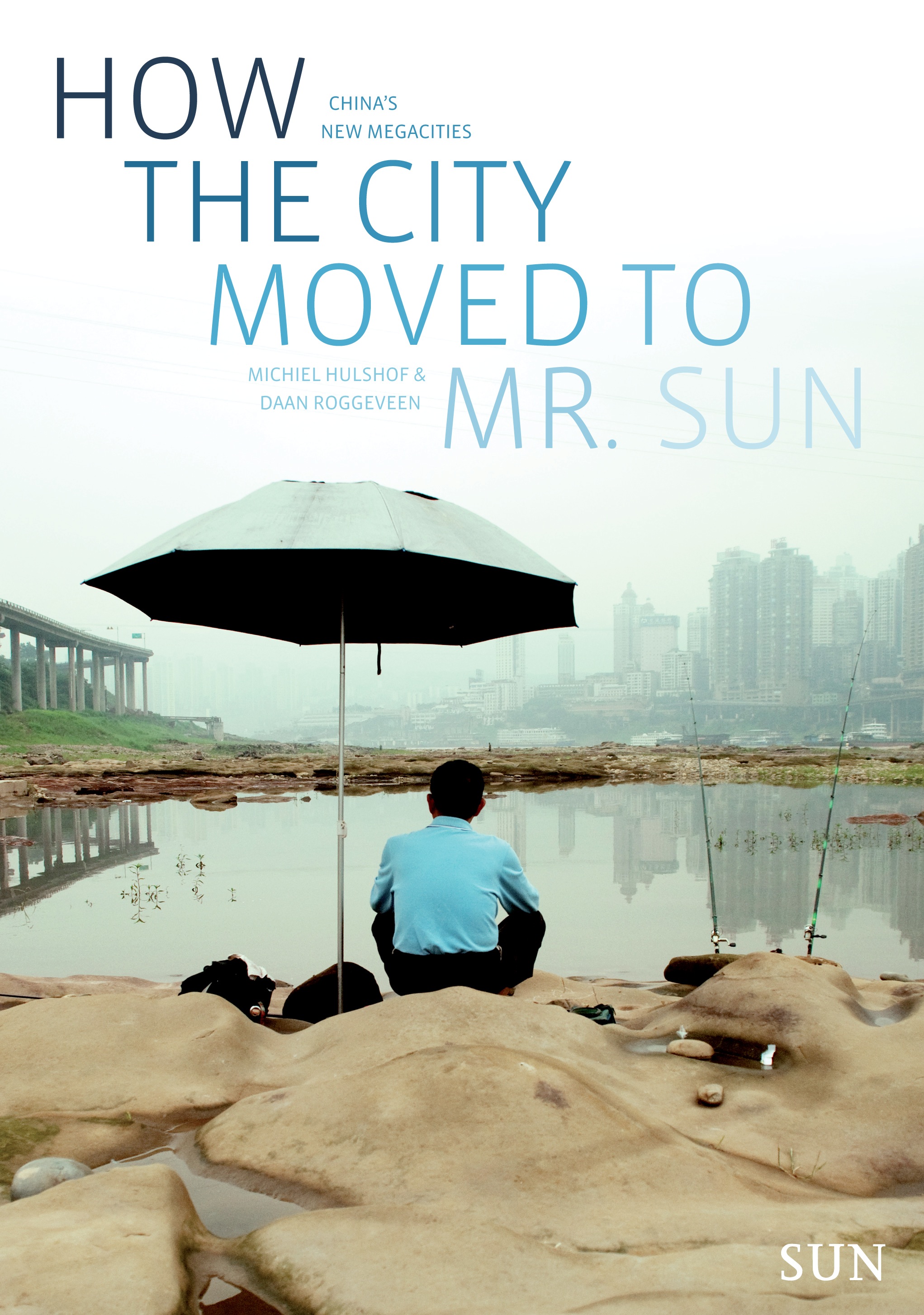
I had the privilege of sitting in on a round-table discussion led by the ‘Go West Project‘ at the Chengdu Biennale this past weekend. Go West Project is an independent think-thank based in Shanghai founded by two Dutch nationals, Michiel Hulshof, a journalist, and Daan Roggeveen, an architect. For the past two years, Hulshof and Roggeveen traveled around the country documenting the phenomenon of urbanization in China’s lesser-known cities (hence the name ‘Go West‘).

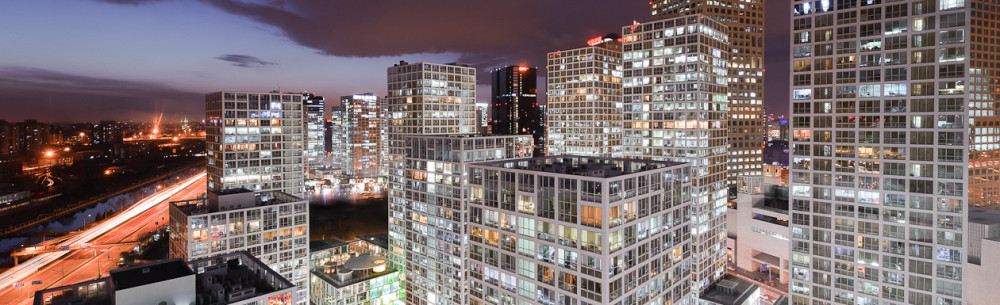
Their research culminated in a recently released book titled How the City Moved to Mr. Sun. The title refers to one of the several personal narratives they encountered in their travels. Mr. Sun, a corn farmer in a village on the outskirts of Shijiazhuang, capital of Hebei Province, saw his land seized by authorities nearly 20 years ago. Like many of the other villagers, he used the compensation money to develop his own 4-storey ‘mixed-use’ building complete with retail space on the ground floor, living space on the 2nd and 3rd floors and a small group of guestrooms for migrant workers on the 4th floor. On the roof, Mr. Sun created an organic garden to continue doing what he knew how to do best.

Inevitably, the pace of urbanization caught up to Mr. Sun once again, and after about a 10 year run of profitability, his self-developed building was razed by bulldozers. He reluctantly gave in and accepted compensation and now lives with his wife in a modern high-rise residential tower block where ‘he doesn’t know any of the neighbors’. Continue reading

Local Debt Adding Fuel to Bearish Outlook on China

Credit rating agency Moody’s recently released a report claiming that Chinese financial auditors have understated local government debt by half a trillion dollars. This is no small estimate, and the thought of so many non-performing loans on bank balance sheets is enough to make any seasoned investor bearish on China.

Of course, the majority of debt is fueled by lending that is going to local provincial and municipal governments and developers to fund new infrastructure and building projects. Banks are making these loans because of direct orders from the top-level of China’s central government. These orders were stepped up significantly after the 2008 world financial crisis to keep the country’s growth engine humming along as the export market fell off a cliff. Continue reading

Smith + Gill Win Competition to Design Greenland Center in Wuhan

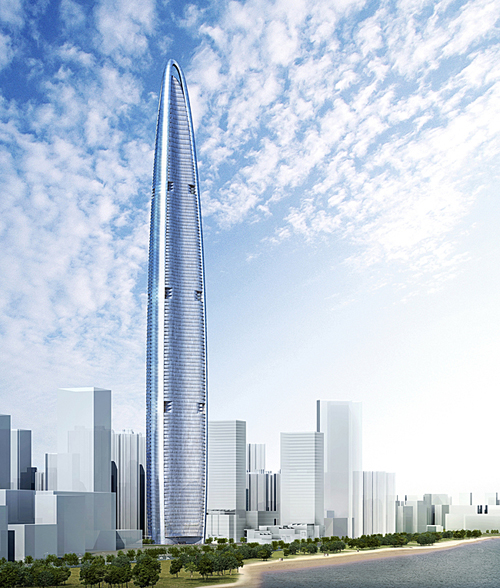
Back in December we mentioned the plans to build a supertall building in Wuhan (Wuhan To Get World’s 3rd Tallest Skyscraper) but had no further information about the design. Now we have confirmation that Chicago-based architecture firm and supertall building experts Adrian Smith + Gordon Gill have won the competition to design the Greenland Center in Wuhan.

According to the press release, the Greenland Center is set to rise to a height of 606 meters (1,998 feet), making it a the third-tallest building in China and the fourth-tallest in the world. The developer, Greenland Group, previously worked with Adrian Smith and Gordon Gill on another supertall tower in China, the Nanjing Greenland Financial Center. Continue reading

Fake European Villages in China

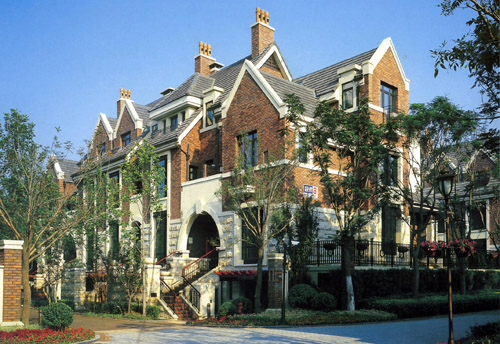
‘British Style’ Villa in China

China is known as the world’s hub for production of fake goods. Counterfeiting everything from electronics to clothing and more sinisterly, drywall and milk powder, is an ongoing problem that needs to be addressed. Fortunately the Chinese government is becoming more active in cracking down on individuals involved in intellectual property theft and the production of harmful goods.

Counterfeiting also happens at the urban scale in China. Recently developers from Guangdong Province have taken to planning an exact replica of the Austrian Alpine village of Hallstatt.

Unlike producing fake consumer goods,  the legality of appropriating architectural styles from overseas is not clearly defined. In the case of Hallstatt there may be some legal grounds against the Chinese developers due to the village’s status as a UNESCO Heritage site. Continue reading