Preservation in Beijing: The Battle for Gulou

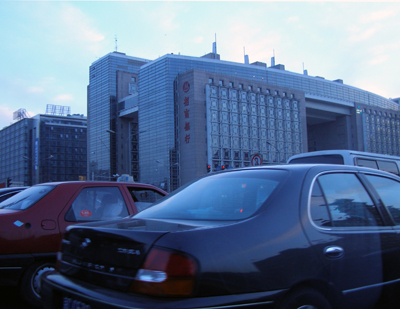
A frequently revisited topic in discussions about China’s development is the widespread loss of historic structures and neighborhoods throughout the country’s fast-changing metropolises. From the Western historical preservation perspective, much of what has taken place over the course of China’s three-decade long modernization is nothing short of an epic tragedy. No other narrative exemplifies this lament more than the destruction of the hutong neighborhoods in central Beijing.

Last July, the New York Times ran a story about this very topic, aptly titled ‘Bulldozers Meet Historic Chinese Neighborhood’. The neighborhood in question is Gulou (meaning ‘drum tower’, which is the neighborhood’s landmark, along with the adjacent Zhonglou, or ‘bell tower’). Located in central Beijing, just north of the Forbidden City, Gulou is one of the last remaining areas comprising hutongs (narrow alleys) lined by the accompanying siheyuan (traditional courtyard homes). Continue reading
Mega-City Semantics in the Pearl River Delta

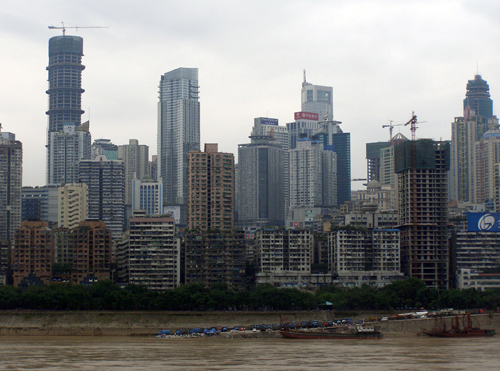
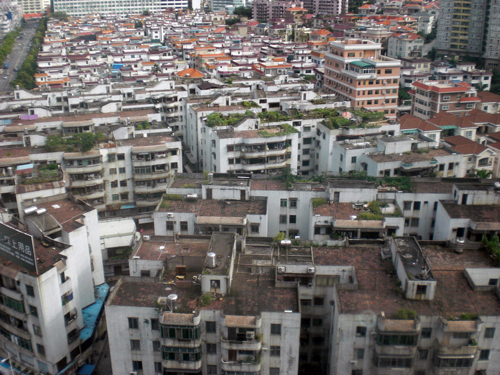
Dongguan Housing. Photo by livinginchina4now.

Several people have called my attention to a recent article from The Telegraph about China ‘creating the largest mega-city in the world with 42 million people‘. The title of the piece is a bit misleading as the government is not planning a new city per se, but rather combining a group of nearby cities into one huge ‘mega-city’. The targeted group of cities make up the Pearl River Delta region in China’s southern Guangdong Province.

Home to China’s famous first tier cities Guangzhou and Shenzhen, the Pearl River Delta is already one of the most populated places on earth. It is the manufacturing powerhouse of the country, thanks in large part to it being the first economically liberalized region after Reform and Opening Up. As a result of this, the Pearl River Delta has absorbed ambitious migrants from all over China for  the better part of three decades. Continue reading

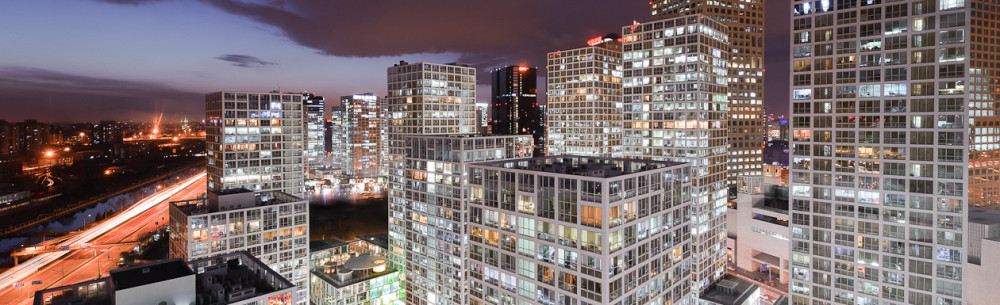
Kashgar: New SEZ in Xinjiang

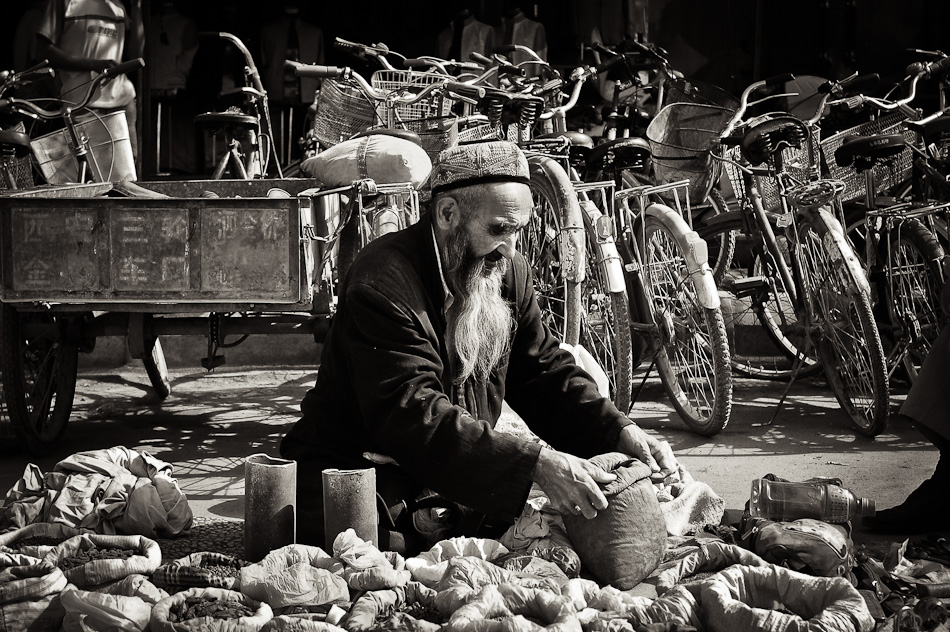
Photo courtesy of Nicolas Marino

One rising city to be on the look out for in the next decade of China development is little-known Kashgar in the country’s western Xinjiang Autonomous Region. At just under a half a million people, Kashgar (in Chinese known as ‘ka shi’) sits at the far western part of China near the borders of Kazakhstan, Kyrgyzstan, Tajikistan, Afghanistan and Pakistan, making it a strategic gateway to Central Asia.

As a matter of fact, Kashgar has more in common culturally with its post-Soviet neighbors to the west than is does with what is historically thought of as China. Once an important outpost on the Northern Silk Road, today the city is dominated by the Uyghurs, a Muslim ethnic minority of Turkic origin.

This might not be the case for much longer. Continue reading

Beijing Roads Headed Toward Maximum Capacity

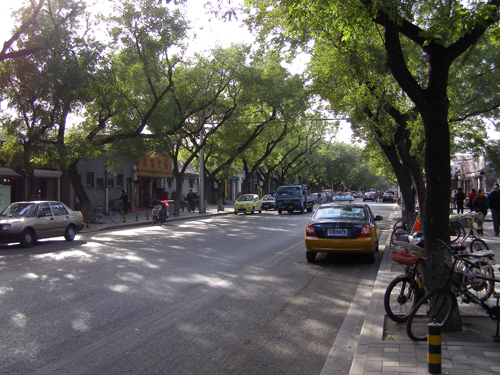
2,000 New Cars Hit Beijing Streets Everyday

As the government and cultural center of the country, Beijing is a worthy capital of a rising China. The city’s infectious aspirations have led it to become a prime destination for ambitious Chinese from all parts of the country (and foreigners from all parts of the world). Unfortunately, this has not been without consequences to the city’s transportation network.

The massive growth of Beijing has put undue strain on the city’s roads. And though there has been a proliferation of new roads built in and around the city, the construction has not kept pace with the amount of new car owners. Continue reading

Defining Western Bias

Architecture critic Guy Horton has an excellent essay on ArchDaily about redefining the way we judge and evaluate Chinese urban development.

China’s unique history and special set of circumstances at this time means that Western methods of analyzing urban issues are not sufficient for understanding the entire scope of Chinese development. Horton summarizes his point in the conclusion: Continue reading