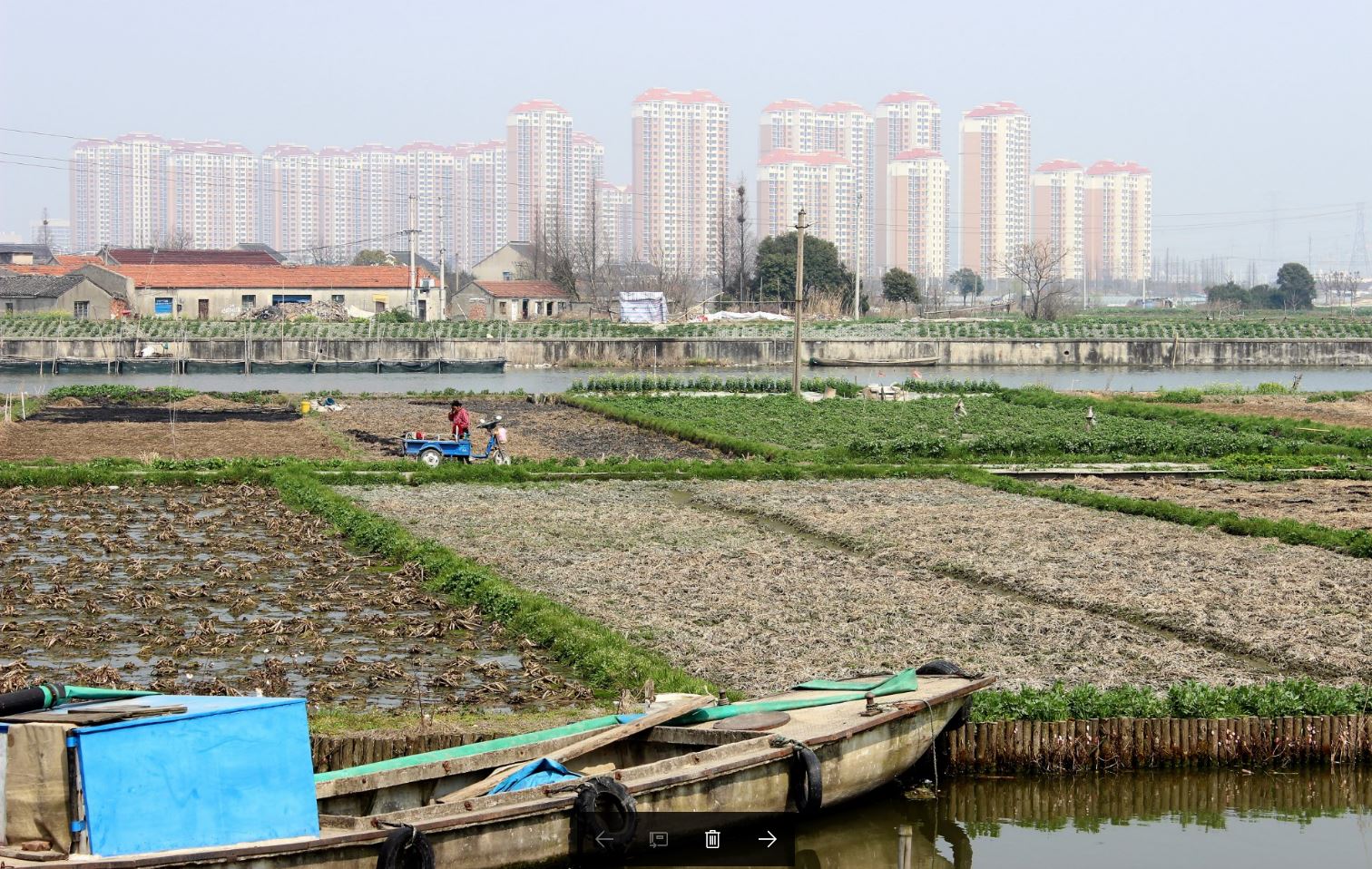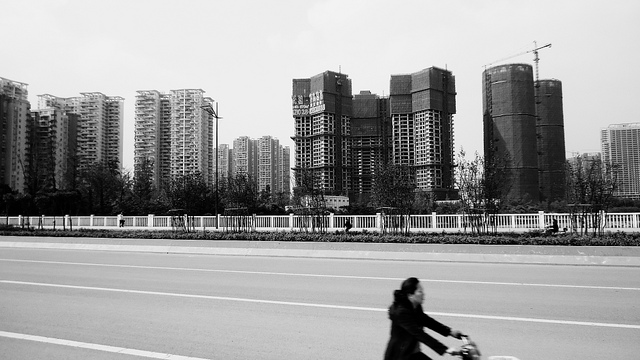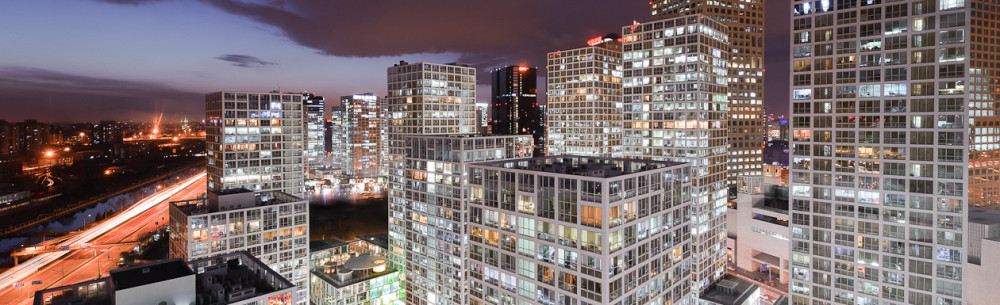
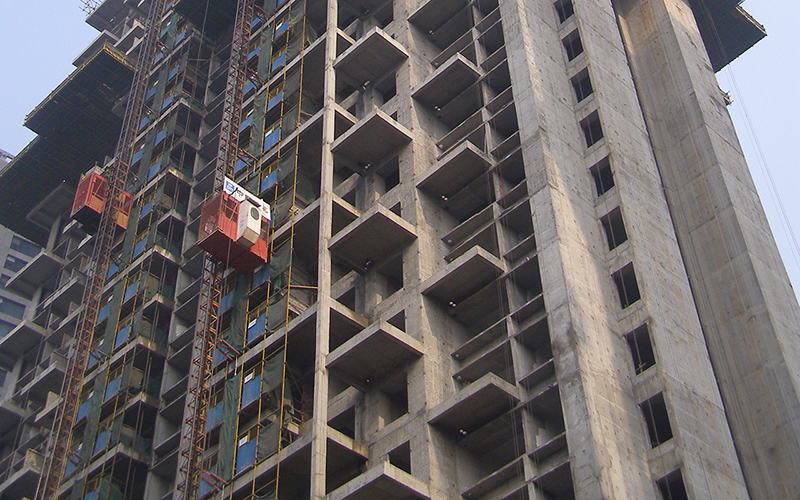
The New York Times has published yet another article about China’s real estate market and the proliferation of empty apartment buildings. This time the focus is on Jurong, a suburb of Nanjing in Jiangsu Province where a new 22-building residential complex called “Center Park” sits mostly empty. The NYT posits that what is happening in Jurong and other cities across China is cause for concern- enough so to even consider that a housing correction in China could bring down the global economy. Even though I don’t think the article gives a full picture, it is worth a read: Empty Homes and Protests: China’s Property Market Strains the World
To be sure, the glut of empty apartment buildings across China is cause for concern but what is missed in the coverage of this phenomenon is the reason why there seem to be so many empty buildings. It all has to do with government policy and the singular focus on economic growth. At some level, government leaders in China at both the national and local levels understand that the building boom will not last forever and that abundant labor to construct buildings and infrastructure will not always be so easy to come by.
On top of the concerns about future labor shortages, the Chinese government has a policy of discouraging land banking/land speculation by property developers. This makes sense given that China’s cities are rapidly urbanizing. To prevent land speculation, the Chinese government has a policy whereby property developers who successfully bid on a piece of land have a limited window, usually 2-3 years or so, on which they can build. Without developing property, these developers may lose the rights to the land.
What this oftentimes leads to is buildings sprouting up where there necessarily isn’t as high of a demand (at the moment). Sometimes these developments are on the outskirts of town with plans for future transit connections to job centers. Even in the NYT article, one of the homeowners in the Center Park development in Jurong is hopeful about a new subway line that will connect it to the megacity of Nanjing in less than 5 years.
And what about developments that remain largely empty and don’t see any sign of being populated anytime soon? Well, buildings, even empty ones, have valuable construction materials that can be salvaged and reused in more productive building types in the future. Empty buildings can also serve as a type of subterfuge to get around China’s policy against land banking.
Does this make any sense? Probably not to observers from the United States and other Western countries with more mature property markets. Is China headed for a total real estate collapse and will it bring down the entire global economy with it? I do think there will be some sort of correction for sure, but I don’t expect it to be catastrophic.
In the end if (when) there is a real estate correction in China, winners and losers will be determined by location, location, location. Properties close to city centers and job centers in 1st and 2nd tier cities will hold their value whereas those further on the outskirts and in 3rd and 4th tier cities may lose significant value.
Individual buyers invested in units in these buildings may lose their shirts, but the Chinese government can always step in with some sort of assistance program to ensure that upset home buyers who see their home values drop don’t threaten social stability.
It helps to view China’s urban development and property market with a long lens. Western publications like the New York Times have been predicting a real estate market meltdown in China for well over a decade now but have consistently failed to examine why the current condition exists and all the different ways in which the country could potentially manage a correction, as insurmountable as that may seem.