Developers Draw Shanghai Residents Back to the Waterside

agence_ter_shanghai_berge_est_pudong42

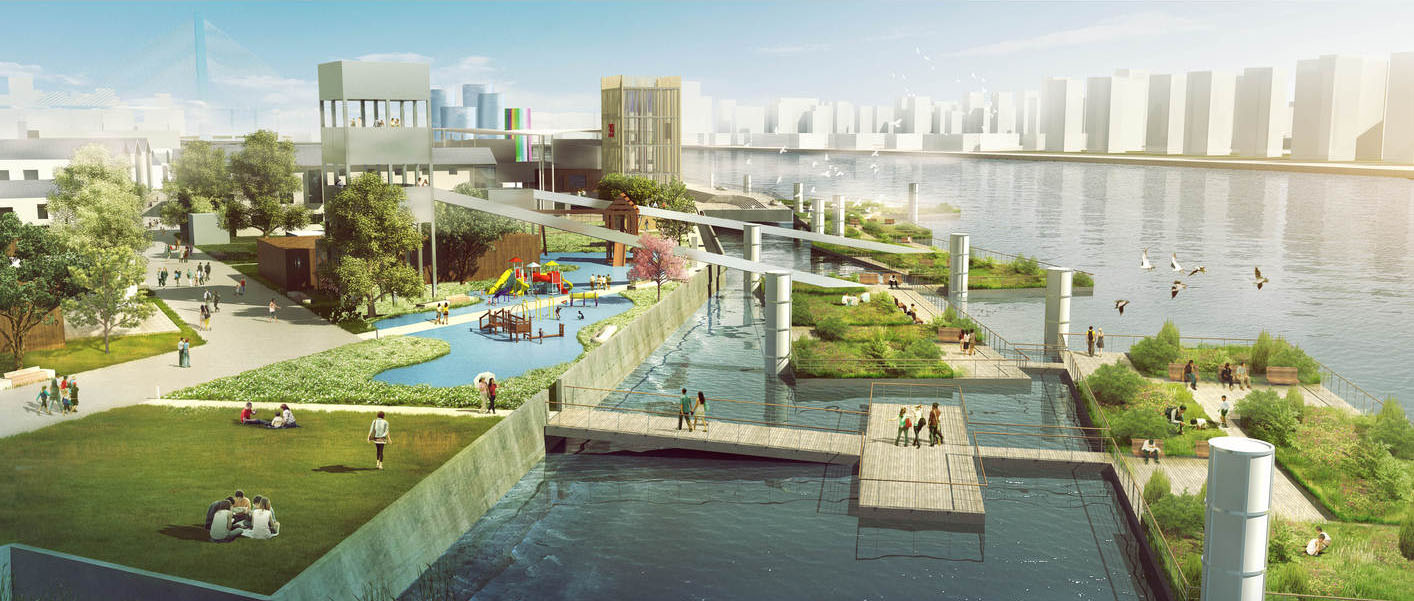
East Bund Waterfront Competition Proposal, Design by Agence Ter

This article by Harry den Hartog originally appeared at Sixth Tone.

Shanghai used to be a city crisscrossed by waterways, and dozens of street names still pay homage to the canals and creeks that run through its urban sprawl. Lying in the swampy Yangtze River Delta, this former fishing village witnessed an industrial boom following the establishment of its treaty port after the Opium Wars.

Though the city’s name literally translates as “on the sea,” these days the Yangtze’s immense forces of sedimentation have pushed the coastline well out of town. In addition, large-scale land reclamation projects since the 1950s have made great tracts of marshland suitable for human habitation, though with negative side effects for ecology and flood protection. Continue reading
An Architect’s Guide to Working in China

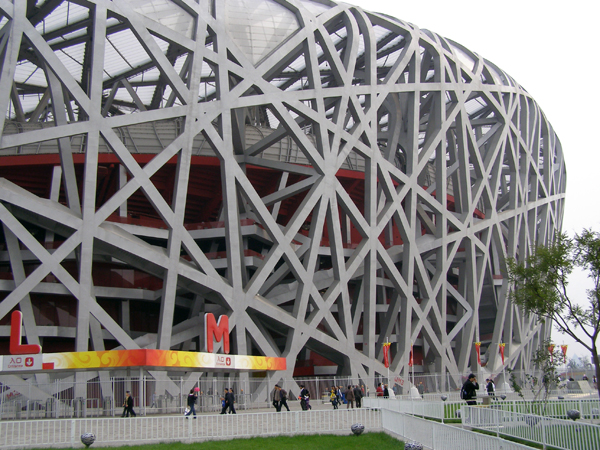
A few months ago I read a piece from Bloomberg discussing Frank Gehry’s decision to ‘turn to Asia for architecture projects as U.S. growth slows.’ In terms of big name architects from the U.S. and Europe turning to Asia for work, Gehry is late to the party. Nevertheless, it is a very telling sign that Gehry, someone who in the past could be highly selective of his clients, is looking to Asia to keep his office busy.

In the Bloomberg article, Gehry is candid about his desire to work domestically in the U.S. yet lacking the opportunity due to the depressed economic situation. As if another reminder is needed about the sorry state of the industry, Salon published a piece about the dire outlook for the profession last month titled ‘The Architecture Meltdown‘.

So aside from returning to graduate school, designing furniture or leaving the profession completely, most architects in the U.S. and other Western nations have limited options, therefore turning to emerging markets where there is work happening. China is by far the largest of these emerging markets for new buildings. Continue reading

Guangzhou’s New Central Business District: Zhujiang New Town

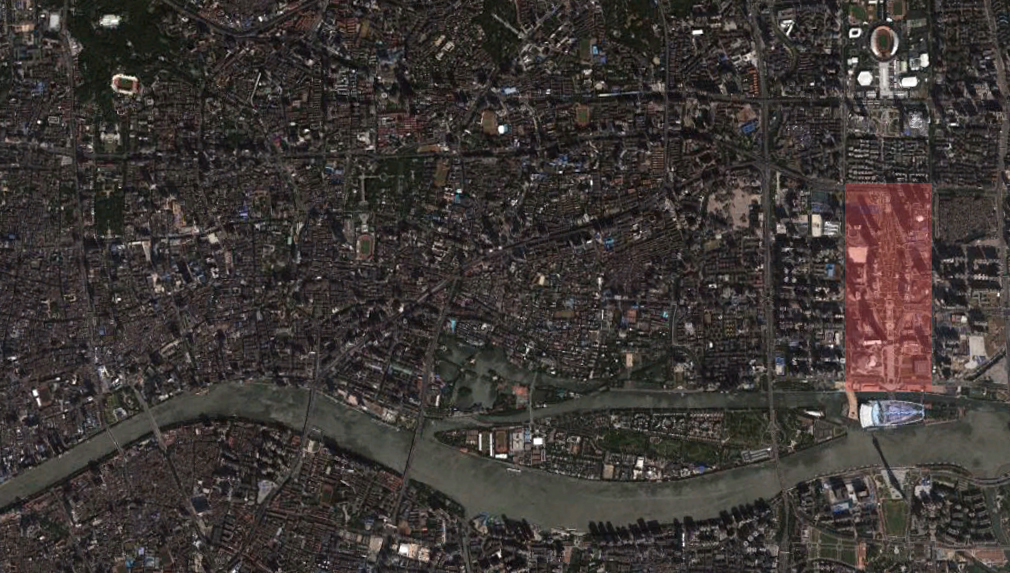
Guangzhou’s New CBD (highlighted in red) sits north of the Pearl River and east of the Old City in what not long ago was agricultural land

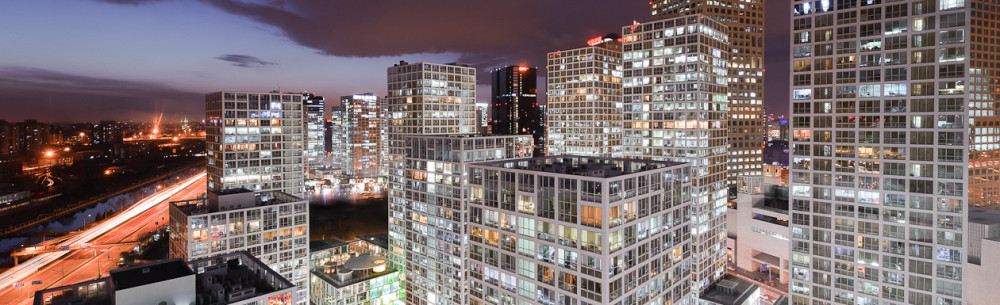
Recently I visited Zhujiang New Town, Guangzhou’s newly built central business district (CBD). While Guangzhou itself is hardly a new city (its status as an international trading port goes back centuries), the CBD is brand new, built on what used to be agricultural land well outside of the historic city core. Though thanks to the city’s expanding underground metro and freeway system, Zhujiang New Town doesn’t seem so far away.

Currently Zhujiang New Town is best known as the site for the Guangzhou Opera House and many of the athletic venues for the 2010 Asian Games. One unique aspect about Guangzhou’s CBD compared with others around China is its marriage of cultural buildings with commercial office towers. In this regard, Zhujiang New Town is not much different from the planned ‘downtowns’ of sprawling 20th Century American cities like Los Angeles, Phoenix and Houston. Continue reading

Chengdu Enhances Urban Environment With Recreational Paths

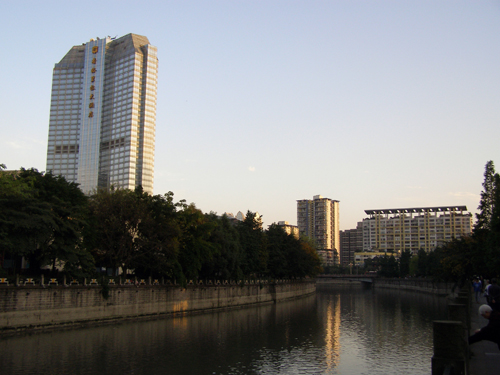
It seems that too often talk about China development focuses on ‘hard’ infrastructure projects including roads, bridges, power stations, rail systems, etc.  Yet what is often overlooked in discussions about China’s infrastructure are projects designed to enhance quality of life for city dwellers. I recently discovered one of these new projects in the city where I live, Chengdu. Continue reading

Land Reclamation and the Future of Hong Kong

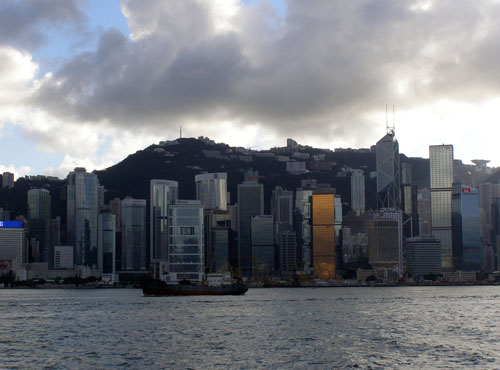
Land reclamation is a controversial approach to urban planning wherever water-bound cities are land-strapped for new development. In the U.S., a place like San Francisco is a prime example of a city where much of the adjacent waterfront was ‘reclaimed’ from the bay and land-filled to make room for new buildings.

In Asia, Hong Kong practices land reclamation to accommodate large structures such as its convention center and Chep Lap Kok Airport. A piece from Metropolis magazine takes a closer look at reclamation and urban renewal in Hong Kong and how it is impacting its most prized asset: Victoria Harbor.

Metropolis: From Reclamation to Renewal