9/11, China and the Enduring Symbolic Power of the Skyscraper

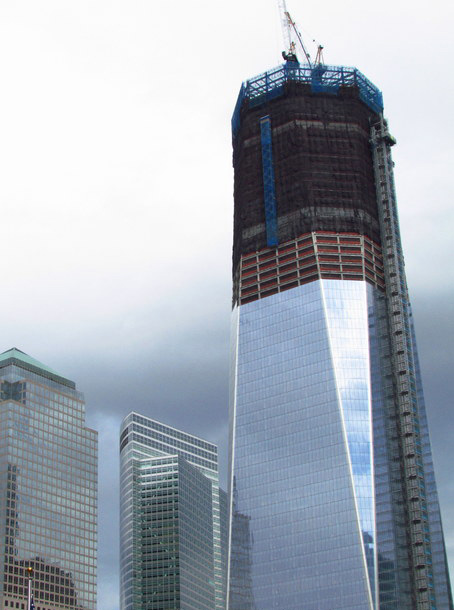
1 World Trade Center Rising in Lower Manhattan
Now that it has been about a month since the 10 year anniversary of the 9/11 attacks in the U.S., I have had some time to reflect on the enduring significance of the skyscraper. With One World Trade Center finally starting to form a new image in the Manhattan skyline, we see that in spite of protestations to building such a tower on sacred ground, construction crews move ahead to realize what will perhaps be the city’s most ambitious project in years. Some question why it has taken so long to get to this point while others still see the entire rebuilding effort as an affront to the memory of tragedy. Continue reading

China and the Legacy of Steve Jobs

Fake ‘Apple Store’ in Kunming

It is not hard to understate the influence that Apple has had on China. If we examine the role the country plays in the supply-chain of Apple products, then China’s relationship with the company is undeniable. It is safe to say that without China’s contribution to the manufacturing and assembly process, Apple’s stylish products would be unaffordable to the average consumer around the globe.

That’s why last year when a string of suicides hit Foxconn, the company that manufactures products such as the iPad and iPhone, Steve Jobs was quick to announce that Apple would look into the working conditions. Jobs, a marketing genius, knew that negative PR associated with Foxconn would hurt Apple’s sleek and stylish image in the U.S.

What commentators in the U.S. failed to notice is the relative ambivalence of people in China regarding the Foxconn suicides. When I asked my Chinese colleagues what effect the incident had on their perception of Apple, they responded that there was absolutely none. Not only that, they defended Foxconn by saying that the rate of suicides among workers (there are tens of thousands of them) is not abnormal for society at large. Continue reading

Go West Project at the Chengdu Biennale

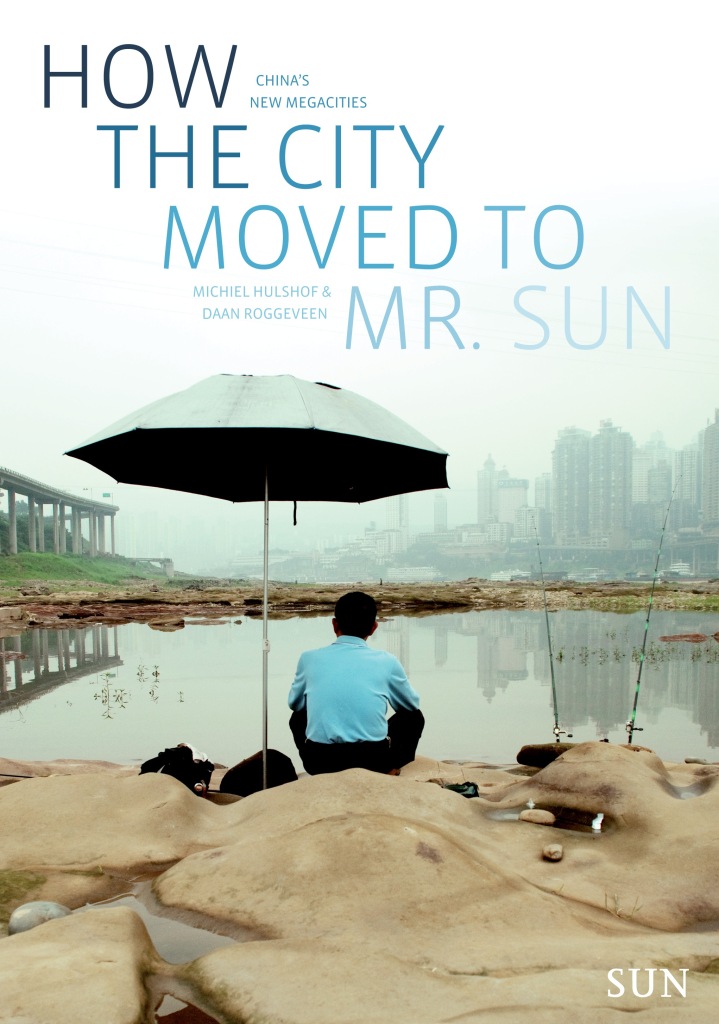
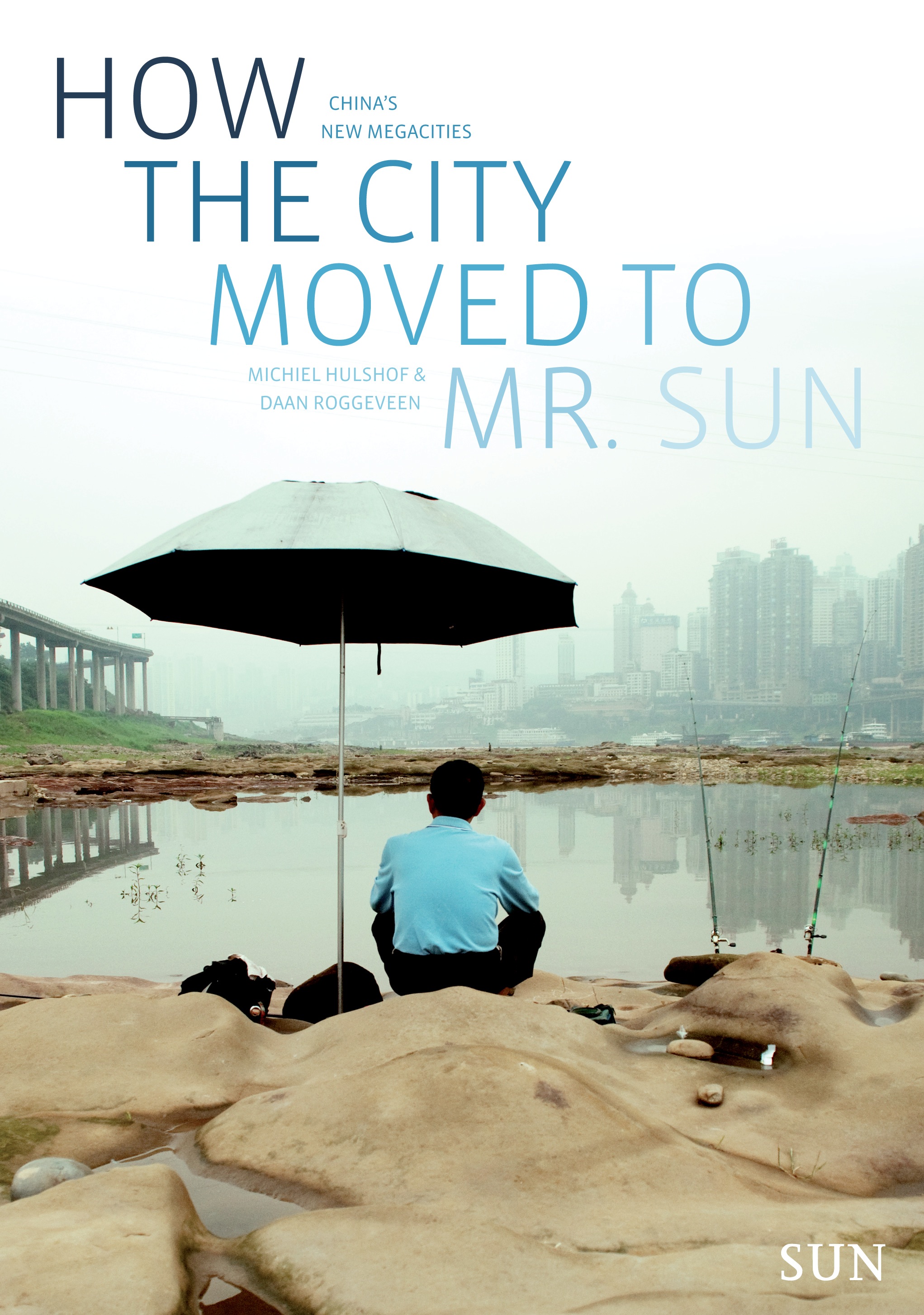
I had the privilege of sitting in on a round-table discussion led by the ‘Go West Project‘ at the Chengdu Biennale this past weekend. Go West Project is an independent think-thank based in Shanghai founded by two Dutch nationals, Michiel Hulshof, a journalist, and Daan Roggeveen, an architect. For the past two years, Hulshof and Roggeveen traveled around the country documenting the phenomenon of urbanization in China’s lesser-known cities (hence the name ‘Go West‘).

Their research culminated in a recently released book titled How the City Moved to Mr. Sun. The title refers to one of the several personal narratives they encountered in their travels. Mr. Sun, a corn farmer in a village on the outskirts of Shijiazhuang, capital of Hebei Province, saw his land seized by authorities nearly 20 years ago. Like many of the other villagers, he used the compensation money to develop his own 4-storey ‘mixed-use’ building complete with retail space on the ground floor, living space on the 2nd and 3rd floors and a small group of guestrooms for migrant workers on the 4th floor. On the roof, Mr. Sun created an organic garden to continue doing what he knew how to do best.

Inevitably, the pace of urbanization caught up to Mr. Sun once again, and after about a 10 year run of profitability, his self-developed building was razed by bulldozers. He reluctantly gave in and accepted compensation and now lives with his wife in a modern high-rise residential tower block where ‘he doesn’t know any of the neighbors’. Continue reading

The Guangzhou Opera House: An Architectural Review

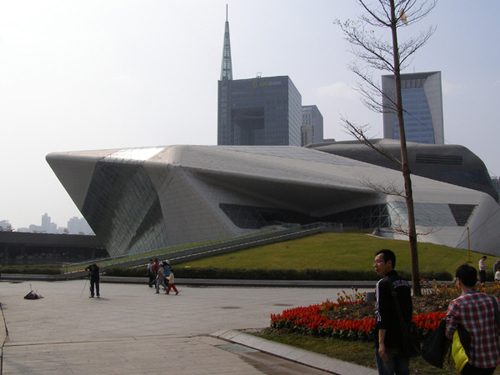
Image

A few months ago I visited the recently opened Guangzhou Opera House, designed by renowned British-Iraqi architect Zaha Hadid. The project represents a new era in cultural development for Guangzhou and China. Drawing inspiration from the adjacent Pearl River, the project is conceived as  ‘pebbles in a stream smoothed by erosion’.

Guangzhou (0nce known as Canton) is one of China’s great cities, with a long history and unique culture. Sitting in the Pearl River Delta, the city was once China’s gateway to the world, serving as the country’s primary hub of international trade. Today Guangzhou remains an important city as it is the capital of prosperous Guangdong Province.

Yet as China has developed in recent years, Guangzhou has ceded some of its historic luster. No longer is Guangzhou China’s gateway to the world as nearby Hong Kong has taken that title. The special economic zone of Shenzhen, also nearby, dominates international headlines with its rapid development and status as China’s symbol modern prosperity.

Yet what Shenzhen and Hong Kong lack in culture, Guangzhou makes up for with its proud sense of the past. The opera house is an attempt to regain some of its cultural dominance in southern China. Continue reading

Chengdu Enhances Urban Environment With Recreational Paths

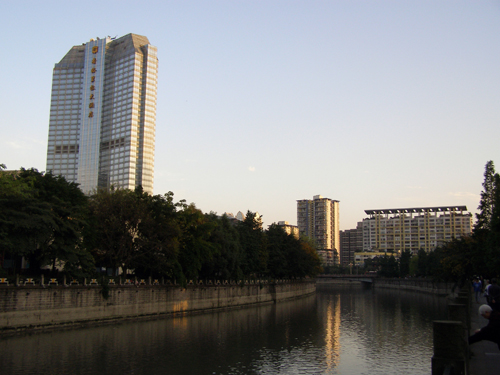
It seems that too often talk about China development focuses on ‘hard’ infrastructure projects including roads, bridges, power stations, rail systems, etc.  Yet what is often overlooked in discussions about China’s infrastructure are projects designed to enhance quality of life for city dwellers. I recently discovered one of these new projects in the city where I live, Chengdu. Continue reading