Developers Draw Shanghai Residents Back to the Waterside

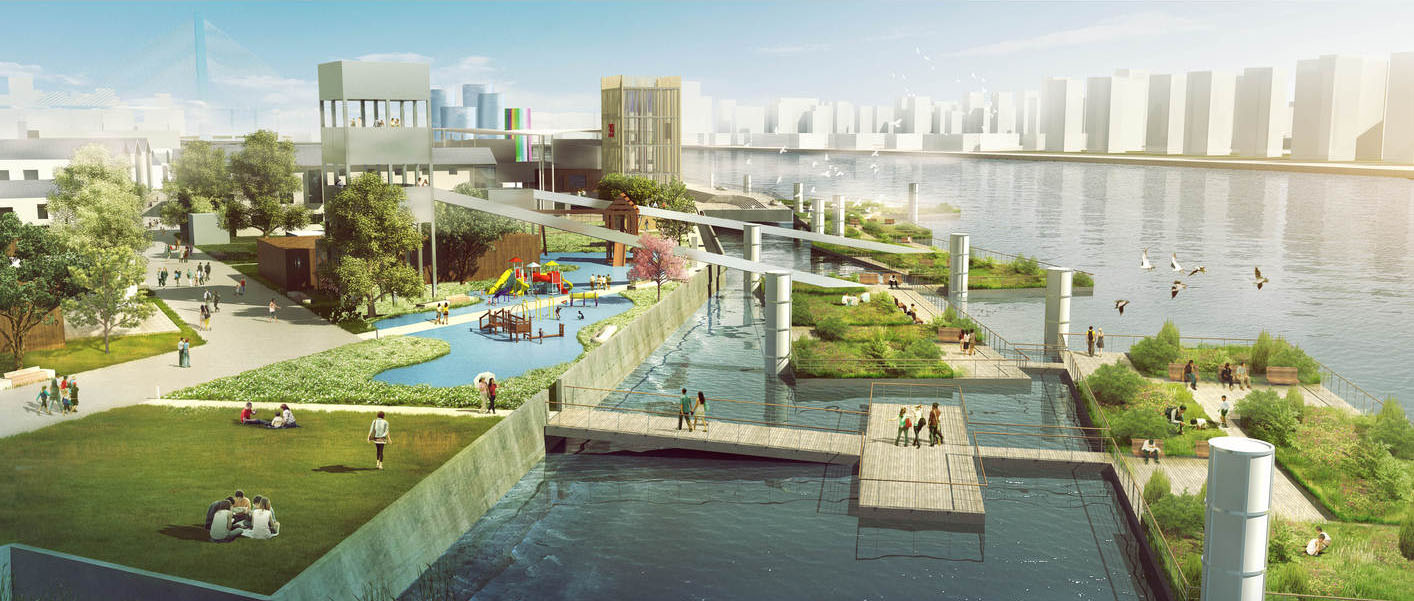
agence_ter_shanghai_berge_est_pudong42

East Bund Waterfront Competition Proposal, Design by Agence Ter

This article by Harry den Hartog originally appeared at Sixth Tone.

Shanghai used to be a city crisscrossed by waterways, and dozens of street names still pay homage to the canals and creeks that run through its urban sprawl. Lying in the swampy Yangtze River Delta, this former fishing village witnessed an industrial boom following the establishment of its treaty port after the Opium Wars.

Though the city’s name literally translates as “on the sea,” these days the Yangtze’s immense forces of sedimentation have pushed the coastline well out of town. In addition, large-scale land reclamation projects since the 1950s have made great tracts of marshland suitable for human habitation, though with negative side effects for ecology and flood protection. Continue reading
TRT World Interview: CUD Blog’s Ziyou Tian on Hong Kong’s Housing Crisis

China Urban Development readers: I’m very pleased to share with you a recent TV news interview with our very own Ziyou Tian on the state of housing in Hong Kong. In this segment she offers a fresh take on how to tackle the housing shortage and addresses some of the underlying issues that cause income inequality in the city. Please take look below:

Why China’s Cities Must Maintain Ties With the Countryside

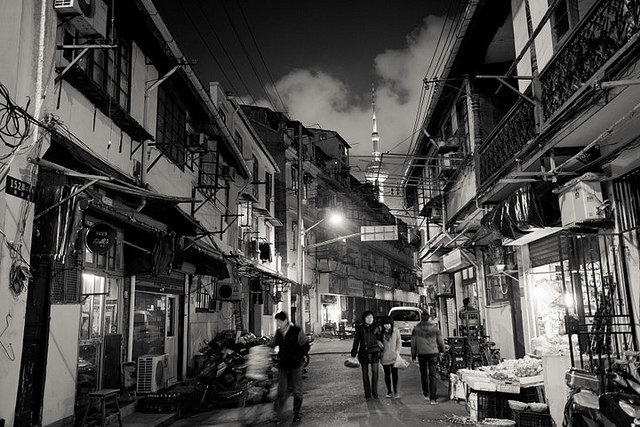
Shanghai Street

Shanghai Street. Photo by Henry Nee

This article by Harry den Hartog originally appeared at Sixth Tone.

One of the first things that struck me when I came to Shanghai was the wide variety of lifestyles on every corner. Farmers just off the train from the countryside sat on sacks of rice beside elegant office ladies chatting away on cell phones. It reminded me of New York City: a melting pot where people from every section of society are thrown together each day. Continue reading

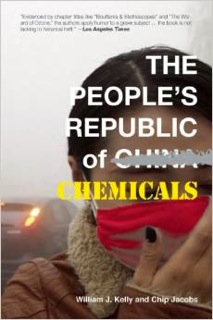
Q&A With Author of “The People’s Republic of Chemicals”

PRC cover

Nothing threatens the stability of China’s economic miracle more than the hazardous levels of pollution generated by rapid development. The rise of the private automobile, unregulated toxic factories, and the widespread use of coal-burning as an energy source have all contributed to environmental degradation across China’s cities. While in the past, these issues were swept under the rug in favor of economic growth at all costs, the rise in living standards means that China’s leadership can no longer ignore the concerns of the people they serve.

China is now at a crucial turning point where economic goals must be balanced with considerations for the environment going forward. This is not an easy problem to tackle and the solution will require a global effort.

The new book The People’s Republic of Chemicals serves as an excellent starting point in understanding how China’s pollution problem got so out of hand in the first place and what can be done to stop it (or at least slow it down). The book’s co-authors, William Kelly and Chip Jacobs, are appropriate storytellers having together written the 2008 book Smogtown about the rise and fall of pollution in mid-century Los Angeles.

William took the time to answer some questions for us about their new book:

Continue reading

5 Questions for Shaun Rein, Author of “The End of Copycat China”

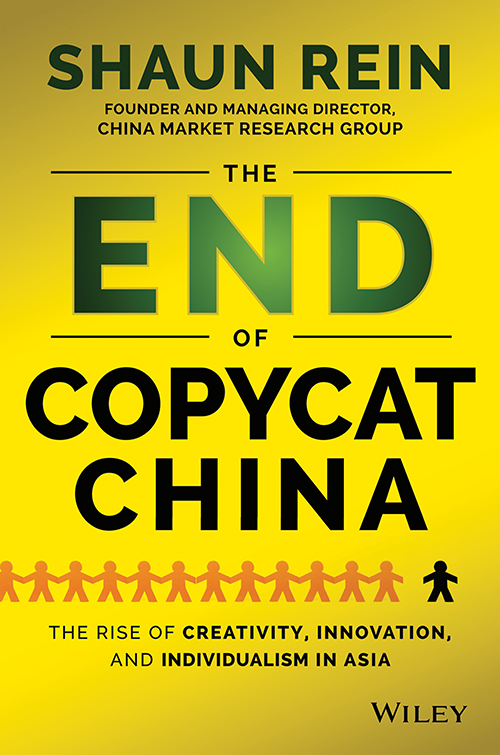
EndofCopycat China

More can happen in two years in a developing country like China than can happen in a decade or more in developed countries. And given this high speed of change, the information in business books about China’s economy can go out of date really fast.

That is why it is not surprising that although it has only been a little over two years since China analyst Shaun Rein released his first book, The End of Cheap China, he is back with another one. In that time span, China got a new leader in Xi Jinping, the one-child policy was significantly reformed, and Alibaba, the country’s biggest internet company, went public on the New York Stock Exchange.

The End of Copycat China is a natural follow up to End of Cheap China (which we featured a review of on this blog not long ago) and looks to build upon the research he’s been doing for the past decade on the ground in China.

I recently had a chance to chat with Rein about his new book and ask some questions about what he’s seen change in the past two years and, more importantly, the trends he sees influencing China’s development in the near future. Continue reading