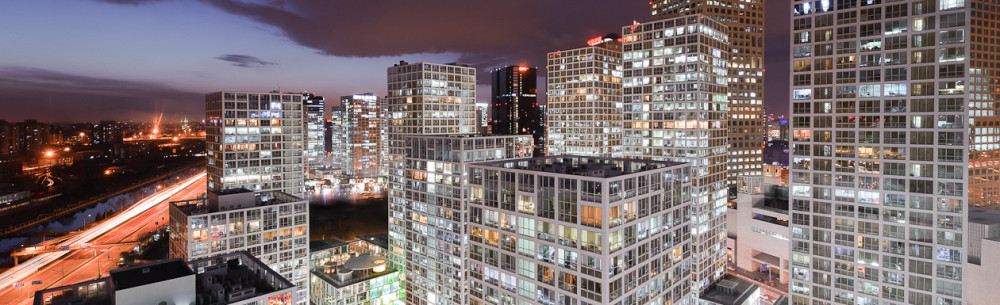
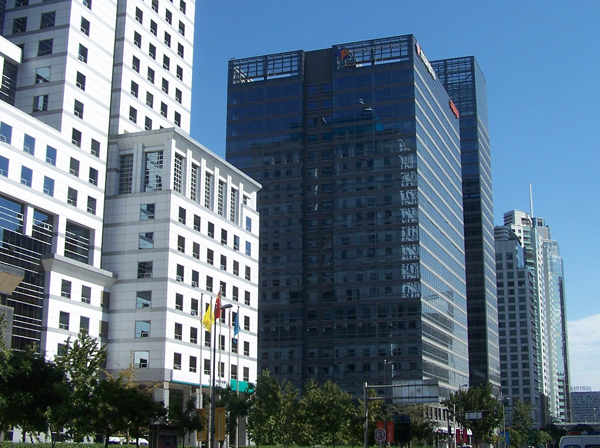
Building a Greener Capital

Prosper Center, Beijing’s First LEED Gold Certified Building

The following is a guest post by Daniel Garst, a Beijing-based American writer. This article originally appeared in the March 24, 2011 China Daily Metro edition.

Nothing concentrates the mind of economic planners quite like political instability in key overseas energy suppliers.  China’s new Five Year Plan therefore not only mandates further reductions in the energy used in generating economic output, but also sets, for the first time, overall consumption goals.

Making buildings here more energy efficient will be one key element in achieving these goals.  A January 7, 2011 National Geographic News story states that the building sector absorbs 30% of China’s energy, a threefold increase since 1980. Continue reading
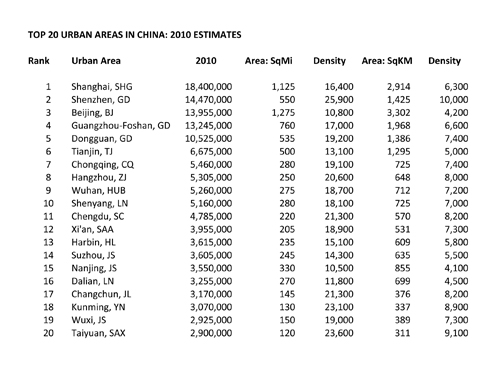
A Guide to China’s Rising Urban Areas

Source: Demographia World Urban Areas: Population & Projections: 6th Edition. http://demographia.com/db-worldua.pdf
 

I have a new piece up at NewGeography about China’s rising urban areas. Below is an excerpt from the introduction:

From a Rural to Urban Dispersion in the Middle Kingdom

China’s rise to economic prominence over the past 30 years has rested in large part to its rapid   urbanization. Prior to ‘reform and opening up’ that started in earnest during the 1970s, cities in China were viewed as pariahs by the party leadership. Millions of young urban dwellers were forced into the countryside to labor on farming communes during the Cultural Revolution. In stark contrast, today millions of rural migrants make their way to the city.

The scale at which this is happening is unprecedented. Currently, there are 85 metropolitan areas in China with more than 1 million people, compared to 51 in the US. By 2015, urban regions will account for half of China’s population and by 2025, the urban population’s share should reach about 75%. Continue reading